
Our selection of new architecture books and the freshest titles offers something for everyone - from explorations of materials and unbuilt architecture to architecture monographs and current trends. Modernist classics rub shoulders with contemporary marvels in this compilation that will keep you busy and interested.
The finest new architecture books to read
Stages

Stages is David Kohn Architects' first book. Like Kohn’s approach to architecture, it is anything but straightforward, subversively pitched in a way that honours the history and tradition of the architectural monograph while also coming up with something entirely original. Edited by the writer and curator Moritz Küng, Stages is formed from 12 individual books, assembled together via ring binding and presented in a slip case.

Each individual ‘book’ takes on a different format and focuses on a different project or approach. They comprise An Architect's Book, Fables & Figures, White Wide Walls, The Hedgehog And The Fox, Collaboration Objects, Scenographies, Rural Codes, Only A Wall, Contemporary College, November 2024, Jujitsu Urbanism, and Other Room, mixing drawings, details, reportage and project photography, as well as musings on process, place and architectural history.
Tom Kundig: Complete Houses

Peeking out from between sandbanks on a beach in New Zealand, incorporating a granite outcrop in the Stockholm Archipelago, or offering panoramic views of the Pacific in Malibu – homes by Tom Kundig tend to be memorable, and hundreds of them are showcased in a new monograph published by Monacelli, an imprint of Phaidon: Tom Kundig: Complete Houses.

Kundig, a principal/owner and founder of Seattle-based practice Olson Kundig, has spent some 40 years perfecting the art of creating the ideal home, starting with a series of cosy cabins in the US before building on six continents. He’s received some of the world’s highest design honours, and features in our very own Wallpaper* 400 as one of the key talents shaping creative America.
Brutalist Berlin

Our bookshelves are buckling under the sheer weight of concrete volumes, but Blue Crow Media’s latest treatise on the topic is at least lightweight – in form if not in subject. Brutalist Berlin is a love letter to German concrete, an exploration of fifty key structures that also tell the tale of the capital’s tumultuous twentieth century.

As the original city of rain-streaked romance and all forms of subversion, Berlin is struck through with sentimental, overpowering architectural gloom. Its plethora of post-war Brutalism either helps or hinders this image, depending on your stance on this most divisive of all building materials. Naturally, author, photographer and architectural historian Felix Torkar is on the side of the aggregate angels.
Brutalist Interiors

We have been described as fans of brutalist architecture, so when new book Brutalist Interiors landed on our desk, it was cause for excitement. The tome offers a deep dive into the powerful, fascinating and often controversial movement's spaces – bringing to the fore a rich and international selection of important architecture, and luxurious, swoon-worthy photography.

Created for independent publisher Blue Crow Media and edited by Derek Lamberton, the title presents a global survey spanning more than 100 interiors in 30 countries. We caught up with the editor to find out more.
Assemble: Building Collective

In new book Assemble: Building Collective (Thames & Hudson), architecture critic Aaron Betsky offers readers a compelling retrospective of the past 15 years of the Turner Prize-winning multidisciplinary architecture collective.

Known for its deeply collaborative and community-driven approach, Assemble’s journey is detailed over seven chapters, illustrated with engaging photography, creative architectural drawings, and the collective’s own voices.
Frei Otto: Building with Nature

It’s a century since the birth of Frei Otto (1925-2015), the German structural engineer and architect and one of the pioneers of the new, lightweight style of highly technical architecture that was to dominate public buildings, event spaces, spans and stadiums from the 1970s onwards. Frei Otto: Building with Nature looks back at Otto’s life and career, with special emphasis on the designer’s exploration of large-scale, lightweight structures.

These days, Otto’s legacy is pretty much cemented by the dramatic landscape of the Munich Olympic Park, started in 1968 and completed for the 1972 Games. The tented structures, some of which ring the tiered seating of the Olympiastadion, co-designed with Günther Behnisch, were inspired by Alpine vistas.
Ukrainian Modernism

In recent years, the architectural excavation of former Soviet satellites (and their Soviet brutalist architecture) has become something of a mini-industry. Within this context comes a new monograph from Fuel. Ukrainian Modernism is a bittersweet pill indeed, freighted as it is by the ongoing offensive war being waged by Russia against the sovereign state of Ukraine.

With photographs and texts by Dmytro Soloviov, an architectural tour guide, the book is an essential survey of an overlooked legacy that is very much under threat.
Casa Mexicana

Residential design and Mexican architecture make for an exciting combination, so when Casa Mexicana, a new book from Thames & Hudson, landed on our desk, we were thrilled. Not only that, but the publication features the striking imagery of architectural photographer and regular Wallpaper* contributor Edmund Sumner, and has been penned by Wallpaper* editor Jonathan Bell, making this a must-read for genre enthusiasts around the world.

The captivatingly designed tome offers a lush exploration of some of the best houses in Mexico, blending retreats and primary homes, urban and rural. Striking forms present contemporary twists to the local vernacular, while modern interpretations of brutalist architecture and minimalist getaways will entice even the most demanding reader.
Modernist Travel Guide

Ready for architectural exploration but spoiled for choice? The Modernist Travel Guide is here to help guide you out of the conundrum of what to visit and where. Even if you know your Le Corbusier from your Frank Lloyd Wright and Alvar Aalto, and your art deco architecture from your 21st-century brutalism, this new publication from Sight Unseen, written by regular Wallpaper* contributor Adam Štěch, is the perfect companion for avid travellers and fans of modernist architecture.

A feast of buildings and colour, the pocket-sized reference book lists almost 400 examples of modernist architecture across 30 cities around the world. It is not only a handy guidebook for exploring the world, but also a striking archive of some 150,000 photographs, and more than 10,000 buildings and interiors. Layer on top some fresh book artwork in modernist primary colours, and you've got a vibrant publication to delve into and enjoy.
The all-time classics for your bookshelf
The Atlas of Mid-Century Modern Masterpieces

We’re living in an age where 'Brutalism' is no longer a pejorative and brutalist architecture thrives, and even the most obscure piece of 1960s-era concrete design can become a social media sensation. With all that said, there’s still a dearth of decent information about fine, but overlooked modernist architecture of the period.

Dominic Bradbury’s new monograph, Atlas of Mid-Century Modern Masterpieces, hopes to redress the balance, combining the trademark Phaidon aesthetic excellence with an insight into how the new architecture embodied not just optimism and change, but also the monolithic power of governments and corporations alike.
American Modern: Architecture, Community, Columbus, Indiana

American Modern: Architecture, Community, Columbus, Indiana is a dynamic and thorough monograph shedding fresh light on the long-established experimental canvas that was this company town. Researched and written by seasoned architecture critic Matt Shaw, who also happens to have grown up in the mid-western city, the book is an in-depth historical record of its status as one of the country's most prominent modernist projects.

It is a semi-urban city populated by distinct, groundbreaking civic buildings imagined by mid-20th-century heavyweight architects such as Eero Saarinen and I. M. Pei as well as a slew of their contemporary successors, Deborah Berke and IwamotoScott amongst many.
South Bank: Architecture and Design

Penned by architecture expert Dominic Bradbury, this is a book that delves into the design of London's beloved Southbank Centre. While the complex is a popular capital landmark and a key point in architectural history, this is the first comprehensive overview that zooms into its design in all aspects.

A sumptuous must-read, the book also features new photography by Rachael Smith.
Modern Buildings: Blackheath and Greenwich

Ana Francisco Sutherland’s Modern Buildings: Blackheath and Greenwich has a tight focus, but looking at the post-war architecture of this single south London borough is a rich experience. Putting the spotlight on the particular era of modern design in the area, the book explores how Blackheath and Greenwich became a petri dish of quiet innovation.

With the capital in desperate need of new housing, the run-down grand villas and estates in south-east London offered up the requisite space for expansion. Many of the larger sites were taken on by firms like Span, set up by developer Leslie Bilsby in collaboration with the architect Eric Lyons.
Protest Architecture: Structures of Civil Resistance

Protest Architecture: Structures of Civil Resistance, a new book by RIBA Publishing, delves into how architects have often used their skills in struggles for civil rights, gender equality and climate justice. The publication is authored by architect Nick Newman, also the co-author of Everything Needs to Change: Architecture and the Climate Emergency, and looks into the architecture activism movements' origins and more.

He says: 'This book aims to broaden awareness of the concept of protest architecture, bringing together many different voices and narratives, each of whom has been creating positive change without collective representation within the profession. It witnesses the societal changes that their work has helped to move forward and the great challenges that they are yet to overcome.'
Kiosk: The Last Modernist Booths

Zupagrafika brings Kiosk design, a forgotten slice of socialist architecture history, to life with this collection of modular, modernist booths. Kiosk: The Last Modernist Booths is an enticing publication. In the hands of a skilled photographer, fading styles, forgotten movements and long-overlooked designers can all be given a second wind in the digital era.

Perversely, this has also led to a modest but significant uptick in design publishing, as the market for this kind of imagery becomes algorithmically assisted.
Carlo Scarpa: The Complete Buildings

Zentner House, Zurich, Switzerland (1964– 68) by Carlo Scarpa
One of the most celebrated European Modernists, Italian Carlo Scarpa (1906 - 1978) has left a rich legacy, which is celebrated in this new tome by Prestel. The book looks into the architect's well- and lesser-known works, which effortlessly blend the historical and the futuristic, the classic and the modern, as well as natural and human-made materials in timeless classics.

Works include the Veritti Tomb in Udine, the Olivetti Showroom in Venice, and the Banca Popolare di Verona. Words by Emiliano Bugatti and Jale N. Erzen are accompanied by new photography by Cemal Emden.
Brutalist Plants

‘Brutalist Plants’ offers an immersive selection of visuals that captures the very best of the new-ish trend of 'eco-brutalism'. Coming from humble beginnings, the was initially an Instagram account which gained rapid traction from followers who were attracted to its bold juxtaposition of concrete greys and leafy greens.

It was authored by Olivia Broome, explores the texture-rich movement that focuses on brutalist architecture that has been - to varying degrees - embraced by flora.
Concrete Architecture

Concrete Architecture surveys more than a century’s worth of the world’s most influential buildings using the much-used construction material - from brutalist memorials to sculptural apartment blocks. The meaty tome includes examples from across the globe, spanning the material’s earliest usage right up to the present day.

Some of the best-known architects of the modern era shaped their reputations in concrete; it remains the preeminent component of infrastructure projects around the world.
The Architecture of Studio MK27. Lights, camera, action

'The Architecture of Studio MK27. Lights, camera, action' may first catch your attention for its jaw-dropping array of the Brazilian practice's inspiring private homes; but it will retain it, for its founder Marcio Kogan's captivating journey and way of thinking that bridges architecture and film, highlighting the buildings' experiential side.

The book is the first monograph on the studio's work and presents a strong selection of recent projects, along with an overview of the five key elements that go into Studio MK27’s approach. These are each helmed by a different writer, including architects Gabriel Kogan and Filippo Bricolo, Wallpaper’s own Ellie Stathaki, regular contributor Scott Mitchem and dezeen’s Amy Frearson.
London Estates: Modernist Council Housing 1946-1981

With 'London Estates: Modernist Council Housing 1946-1981,' author and photographer Thaddeus Zupančič isn’t claiming to make a comprehensive study of every example of the capital’s extensive post-war, modernist architecture housing.

Instead, he is seeking out the best, the blighted and the occasionally overlooked housing schemes in a deeply political book about residential architecture. In doing so, he has assembled an important record.
Atlas of Never Built Architecture

Phaidon's 'Atlas of Never Built Architecture', authored by Sam Lubell and Greg Goldin, is a valuable survey of a fascinating alternative history of the buildings that never were, grand plans that failed to get off the drawing board, due to politics, money, or a straightforward lack of any realistic chance for construction.

This new atlas features 300 projects culled from the collective power of several centuries’ worth of architectural hubris. That is a powerful source of creativity, idiosyncratic ideas and just plain megalomania, as many of the entries demonstrate.
Louis I. Kahn: The Last Notebook

The latest Louis Kahn-themed book, 'The Last Notebook', launched at Milan Design Week this year, is a fascinating insight into the great modernist architecture master's thoughts and processes. It is the exact reproduction of the architect’s final notebook, showing his early sketches of Four Freedoms Park, interiors and drawings of furniture, notes to himself, and a draft for an acceptance speech.

‘My dream for this book is that it not be a very precious thing, but something where you can see him as a person and not some kind of architectural idol that's on a pedestal,’ says Sue Ann Kahn. ‘And then I hope you are inspired to use the blank pages to make your own drawings, write your own thoughts.’
-
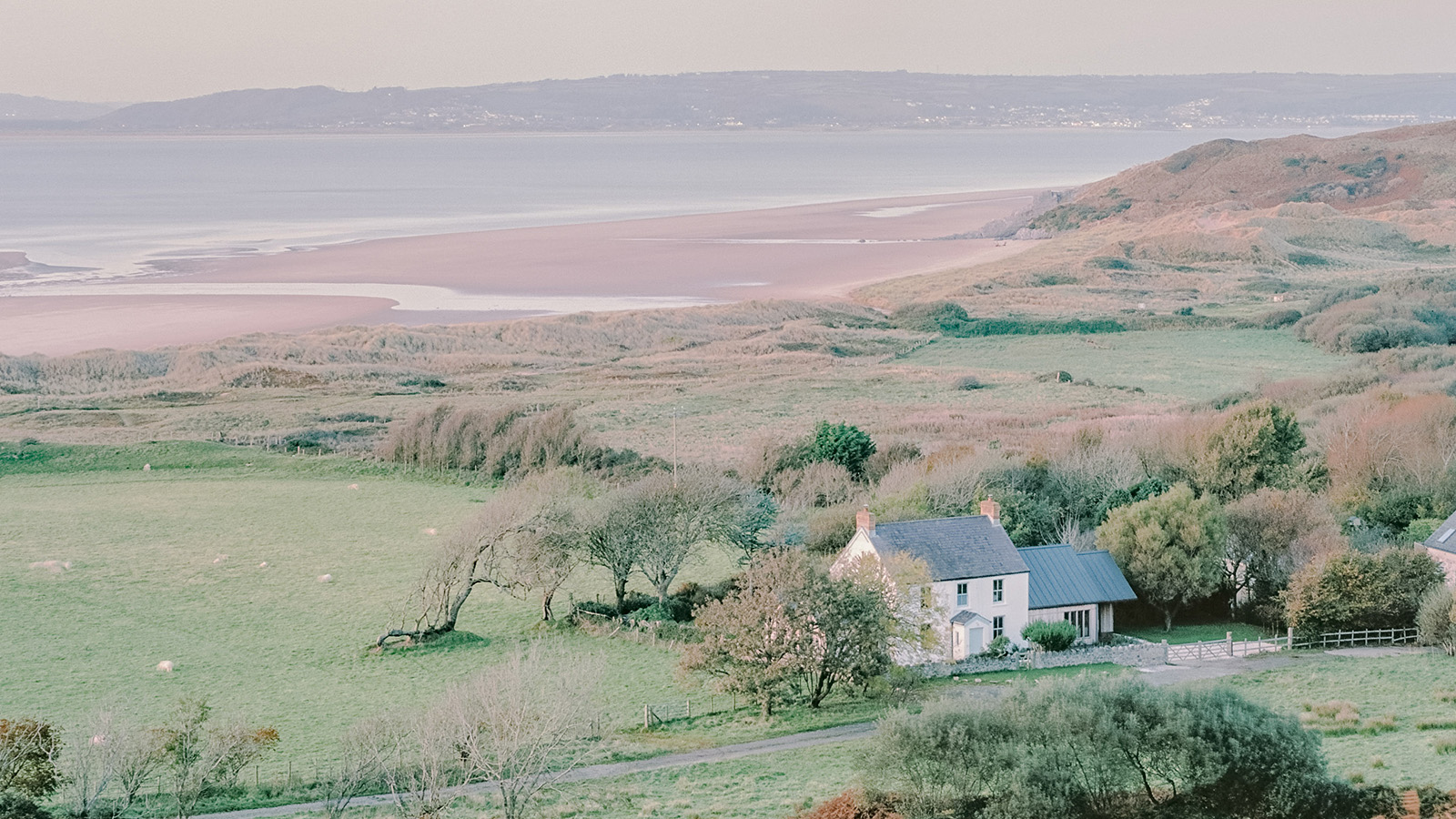 In South Wales, a remote coastal farmhouse flaunts its modern revamp, primed for hosting
A farmhouse perched on the Gower Peninsula, Delfyd Farm reveals its ground-floor refresh by architecture studio Rural Office, which created a cosy home with breathtaking views
-
 How to brush your teeth like Rick Owens
The Dark Prince of Fashion collaborates with oral care brand Selahatin to create a toothpaste, mouthwash, mouth spray, and toothbrush. ‘You don’t need to have many things, but the essential things should be made special,’ says Owens
-
 Remembering Robert A.M. Stern, an architect who discovered possibility in the past
It's easy to dismiss the late architect as a traditionalist. But Stern was, in fact, a design rebel whose buildings were as distinctly grand and buttoned-up as his chalk-striped suits


-
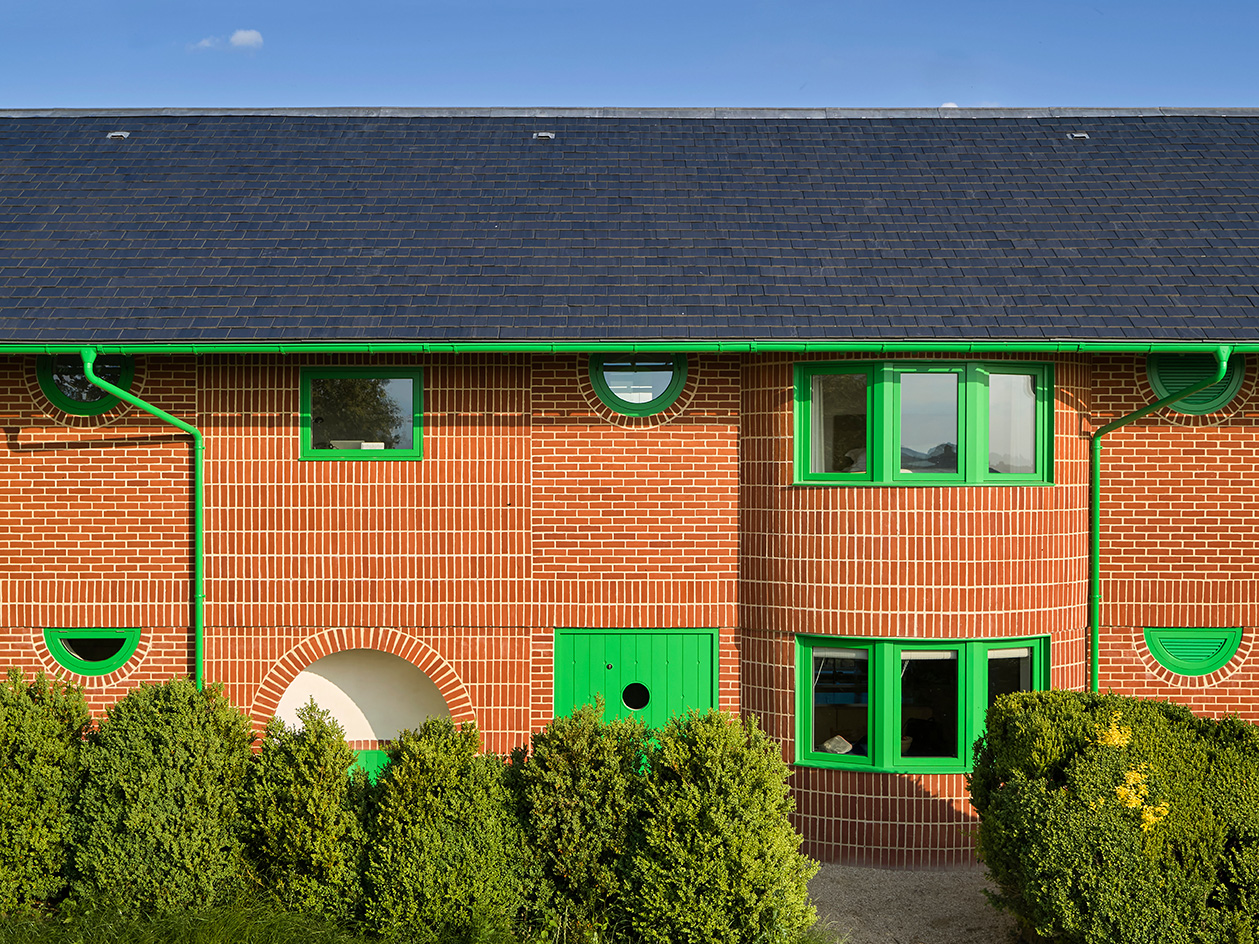 David Kohn’s first book, ‘Stages’, is unpredictable, experimental and informative
The first book on David Kohn Architects focuses on the work of the award-winning London-based practice; ‘Stages’ is an innovative monograph in 12 parts
-
 Modernist Scotland explores the country’s impressive legacy of contemporary architecture
A new book, Modernist Scotland, delves into the art and ambitions of the International Style in post-war Scotland, presenting 150 projects that typify an age of optimism and innovation.
-
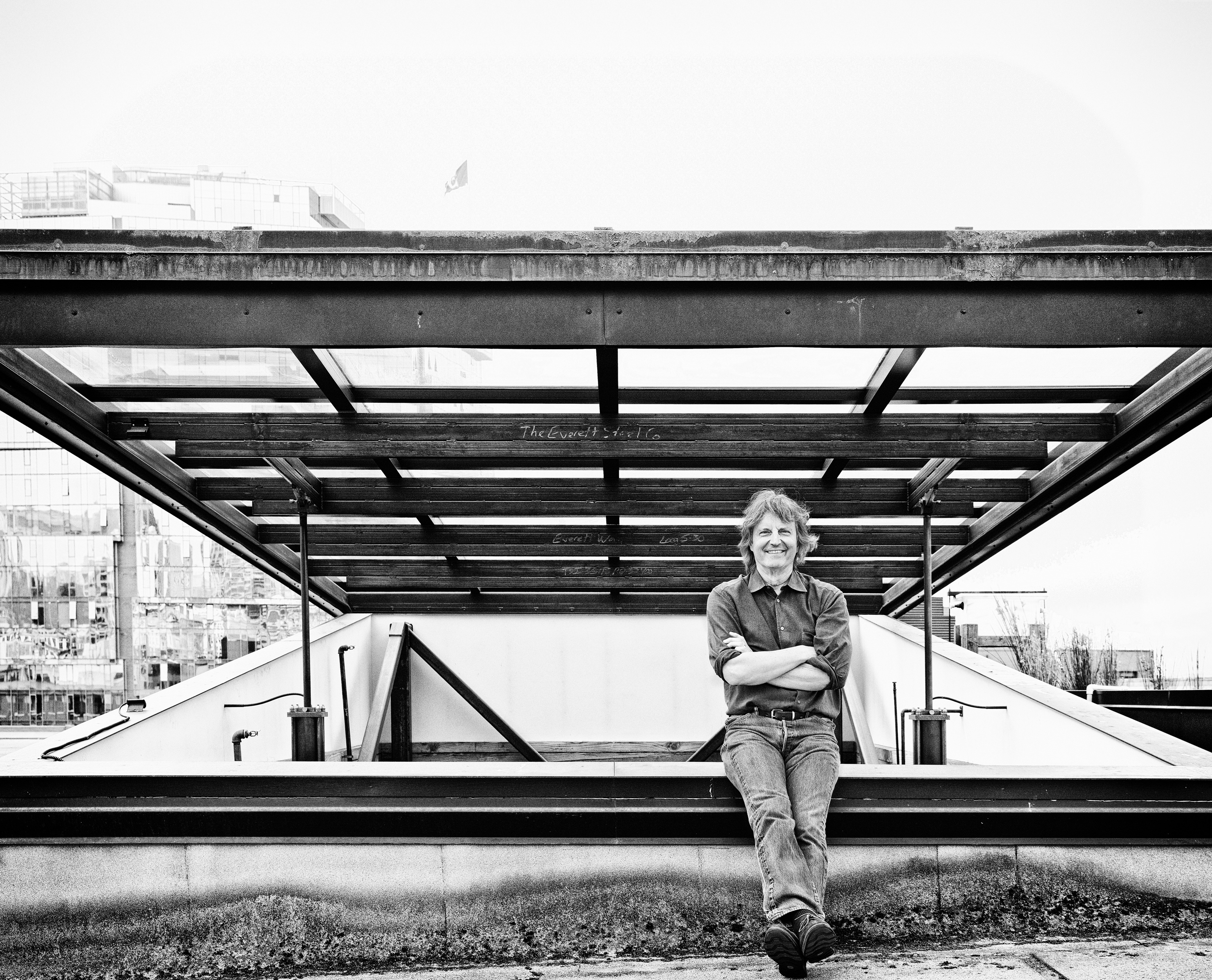 Explore Tom Kundig’s unusual houses, from studios on wheels to cabins slotted into boulders
The American architect’s entire residential portfolio is the subject of a comprehensive new book, ‘Tom Kundig: Complete Houses’
-
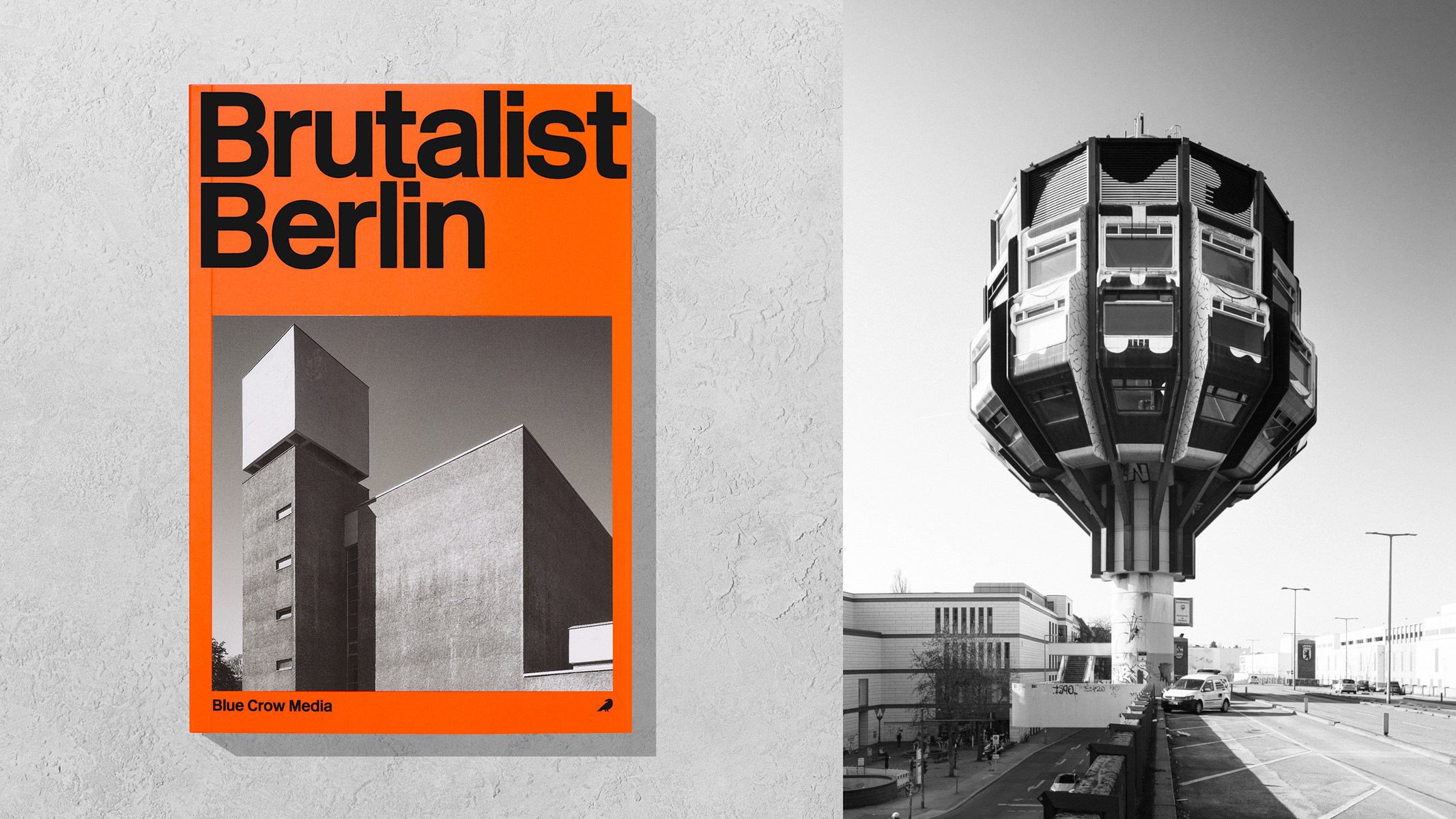 ‘Brutalist Berlin’ is an essential new guide for architectural tourists heading to the city
Blue Crow Media’s ‘Brutalist Berlin’ unveils fifty of the German capital’s most significant concrete structures and places them in their historical context
-
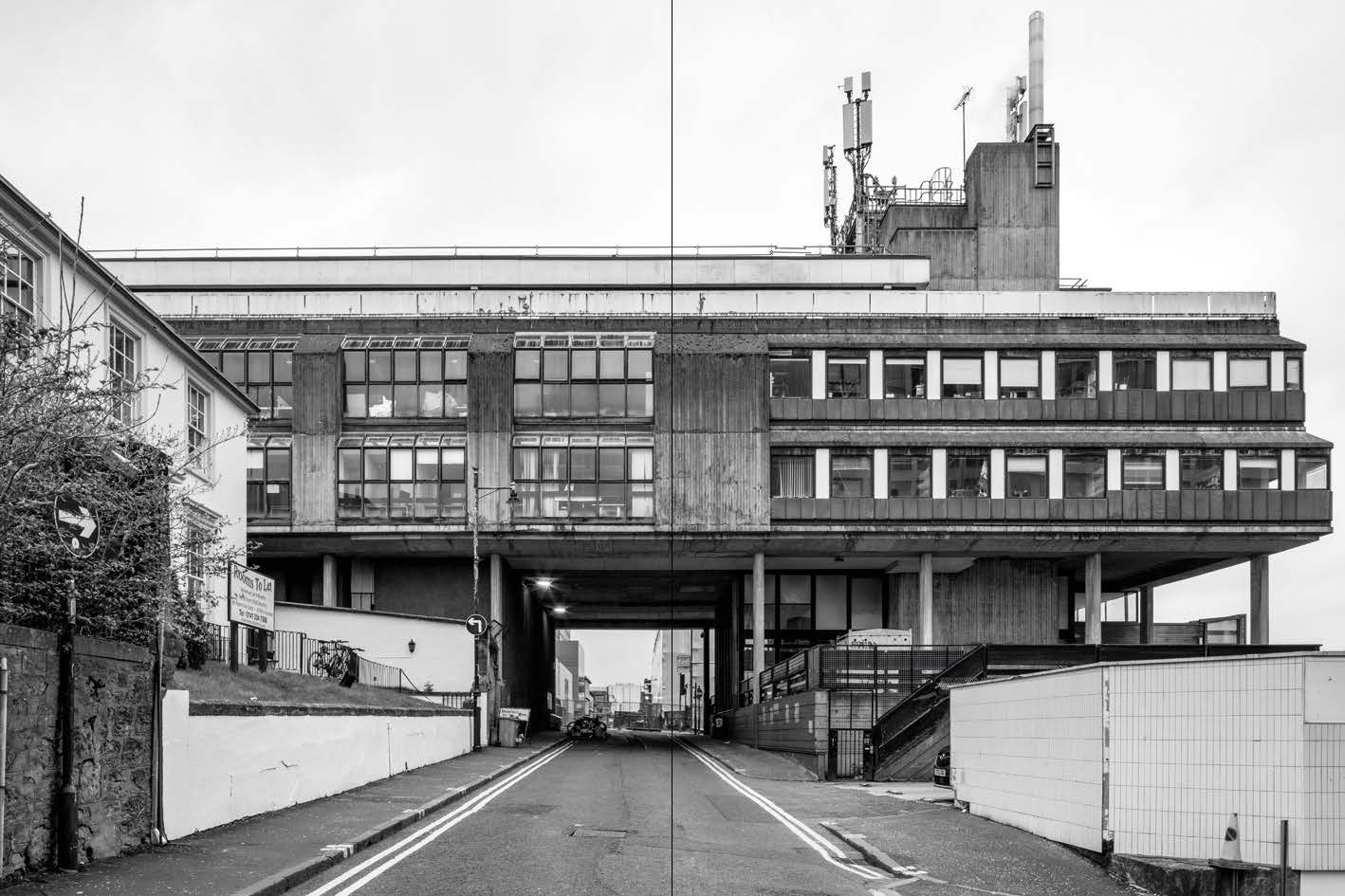 Celebrate the angular joys of 'Brutal Scotland', a new book from Simon Phipps
'Brutal Scotland' chronicles one country’s relationship with concrete; is brutalism an architectural bogeyman or a monument to a lost era of aspirational community design?
-
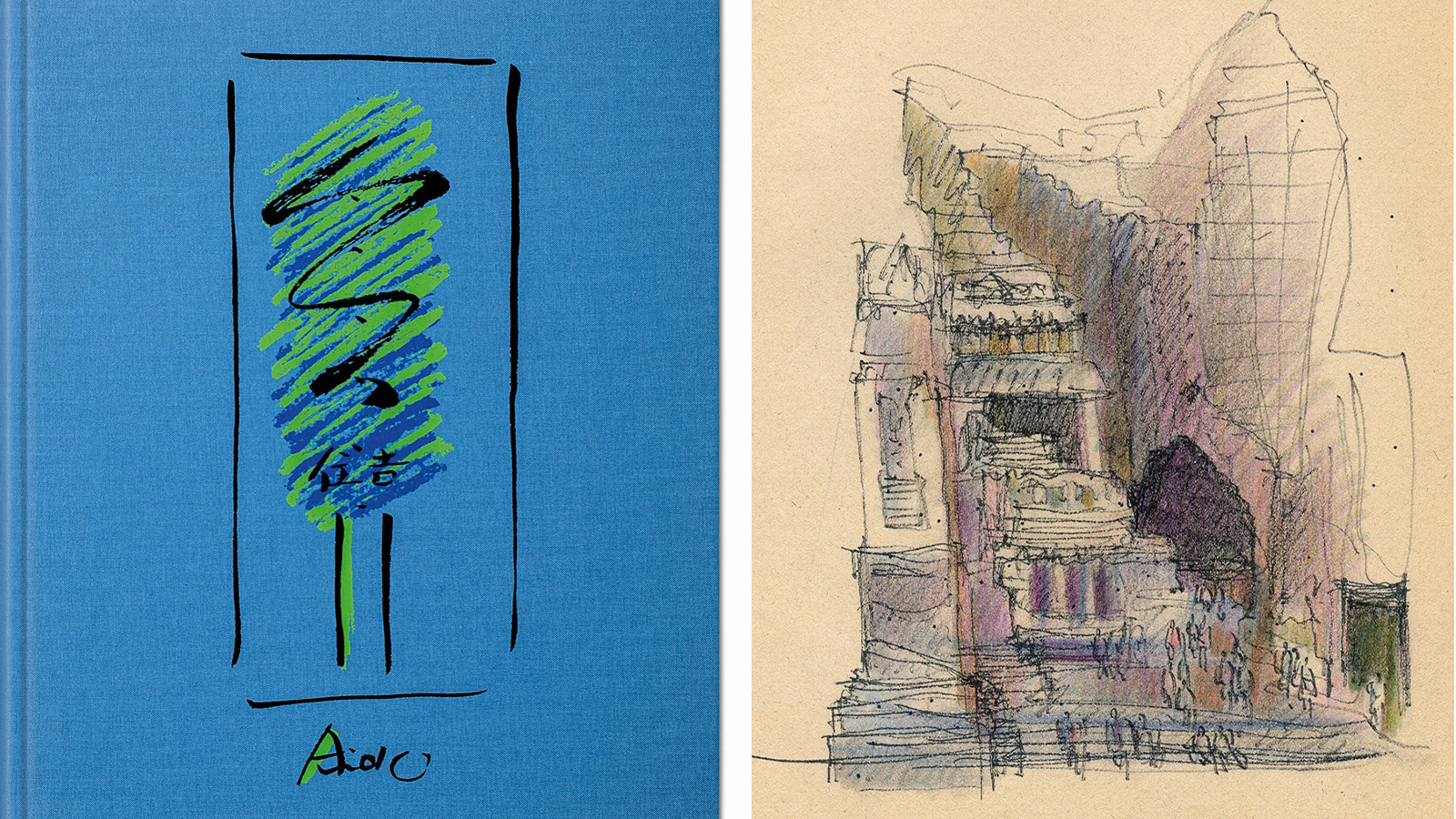 A new Tadao Ando monograph unveils the creative process guiding the architect's practice
New monograph ‘Tadao Ando. Sketches, Drawings, and Architecture’ by Taschen charts decades of creative work by the Japanese modernist master
-
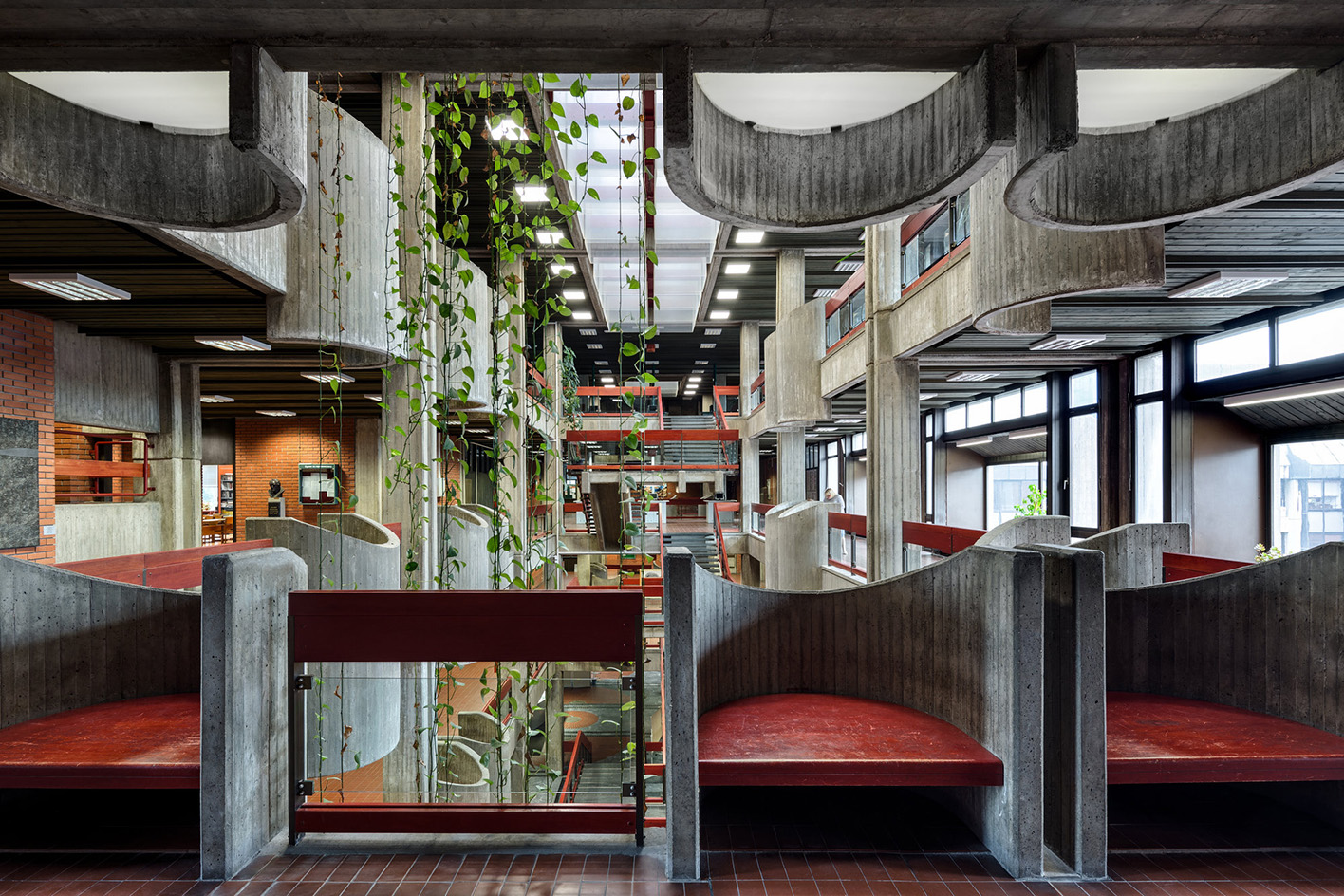 Around the world in brutalist interiors – take a tour with this new book
'Brutalist Interiors' is a new book exploring the genre's most spectacular spaces; we speak to its editor Derek Lamberton, and ask for his top-three must-sees
-
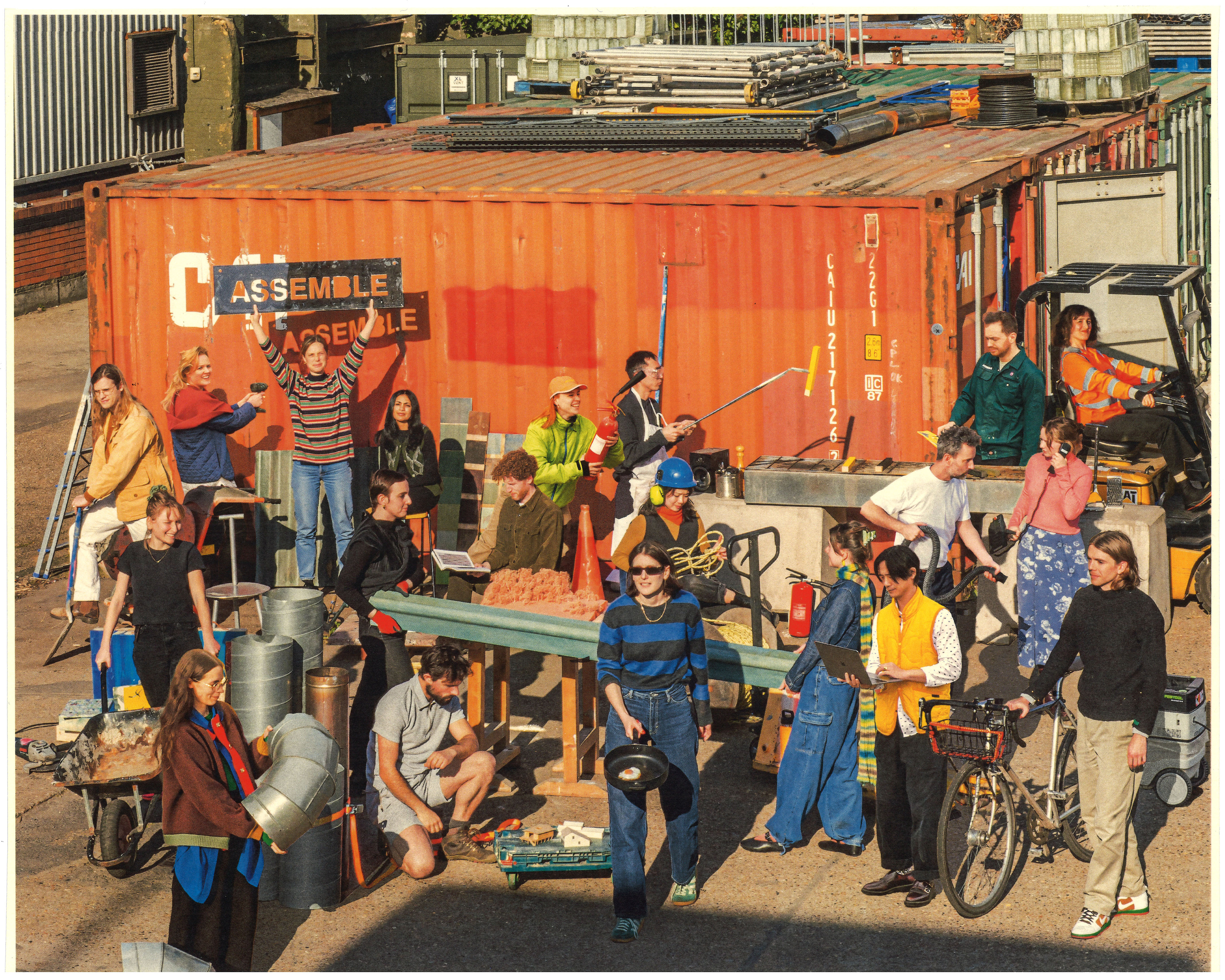 15 years of Assemble, the community-driven British architecture collective
Rich in information and visuals, 'Assemble: Building Collective' is a new book celebrating the Turner Prize-winning architecture collective, its community-driven hits and its challenges


