
-
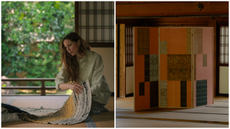 A European textile designer in Japan, Mae Engelgeer transforms memory and tradition for the future
As she unveils a collaboration with 14th-century Zen temple Ryosokuin (on view until 7 July 2026), Wallpaper* speaks to the Dutch textile designer about working in Japan and the soft power of her medium
-
 Once a fungus-filled wreck on the verge of collapse, this Wes Anderson-coded guesthouse is now a design lover's dream
When two architects inherited a crumbling townhouse in the Czech hop capital of Žatec, it took eight years, specialist craftsmen and a hidden stash of moonshine to bring it back from the brink
-
 Why are we waiting? What queuing says about us
Daven Wu reflects on the beauty and true meaning of the queue – an act anyone at a design fair will have plenty of time to grit their teeth and ponder
-
 Get the Wallpaper* Design Directory 2026, on sale now and full of showstoppers
Discover design highlights of the year so far, from Milan Design Week and beyond, gathered in the July 2026 issue of Wallpaper*, on newsstands
-
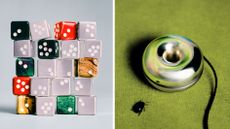 Ten things to see at 3 Days of Design 2026
Copenhagen’s 3 Days of Design festival returns from 10-12 June 2026, with exhibitions and product launches following the theme of ‘Make this Moment Matter’
-
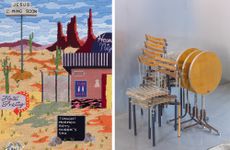 Seek these design goings-on in the south of France sun this summer
Everything you need to know about the major exhibitions in design, art and architecture happening from Saint-Tropez to Montpellier this summer
-
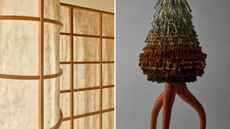 Ancient Japanese techniques meet contemporary design at Craft x Tech
International designers and local makers came together at the Japanese design initiative to reimagine centuries-old traditions
-
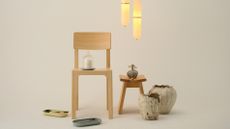 Japanese design is interpreted through a Danish lens at 3 Days Of Design
At 3 Days of Design 2026 (10-12 June), Jens H Jensen and OEO Studio curate a showcase of contemporary Japanese makers, revealing a design culture shaped by pragmatism, exacting craftsmanship and close collaboration
-
 The quintessential ergonomic office chair just got its boldest update in three decades
New colours, greener materials and greater size inclusivity bring Herman Miller's 'Aeron' – the chair that started it all – firmly into the modern day, and the modern office
-
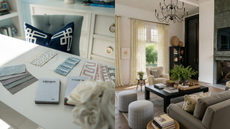 This design competition rethinks curtains as art – enter now
Bespoke Partnership
The Twopages X Design Contest 2026 is a chance for emerging and established creatives to see their concepts commercially realised and win a prize of $10,000
-
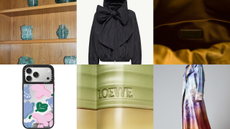 The Design Drop: 13 launches we can’t stop thinking about this month
We spotlight the month’s most exciting new products, from GoPro’s foray into professional filmmaking to the best swimwear for the season
-
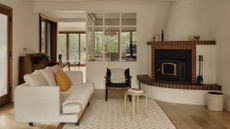 A modernist home in Montréal gets a renovation that stays faithful to its roots
Design studio Vives St-Laurent worked with inherited conditions – modest ceiling heights, sloped roofs and decades of modifications – to draw out the home's original early-20th-century character
-
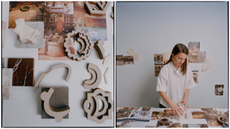 For artist and designer Talin Hazbar, every fragment of rock tells a story
In the studio with the UAE-based artist, who uses collected materials, from rocks to sand and fishing nets, to create works loaded with cultural memory
-
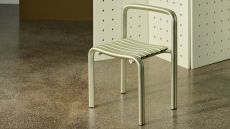 ‘We hope it spreads some love’: Muuto and Spacon’s new chair wears its heart on its frame
The furniture brand and the Copenhagen studio channel one of design’s most recognisable symbols – the heart – into a rigorously proportioned aluminium chair, debuting at 3 Days of Design
-
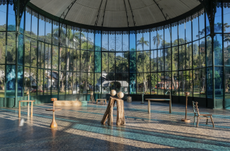 Brazilian schoolchildren turn fallen trees into furniture with the help of designer Gisela Simas
A philanthropic initiative curated by Galerie Philia aims to introduce children to design through collaborative creative workshops
-
 Longevity homes? Visionnaire believes design can help you live longer
The brand announces a new series of high-end residential and hospitality projects designed for wellness, in collaboration with The Longevity Suite and Luca Dini Design & Architecture
-
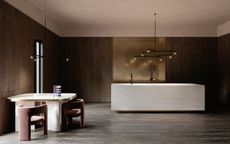 Cosentino reveals a new generation of mineral surfaces for architecture and design
Bespoke Partnership
Combining technical innovation and a nod to natural beauty, the company’s latest surfaces feature a zero crystalline silica formulation
-
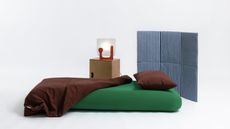 This ‘bed in a box’ contains a fully furnished guest room
A compact plywood shell unfolds into a spare room you don’t have – Thélonious Goupil and Campeggi's ‘Bienvenue’ is a witty, ingenious answer to the age of shrinking square footage
-
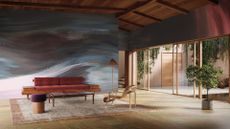 New York Design Week 2026: Live updates from the Wallpaper* team
Design is taking over the Big Apple from 14-20 May – and our editors are here for the action. Here are the latest news, launches and goings-on from NYCxDesign
-
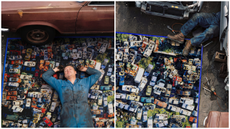 A new Seletti rug collection transforms photography into an immersive experience
Archival landscape shots by Italian photographer Giacomo Giannini are abstracted by Seletti to become rugs with a painterly character
-
 These reissued 1960s rattan chairs by Gubi and Bonacina are the perfect summer take on a midcentury classic
The new rattan furniture collaboration features archival designs by Tito Agnoli
-
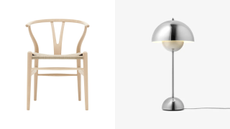 A definitive guide to classic Danish design
From Wegner's ‘Wishbone’ chair to Jacobsen's ‘Egg’, Denmark's design heritage is unrivalled. We profile the Scandi studios and manufacturers behind some of the most enduring objects of the modern era
-
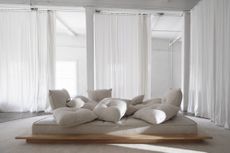 Alexandre de Betak’s modular sofa turns lounging into an art form
Paris gallery Pierre Augustin Rose showcases the ‘Le Takbe’ sofa, its collaboration with artist and fashion event producer Alexandre de Betak, which launched during NYCxDesign
-
 This centuries-old Belgian farmhouse is hiding a 1920s-style nightclub beneath it
Van Damme-Vandeputte Architects has transformed a historic, rural home into a deeply sophisticated space of colour and detail – with a Parisian-inspired cabaret in the basement
-
 Go onyx bananas – get your OMA-designed stone groceries now
AMO/OMA designed a stone supermarket at Milan Design Week: their groceries for Solidnature – from marble steaks to travertine sandwiches – are now available to order
-
 Roberto Lugo installs a gigantic vase and fire hydrant in Madison Square Park
The installation, ‘Alfarero del Barrio (Village Potter),' celebrates the joys and triumphs of the Puerto Rican community
-
 Max Lamb debuts materially-efficient chair for Hem
Once known as the Economy Chair, Max Lamb's ‘Min’ chair makes its debut with Swedish manufacturer Hem


