
An impressive double header opened at London's Lisson Gallery yesterday with new shows from Anish Kapoor and Korean minimalist Lee Ufan.
More than thirty years on from his first exhibition at the gallery, Kapoor presents new giant resin and silicon pieces - not for the squeamish - that blur the boundary between sculpture and painting and look, as much as anything, like panels of mangled, torn and charred flesh; tortured lumps of fat and sinew that lurch out of the wall at you (though recalling at once Rembrandt in their very fleshiness, Bacon in their horror-movie punch and Kapoor's own explosive red wax works). These pieces are not traumatic, they are trauma.
He has been developing these visceral shockers for the last 18 months. And as much as Kapoor has long insisted that he is a painter who is sculptor, as if in trying to do one thing he ended up doing another, they feel like the work of a different artist. Different from the Kapoor of Chicago's Cloud Gate, or the 'Bean' as it has been affectionately tagged. This was a kind of crowd-pleasing minimalism that left you feeling cleaner and calmer after viewing, but now it's as if Sigur Rós has started playing Death Metal.
The odd thing is that becalming, purifying Kapoor is also here in shiny pure shapes and a lovely, almost confectionary pink onyx ovoid. These pieces are also organic and bodily in their way, but womby. As with much of Kapoor's work, they suck you in and spin you round, but in a good way.
Ufan meanwhile is a less-is-more minimalist proper. He helped establish the Mona-Ha movement in Japan in the 1960s, where he is best known, but recent shows at Versailles and the Guggenheim mothership in New York have bolstered his international reputation.
Ufan has created what the Lisson calls a 'quasi-sacred' space to house these new works; an effort, the artist says, to 'lead people's eyes to emptiness and turn their eyes to silence'. Here he has installed four large paintings - carefully composed sweeps of a single colour. In another area a large rock talks, somehow, to a large blank canvas. He is concerned with this kind of material connection. In the gallery's interior courtyard he has set a large rock onto a sheet of glass, a reflective pond that holds steady. 'My work is interior and exterior,' Lee has said, 'interrelating objects and finding the coherences and harmonies'. They are then a pointed contrast to Kapoor's new found dissonance.

Never one to obey expectations, Kapoor also presents some more cleaner and calmer works, albeit bodily in their own way. Both works here are simply titled 'Not yet titled'.

A candy pink, wholesome-looking onyx ovoid lies calmly next to one of Kapoor's ravaged, mangled silcone and pigment works.

In this exhibition, Kapoor somehow gives lessons in both dissonance and simultaneity; both the tortured lumps of fat and sinew and the recognisable golden haloes, though diametrically opposed, suck you in and spin you round.

Lee Ufan's works, on the other hand, offer a sense of tranquility quite at odds with the trauma of Kapoor's. Pictured: the talking rock, 'Dialogue - Silence', 2013.

Ufan's 'Dialogue' paintings of 2014.

'My work is interior and exterior,' Lee has said, 'interrelating objects and finding the coherences and harmonies'
Pictured: 'Relatum - Rest', 2013.
ADDRESS
Lisson Gallery
27 & 52 Bell Street
London
NW1 5DA
-
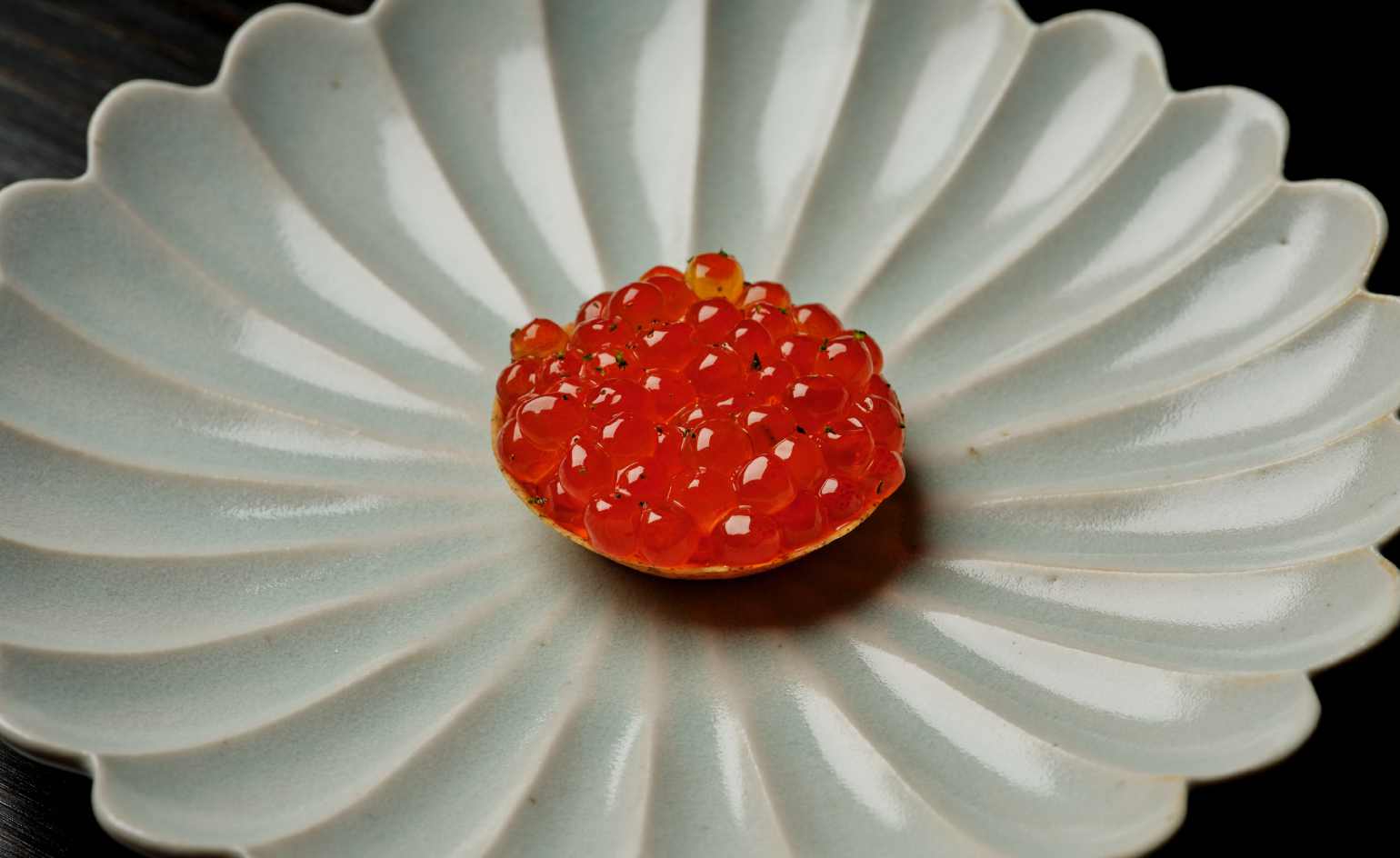 This cult Los Angeles pop-up restaurant now has a permanent address
Chef Brian Baik’s Corridor 109 makes its permanent debut in Melrose Hill. No surprise, it's now one of the hardest tables in town to book
-
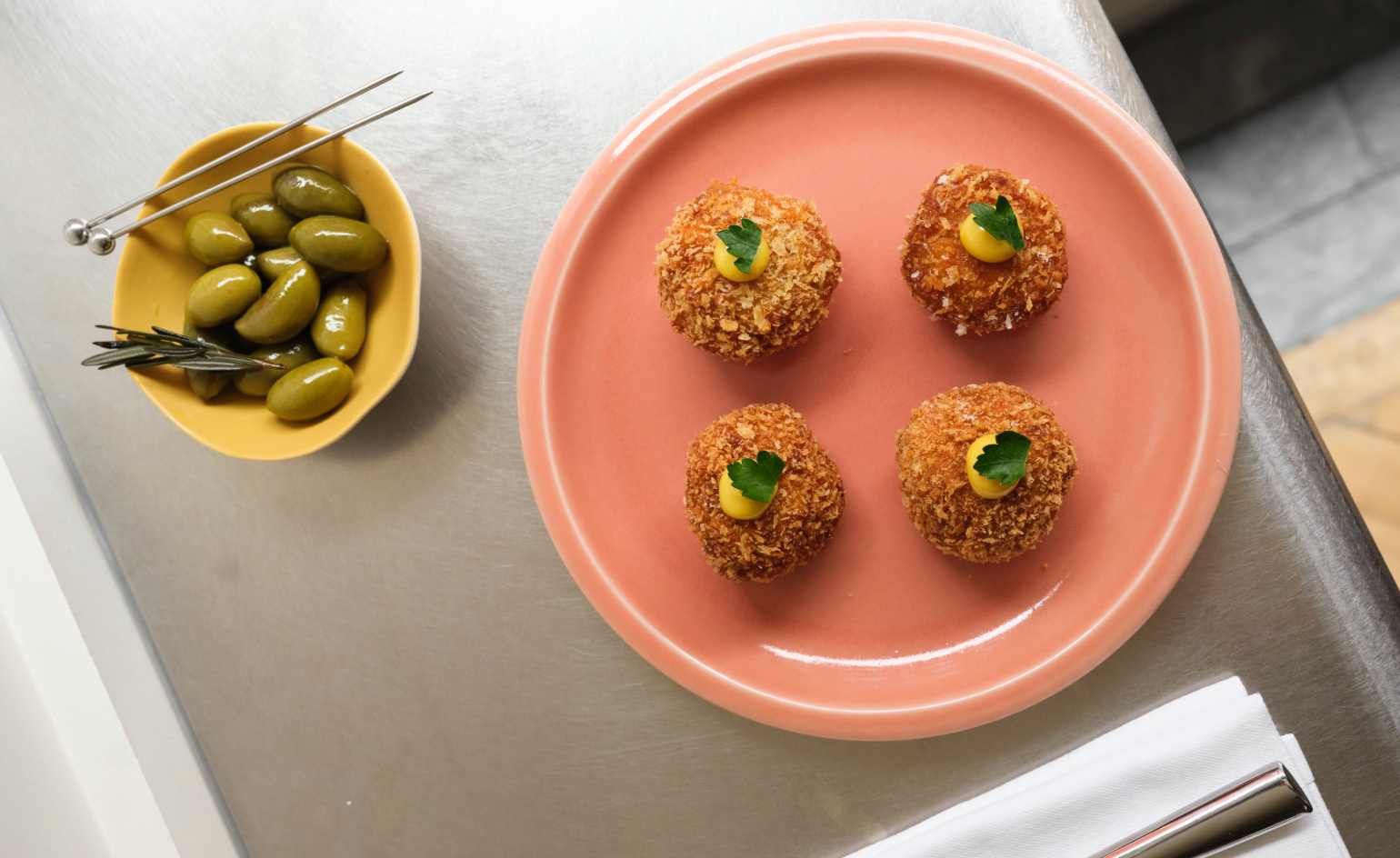 French bistro restaurant Maset channels the ease of the Mediterranean in London
This Marylebone restaurant is shaped by the coastal flavours, materials and rhythms of southern France
-
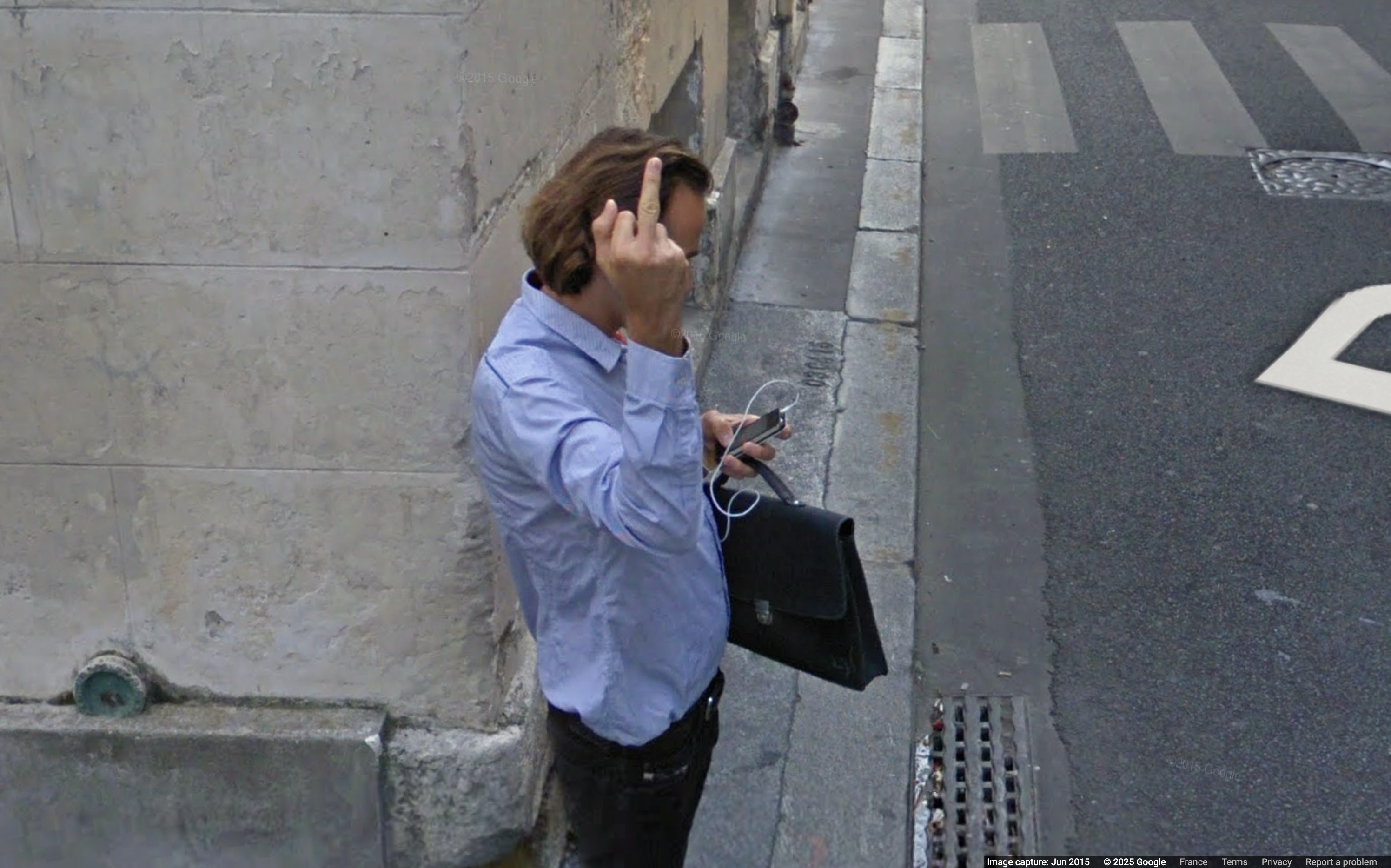 How ethical is Google Street View, asks Jon Rafman in Copenhagen
In 'Report a Concern - the Nine Eyes Archives' at Louisiana Museum of Art, Copenhagen, Jon Rafman considers technology's existential implications


-
 Out of office: The Wallpaper* editors’ picks of the week
Far from slowing down for the festive season, the Wallpaper* team is in full swing, hopping from events to openings this week. Sometimes work can feel like play – and we also had time for some festive cocktails and cinematic releases
-
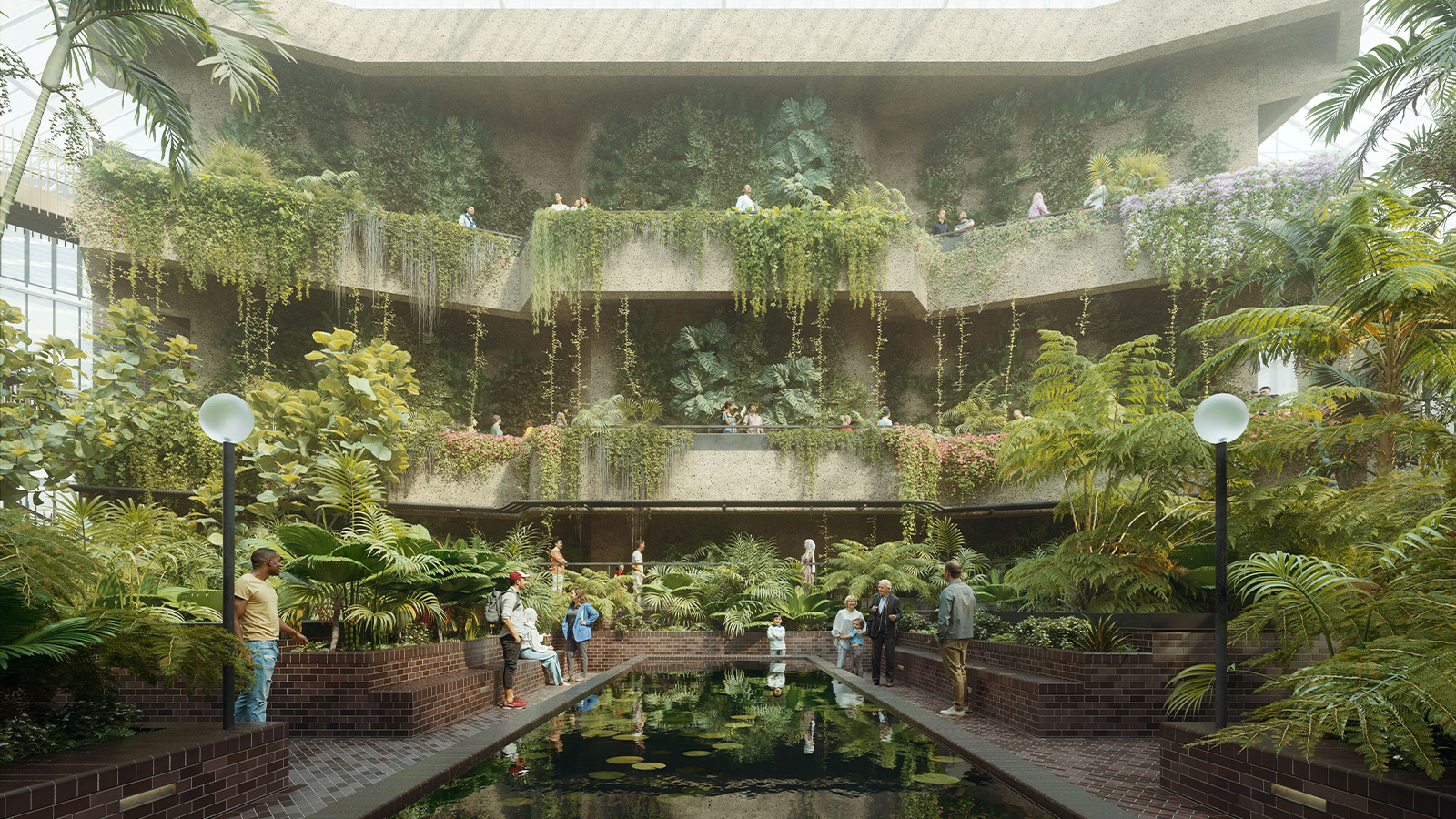 The Barbican is undergoing a huge revamp. Here’s what we know
The Barbican Centre is set to close in June 2028 for a year as part of a huge restoration plan to future-proof the brutalist Grade II-listed site
-
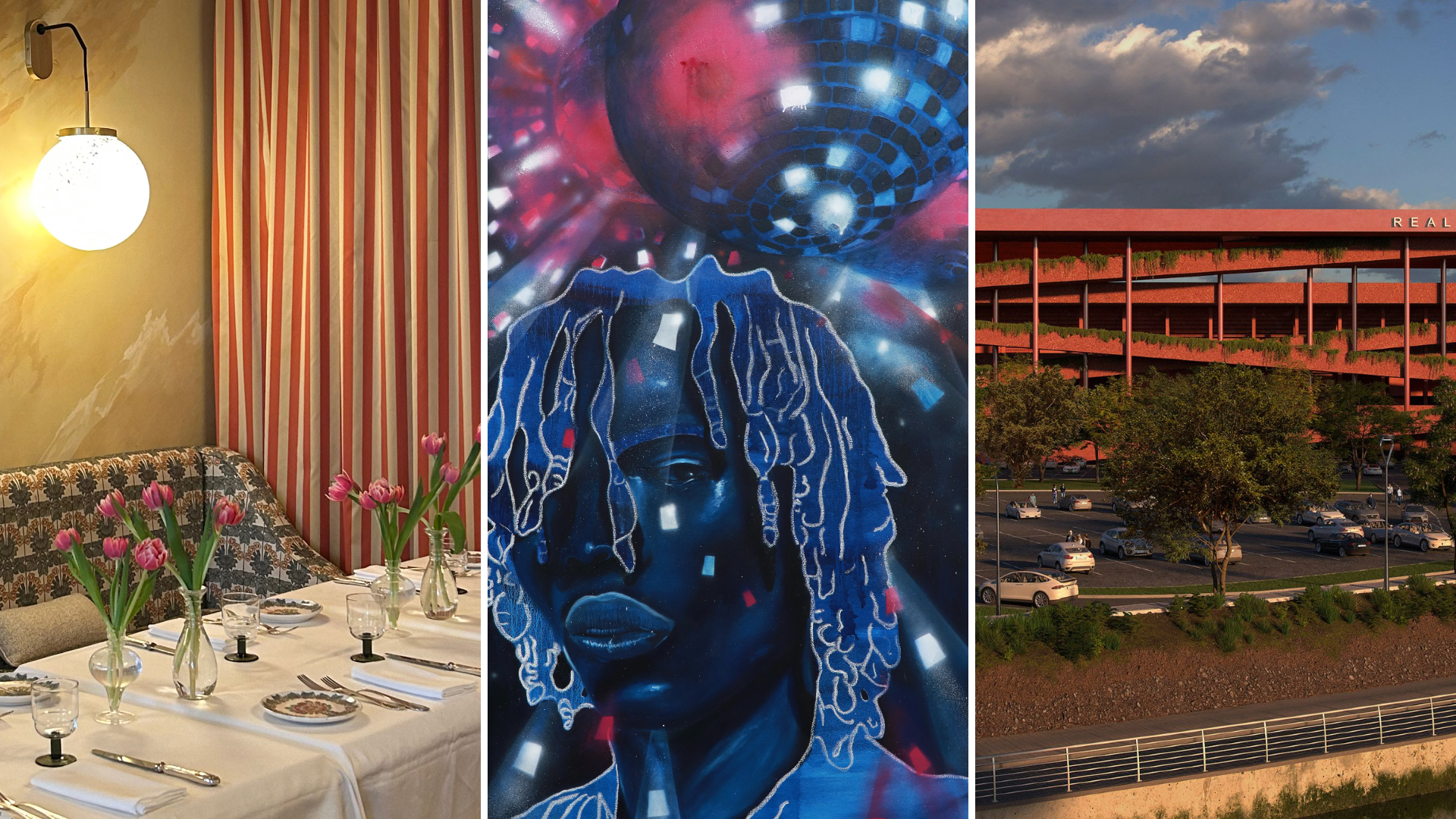 Out of office: The Wallpaper* editors’ picks of the week
It’s wet, windy and wintry and, this week, the Wallpaper* team craved moments of escape. We found it in memories of the Mediterranean, flavours of Mexico, and immersions in the worlds of music and art
-
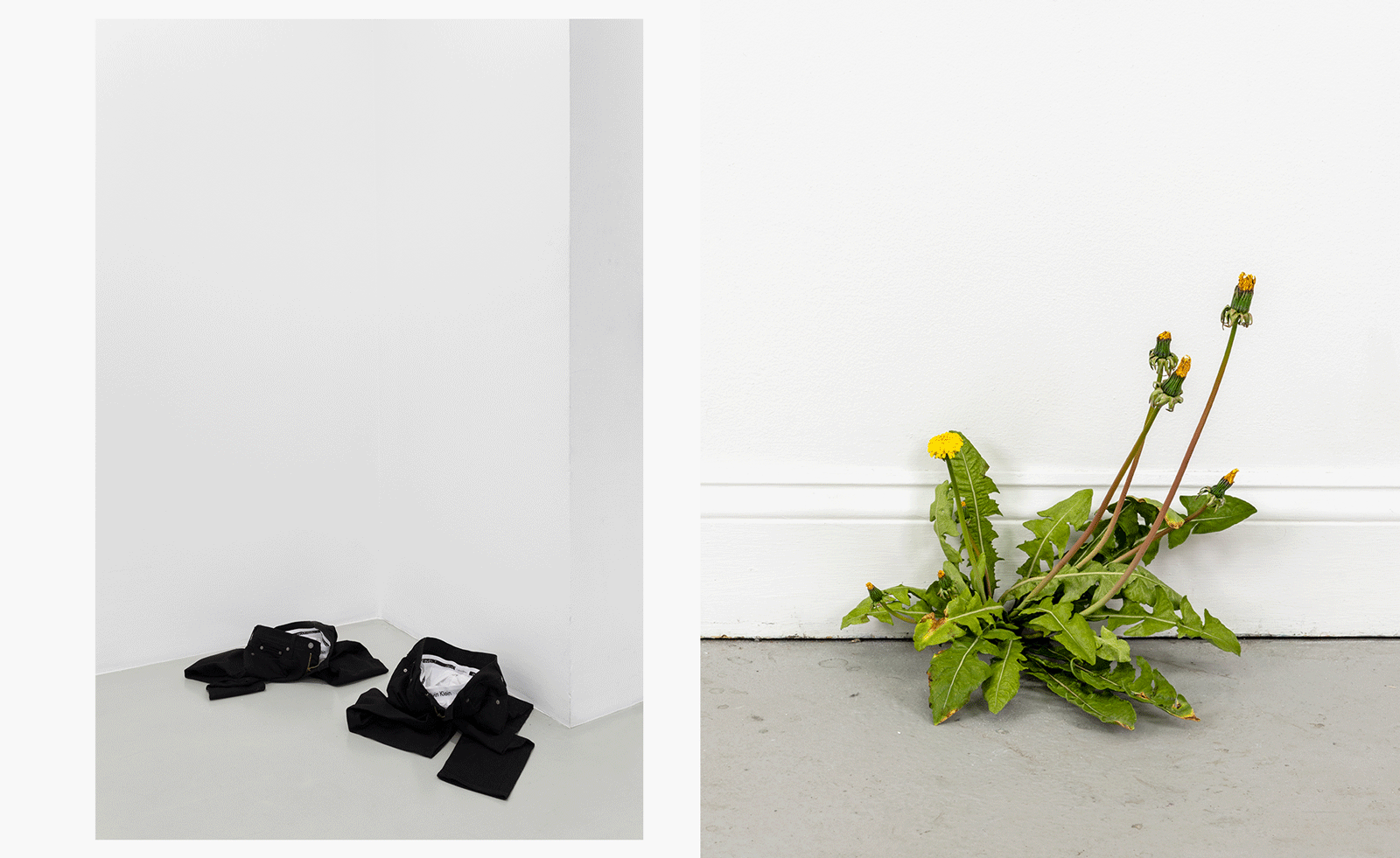 Each mundane object tells a story at Pace’s tribute to the everyday
In a group exhibition, ‘Monument to the Unimportant’, artists give the seemingly insignificant – from discarded clothes to weeds in cracks – a longer look
-
 Out of office: The Wallpaper* editors’ picks of the week
This week, the Wallpaper* team had its finger on the pulse of architecture, interiors and fashion – while also scooping the latest on the Radiohead reunion and London’s buzziest pizza
-
 Out of office: The Wallpaper* editors’ picks of the week
It’s been a week of escapism: daydreams of Ghana sparked by lively local projects, glimpses of Tokyo on nostalgic film rolls, and a charming foray into the heart of Christmas as the festive season kicks off in earnest
-
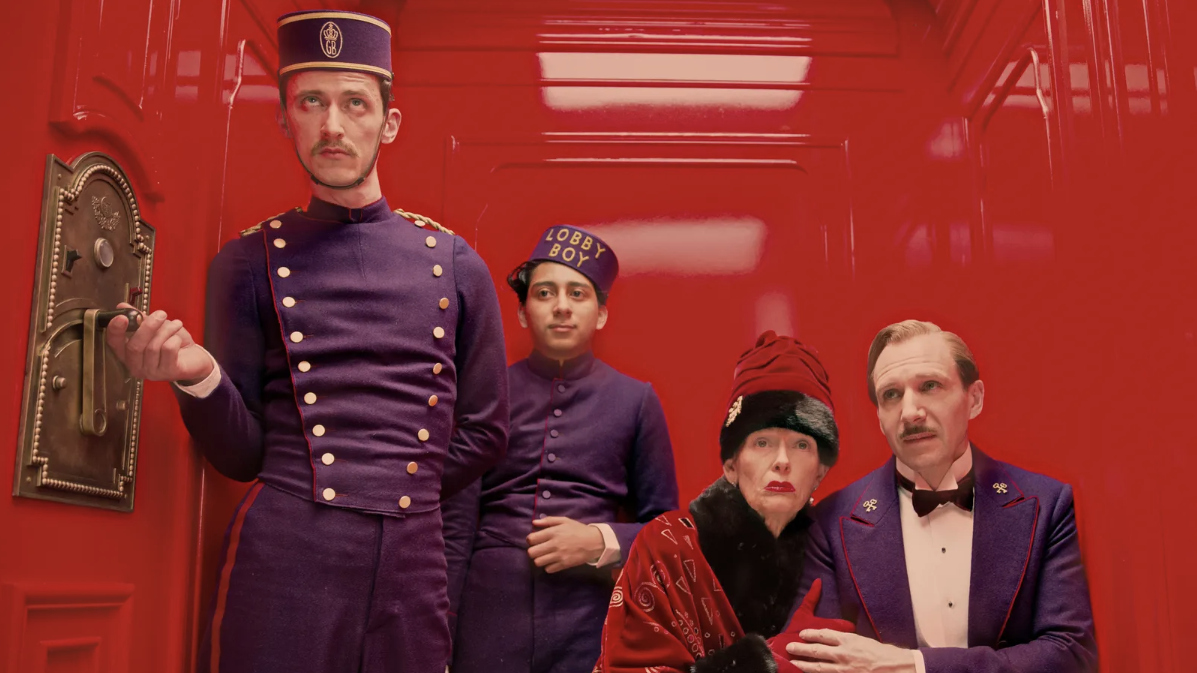 Wes Anderson at the Design Museum celebrates an obsessive attention to detail
‘Wes Anderson: The Archives’ pays tribute to the American film director’s career – expect props and puppets aplenty in this comprehensive London retrospective
-
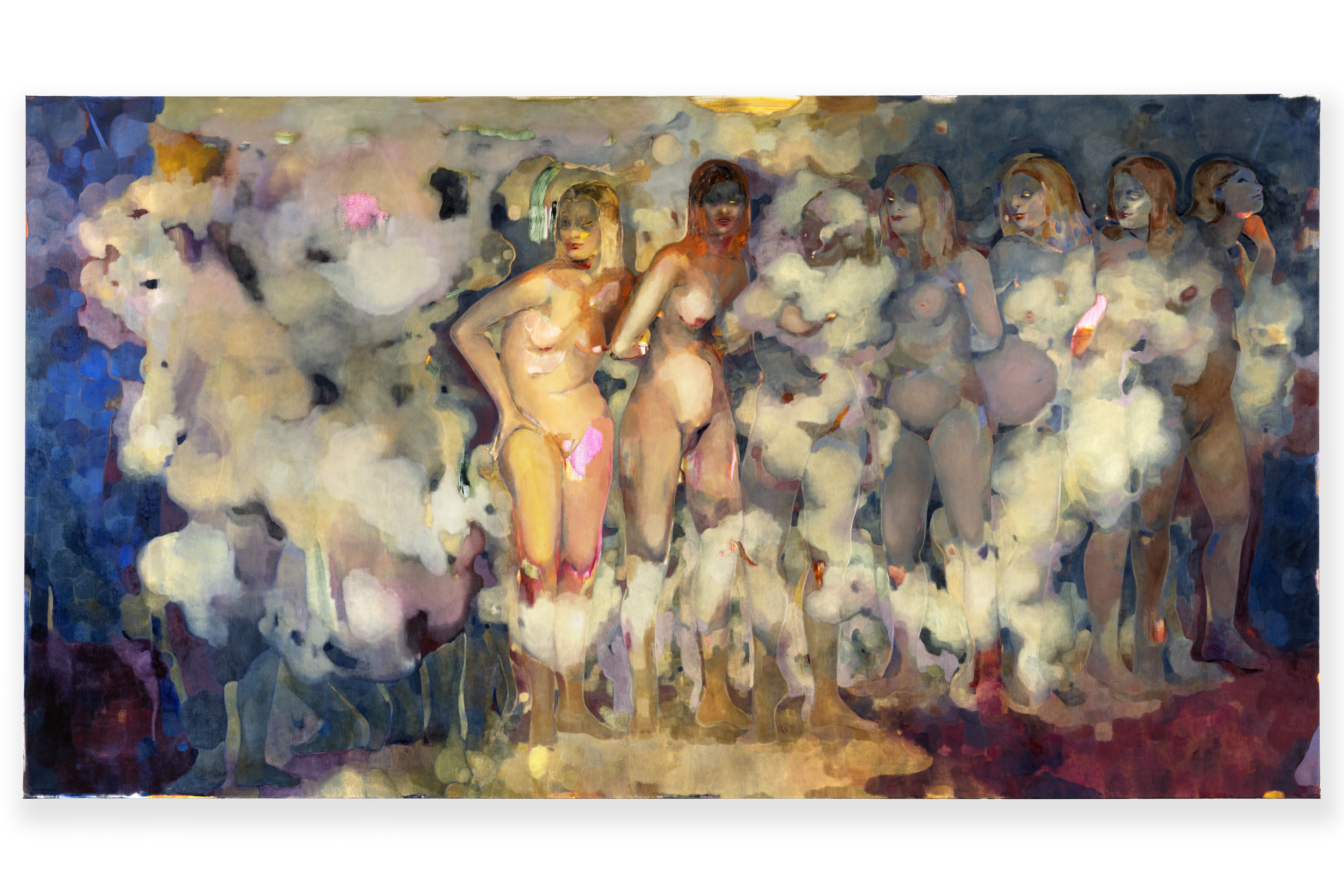 Meet Eva Helene Pade, the emerging artist redefining figurative painting
Pade’s dreamlike figures in a crowd are currently on show at Thaddaeus Ropac London; she tells us about her need ‘to capture movements especially’


