
This Tokyo home sits mysteriously behind a monolithic concrete façade, designed to hide a secret urban retreat. The new project, designed by Apollo Architects and aptly named ‘Stealth’. For all the boldness of its brutalist architecture exterior, inside, the house's Japanese minimalism and refined materiality make for a truly elevated, yet discreet private residence.

Tour this mysterious Tokyo home
‘True to the title, the initial inspiration was to create an urban hideaway where one can relax discreetly,’ says Satoshi Kurosaki, founder of Apollo Architects. ‘To ensure comfortable living amid [a busy lifestyle], the client requested an infinity pool and terrace adjoining the family living area; and an eight-car-sized built-in car lounge. However, the design had to conceal these features from the exterior at first glance.’
To respond to the wishlist, the closed-off façade prioritises security and privacy, while the interior opens up to reveal an urban villa with expansive views.

The top level, which extends out to a pool and terrace
Challenges included overcoming ‘stringent urban regulations such as height restrictions’, and the size of that garage. ‘To accommodate eight parking spaces,’ says Kurosaki, ‘we created an unusually large garage by installing only the minimum-diameter steel bars [as structural supports] – a feat typically difficult to accomplish.’

The pool area and, left, brise-soleil that offer shade and privacy
Upon entering the property, visitors are greeted by the generous garage, showcasing the client’s impressive car collection. An open-tread staircase beyond the double-height entrance hall provides access to the upper and lower floors.

The garage / ‘car lounge’
In the basement, there is a gym, a golf room and space for karaoke, all of which are filled with natural light from a sunken courtyard. The second floor of the residence hosts private bedrooms. The primary suite connects to a walk-in wardrobe and a family bathroom. From the study, a glass wall offers a view down into the entrance hall.

The stairway that leads from the entrance to the upper floors
Kurosaki says: ‘The visitor's anticipation begins in the double-height entrance hall and the car museum-like garage.’ There follows the soothing space of the private rooms and bathrooms on the second floor, and then, ‘the top floor offers an exciting escape from the ordinary – a resort hotel-like space with a spacious terrace and pool. Here, I hope they can savour the feeling of a hideaway or retreat.’

The play of light and shadow from the brise-soleils
The louvres positioned at the top of a double-height space are the architect's favourite feature. He says: ‘[They cast] beautiful patterns of light and shadow onto the north wall, [taking] changing forms throughout the day.

The top level
'The shadows and light that emerge depending on the weather lend the architecture diverse expressions while also imparting a sense of wonder to its inhabitants, as if the building itself were breathing like a living creature.'

-
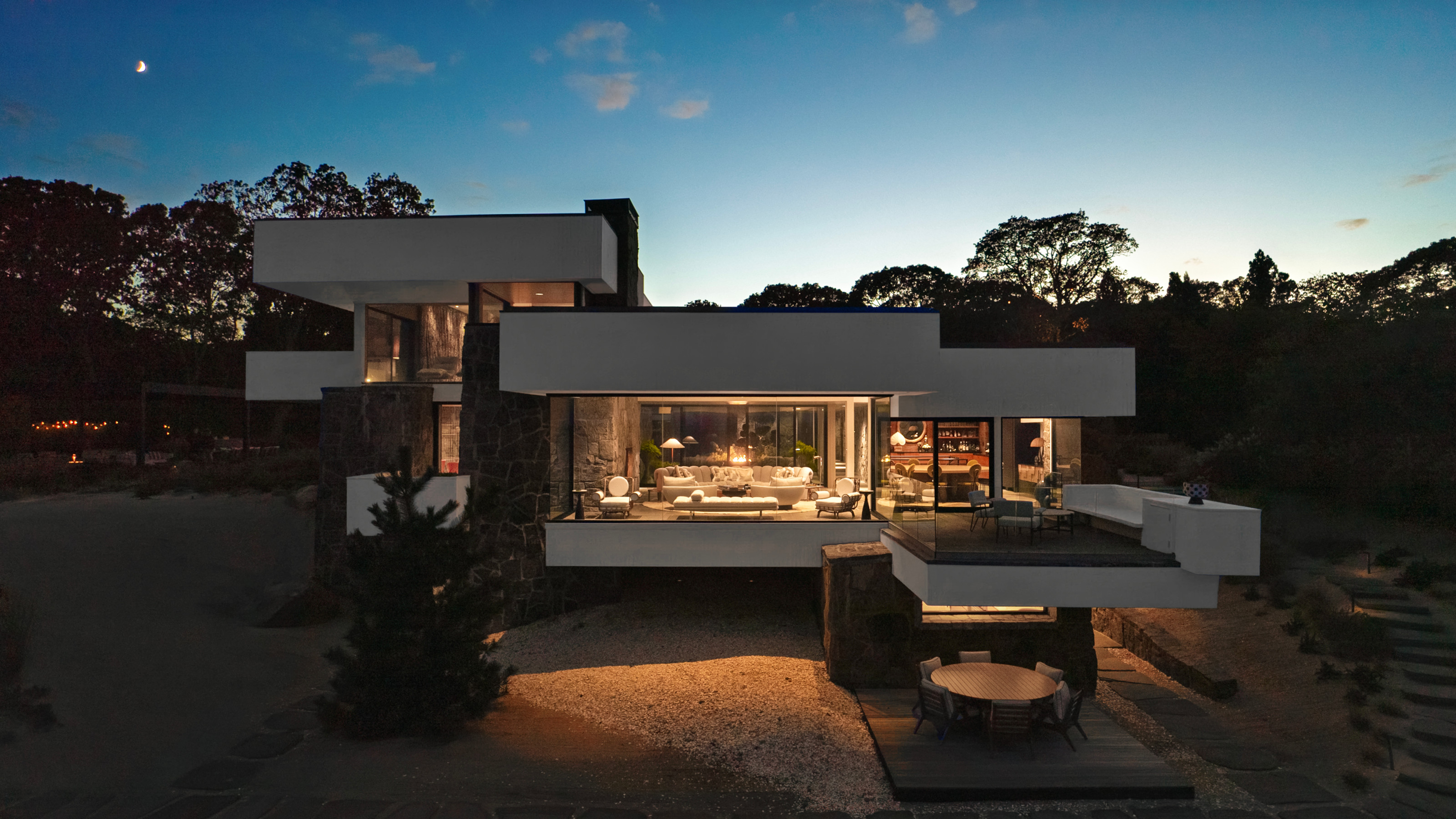 Modernism for sale: a Norman Jaffe-designed icon on Shelter Island hits the market
The Osofsky House epitomised the glamour of high-end 70s modernism on Long Island. Now updated and refurbished, it’s back on the market for the first time in over two decades
-
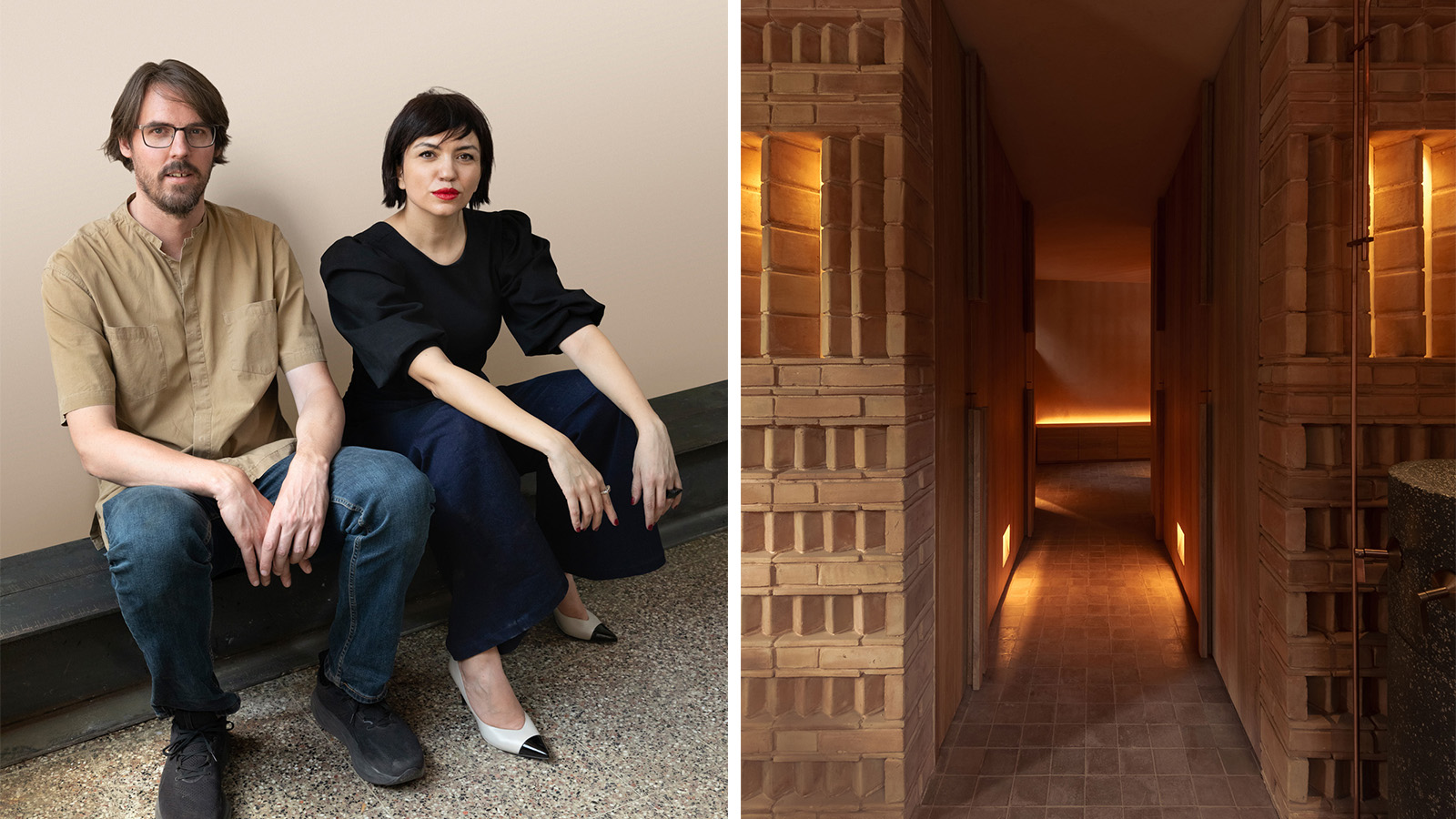 Discover Locus and its ‘eco-localism' - an alternative way of thinking about architecture
Locus, an architecture firm in Mexico City, has a portfolio of projects which share an attitude rather than an obvious visual language
-
 MoMA celebrates African portraiture in a far-reaching exhibition
In 'Ideas of Africa: Portraiture and Political Imagination' at MoMA, New York, studies African creativity in photography in front of and behind the camera


-
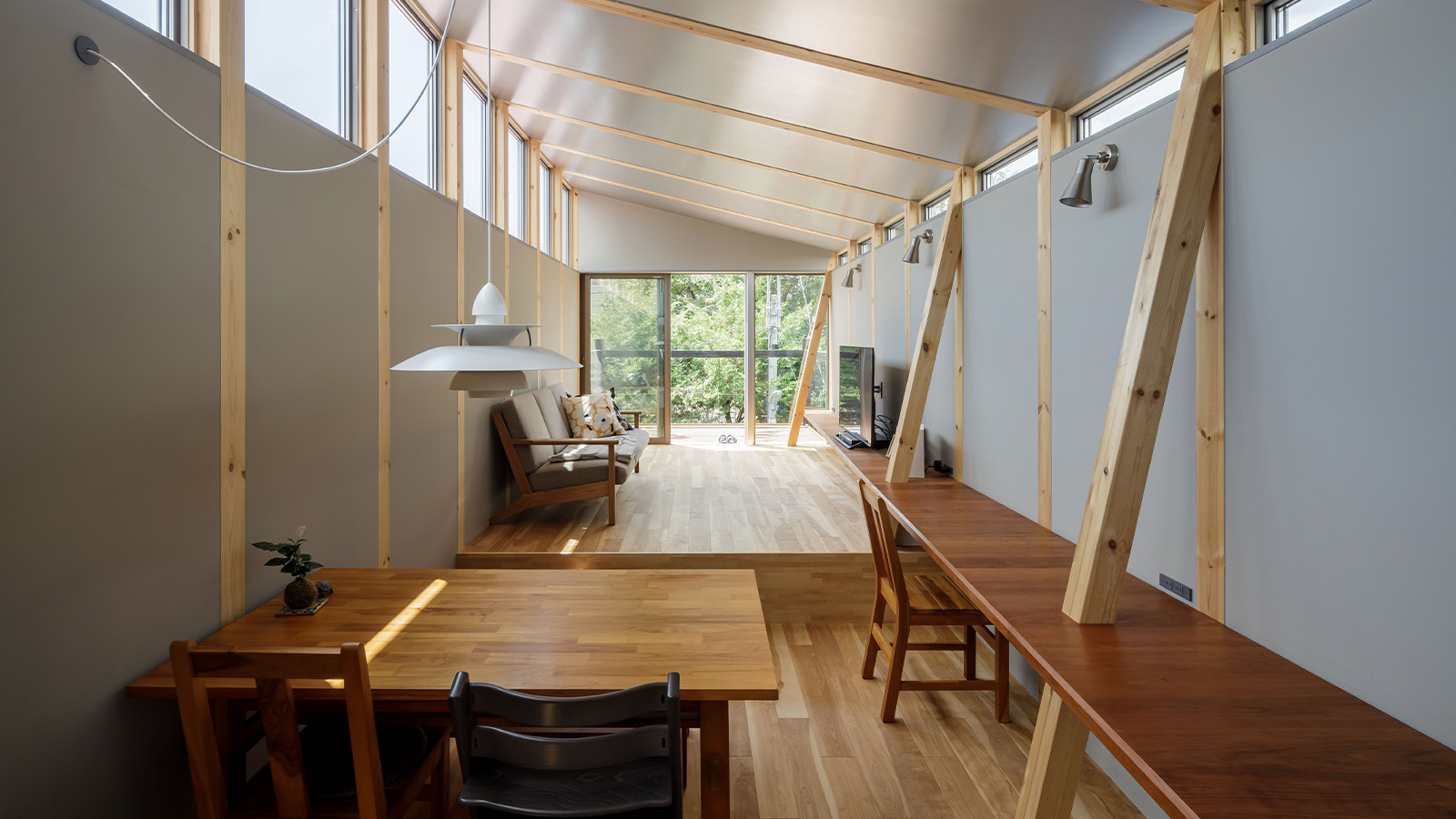 This Fukasawa house is a contemporary take on the traditional wooden architecture of Japan
Designed by MIDW, a house nestled in the south-west Tokyo district features contrasting spaces united by the calming rhythm of structural timber beams
-
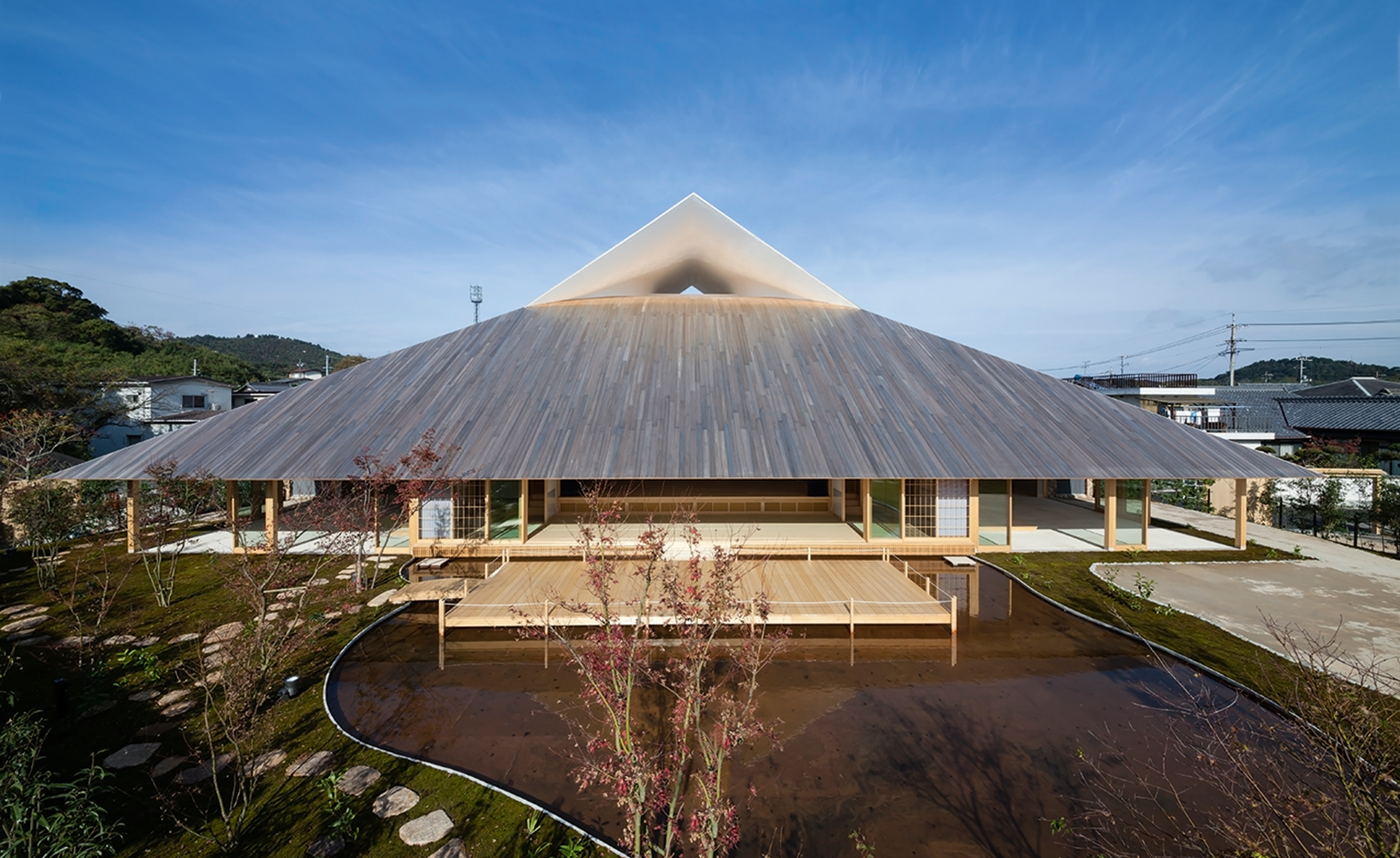 Take a tour of the 'architectural kingdom' of Japan
Japan's Seto Inland Sea offers some of the finest architecture in the country – we tour its rich selection of contemporary buildings by some of the industry's biggest names
-
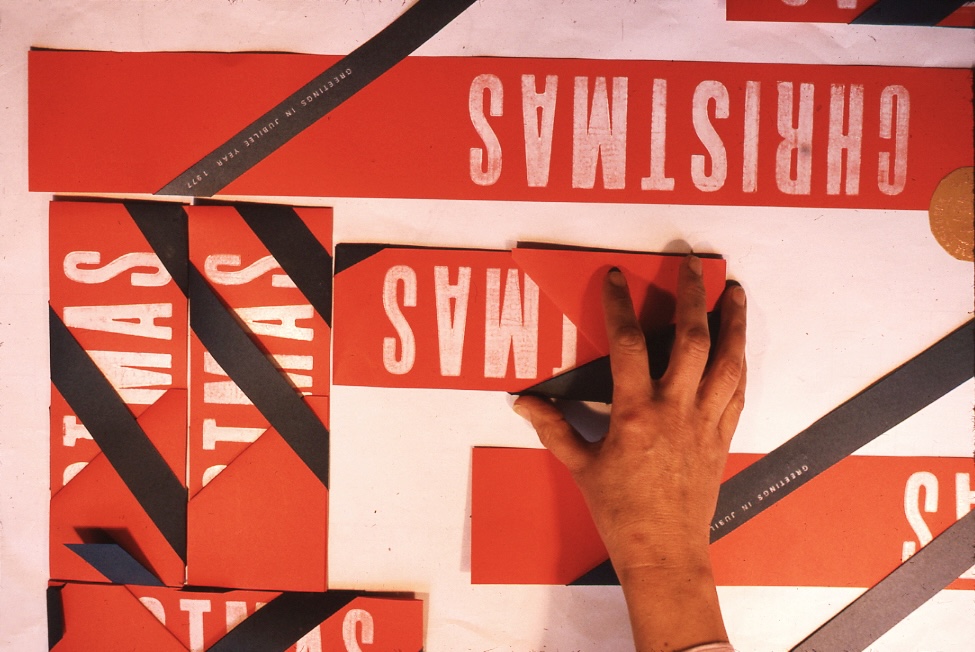 In addition to brutalist buildings, Alison Smithson designed some of the most creative Christmas cards we've seen
The architect’s collection of season’s greetings is on show at the Roca London Gallery, just in time for the holidays
-
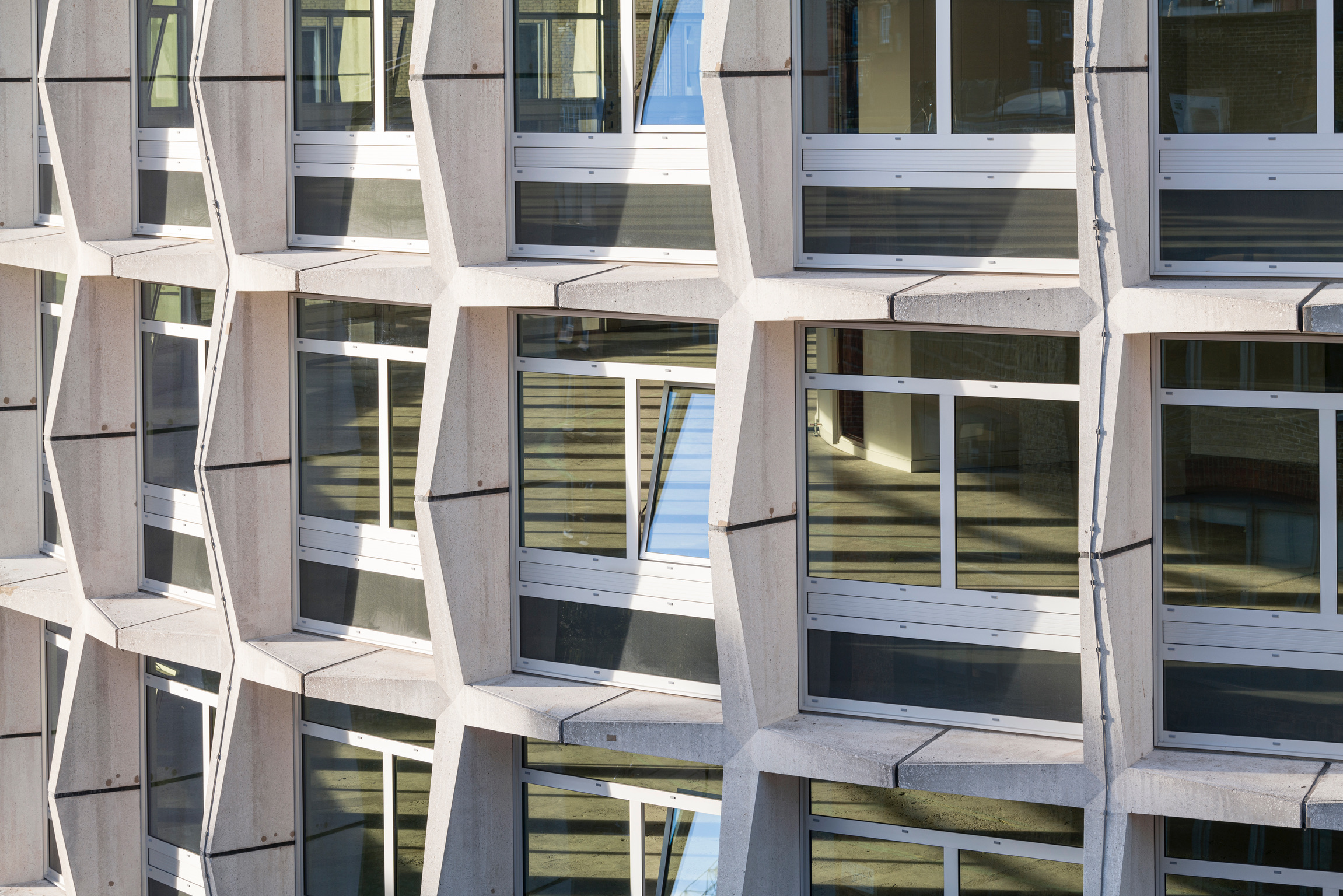 Richard Seifert's London: 'Urban, modern and bombastically brutalist'
London is full of Richard Seifert buildings, sprinkled with the 20th-century architect's magic and uncompromising style; here, we explore his prolific and, at times, controversial career
-
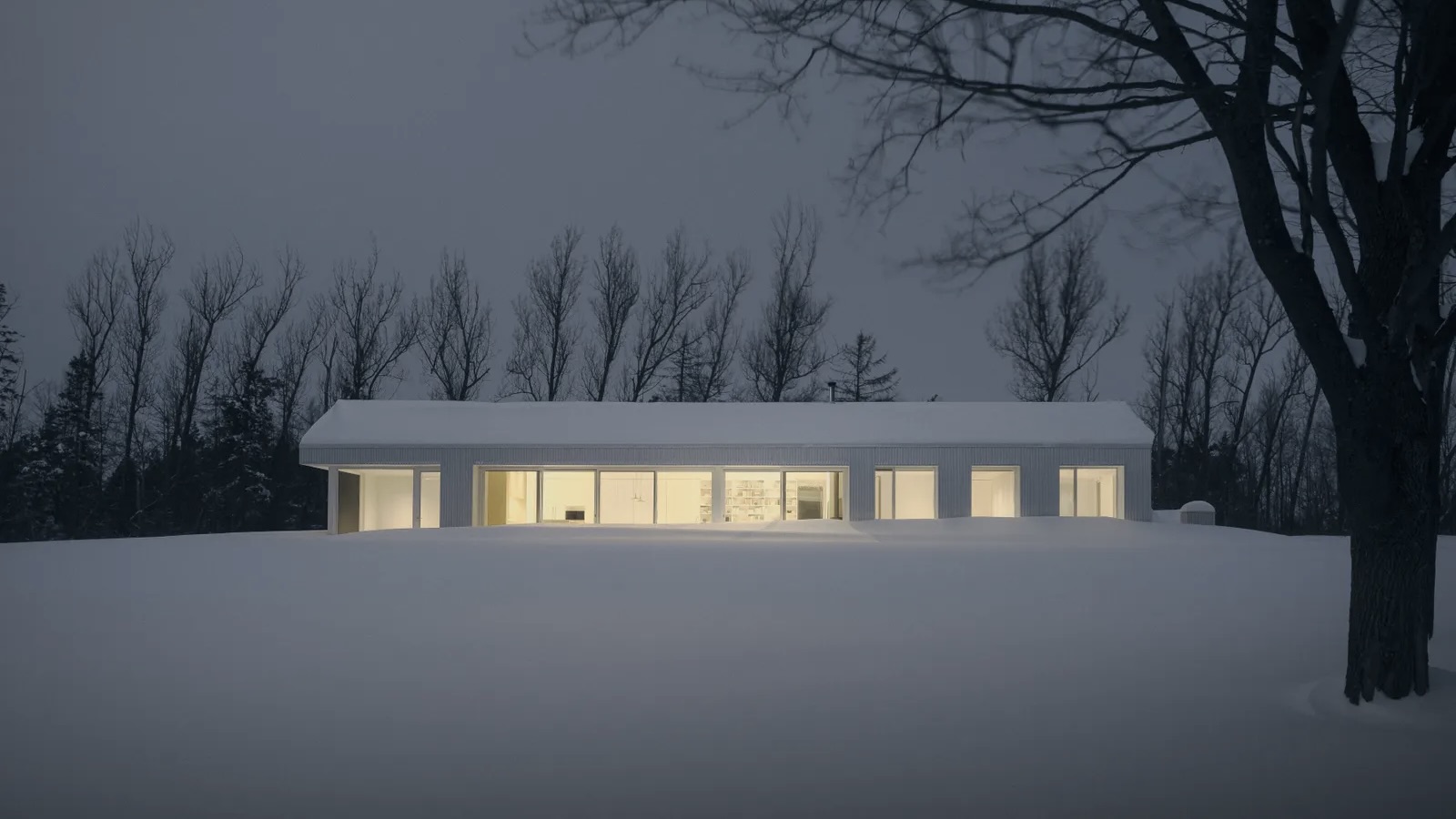 The Architecture Edit: Wallpaper’s houses of the month
From Malibu beach pads to cosy cabins blanketed in snow, Wallpaper* has featured some incredible homes this month. We profile our favourites below
-
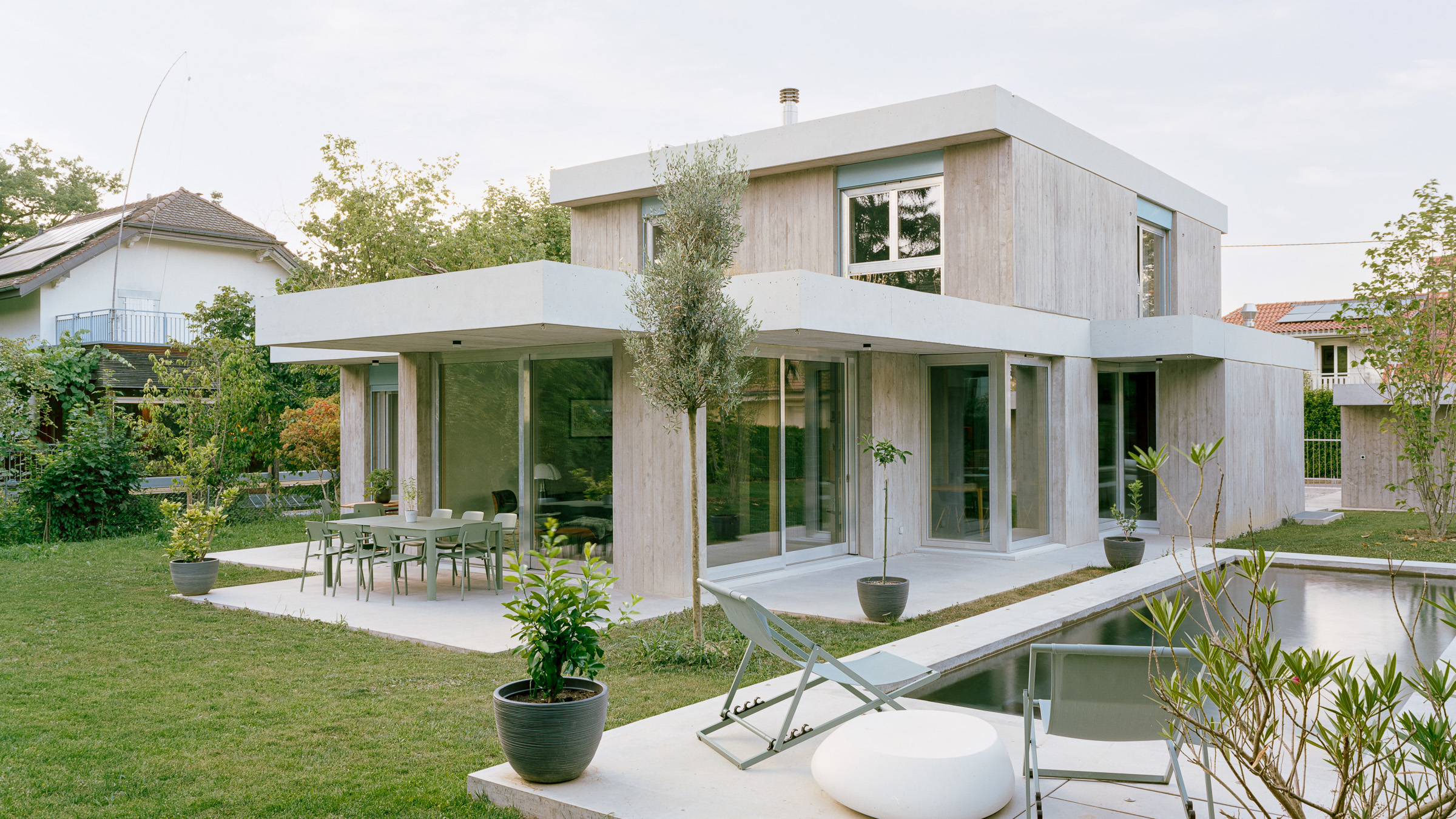 A neo-brutalist villa for an extended family elevates a Geneva suburb
Lacroix Chessex Architectes pair cost-conscious concrete construction with rigorous details and spatial playfulness in this new villa near Geneva
-
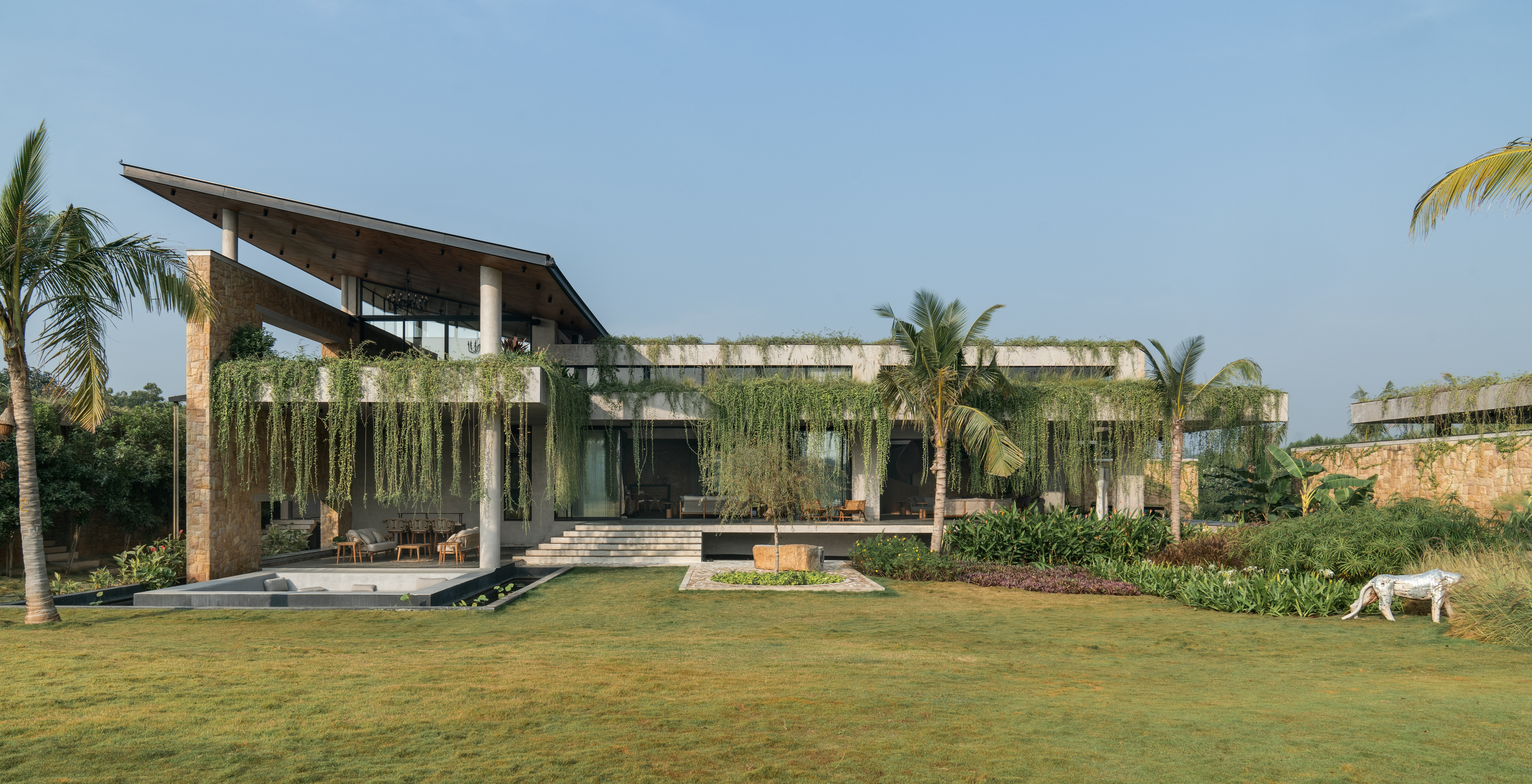 Cascading greenery softens the brutalist façade of this Hyderabad home
The monolithic shell of this home evokes a familiar brutalist narrative, but designer 23 Degrees Design Shift softens the aesthetic by shrouding Antriya in lush planting
-
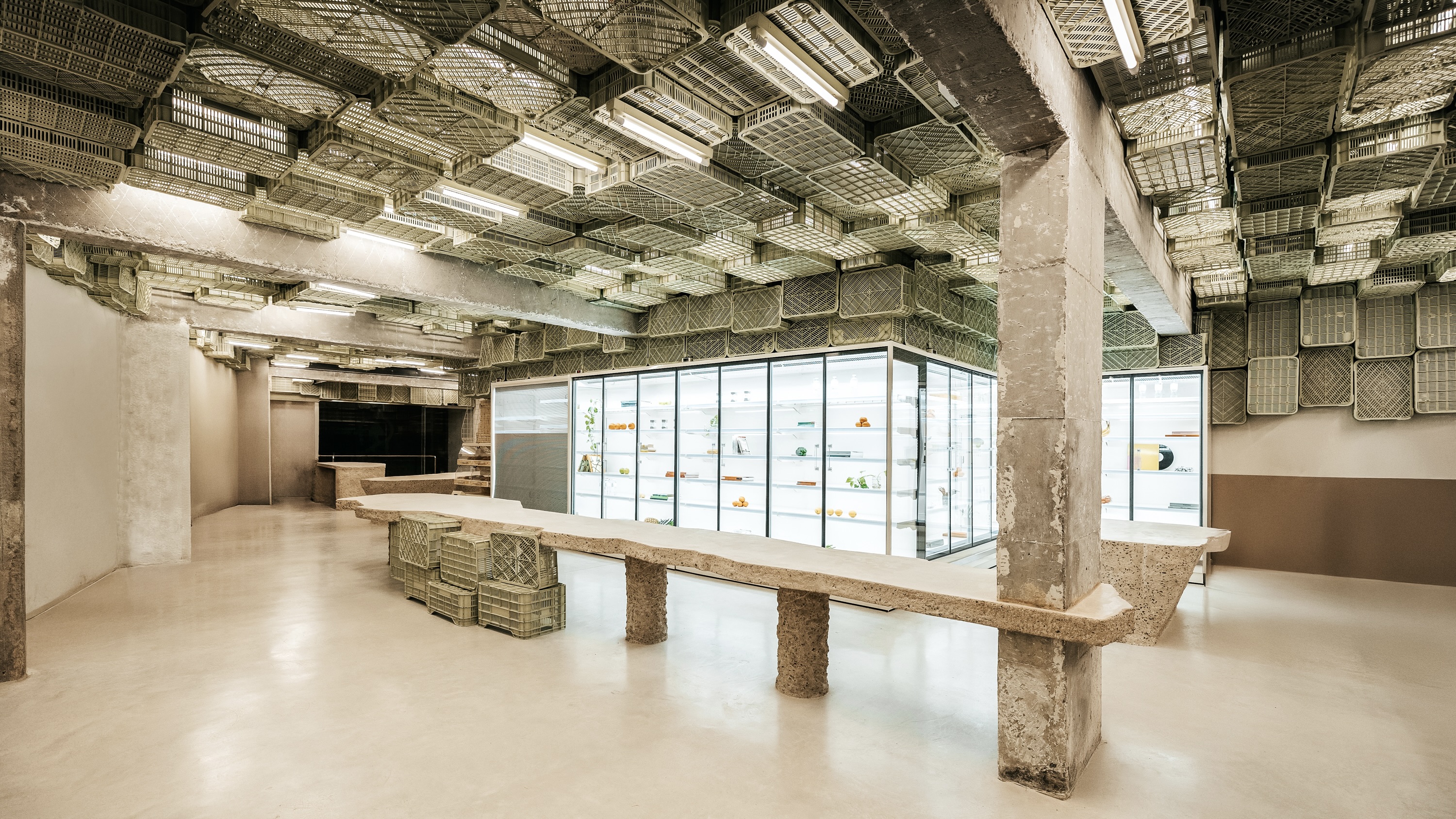 Spice up the weekly shop at Mallorca’s brutalist supermarket
In this brutalist supermarket, through the use of raw concrete, monolithic forms and modular elements, designer Minimal Studio hints at a critique of consumer culture


