In Partnership With Gucci
This past September, as part of Milan Fashion Week, Italian fashion house Gucci constructed a simulacrum of one of its stores within the city’s Allianz MiCo convention centre. The ambitious set provided the backdrop for Demna’s S/S 2027 runway show for the brand – models sauntered through the space as if on a particularly glamorous shopping trip – but the fantasy store’s design would also prove a teaser of the house’s new store concept, which coincides with the Georgian designer’s tenure (Demna began as artistic director of Gucci in 2025; this was his sophomore runway show).
‘The Store Show takes place across four rooms that envision the Gucci stores of the future,’ said a press release for the house at the time. Demna said he wanted the space to have a ‘monumental’ quality, a reflection of his debut runway show for the house, which saw him create a vast marble-clad ‘museum’ filled with recreations of ancient Roman statuary (the inspiration was the Uffizi Museum in Florence, which sits on the same piazza as Palazzo Gucci, the spiritual home of the brand). As such, there was a melange of stone, bronzite, Paonazzo marble and Ceppo di Gré; a vast spiralling staircase; and nods to ancient antiquity, from urns to stone frescoes, while high-pile carpets and vintage Italian furnishings cemented Gucci’s synonymy with luxury.

Details of the store interiors include high-pile carpets and vintage Italian furnishings
‘My first year at Gucci was dedicated to understanding and formulating what Gucci stands for,’ Demna wrote in a letter to guests. ‘The conclusion of my research is that Gucci stands for being rooted in the desire to belong to a more glamorous world, and in the audacity to remake that world in your own image.’
Now, this new store concept is being rolled out to real-world locations: first, with the recent opening of its 56 Avenue Montaigne flagship in Paris (the 1,480 sq m space is a paean to glamorous Milanese interiors, as well as the work of rationalist architect Piero Portaluppi), and now, with a new womenswear boutique in London department store Harrods. Spanning 109 sq m, the new space draws once again on Gucci’s Italian roots: here, design cues are borrowed not only from midcentury Milanese decor and rationalist architecture, but also from the ‘spatial logic of the Italian Renaissance palazzo’.

Demna's store displays encourage exploration
This Harrods space, located within ‘Women’s Superbrands’ on the first floor, has a more intimate feel than the Paris address, fostered through warmer walnut panelling and terrazzo finishes, paired with the more monolithic travertine and stone surfaces that have defined the concept elsewhere (‘a dialogue between precision and patina’ is how the house defines such juxtapositions). Collections are designed to be ‘embedded within the architecture, not simply arranged within it’, with products revealed to customers through displays that Gucci says encourage exploration (a similar mood is struck within the Paris store, where you discover the pieces through a series of smaller rooms and display cases, rather than the sparse, minimal settings of other contemporary fashion stores).

The space fosters an intimate feel with walnut panelling and terazzo finishes
The new space opened to the public on 13 November 2026, with the store concept continuing to roll out worldwide into 2027.
-
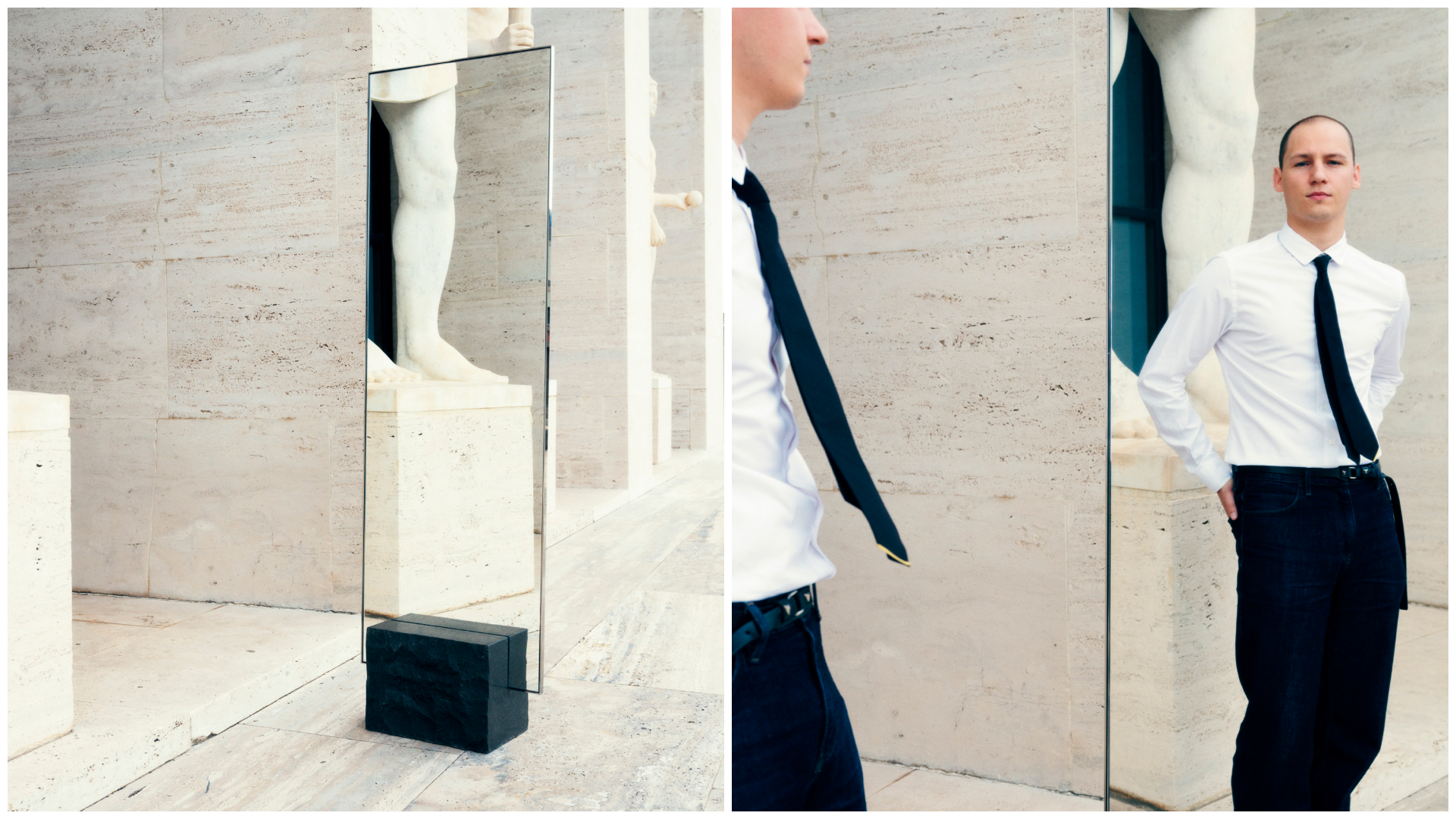 A furniture collection inspired by the streets of Rome
Gustav Craft, winner of the inaugural Fendi Design Prize, is paving the way for a bright future with a showcase at Design Miami 2026
-
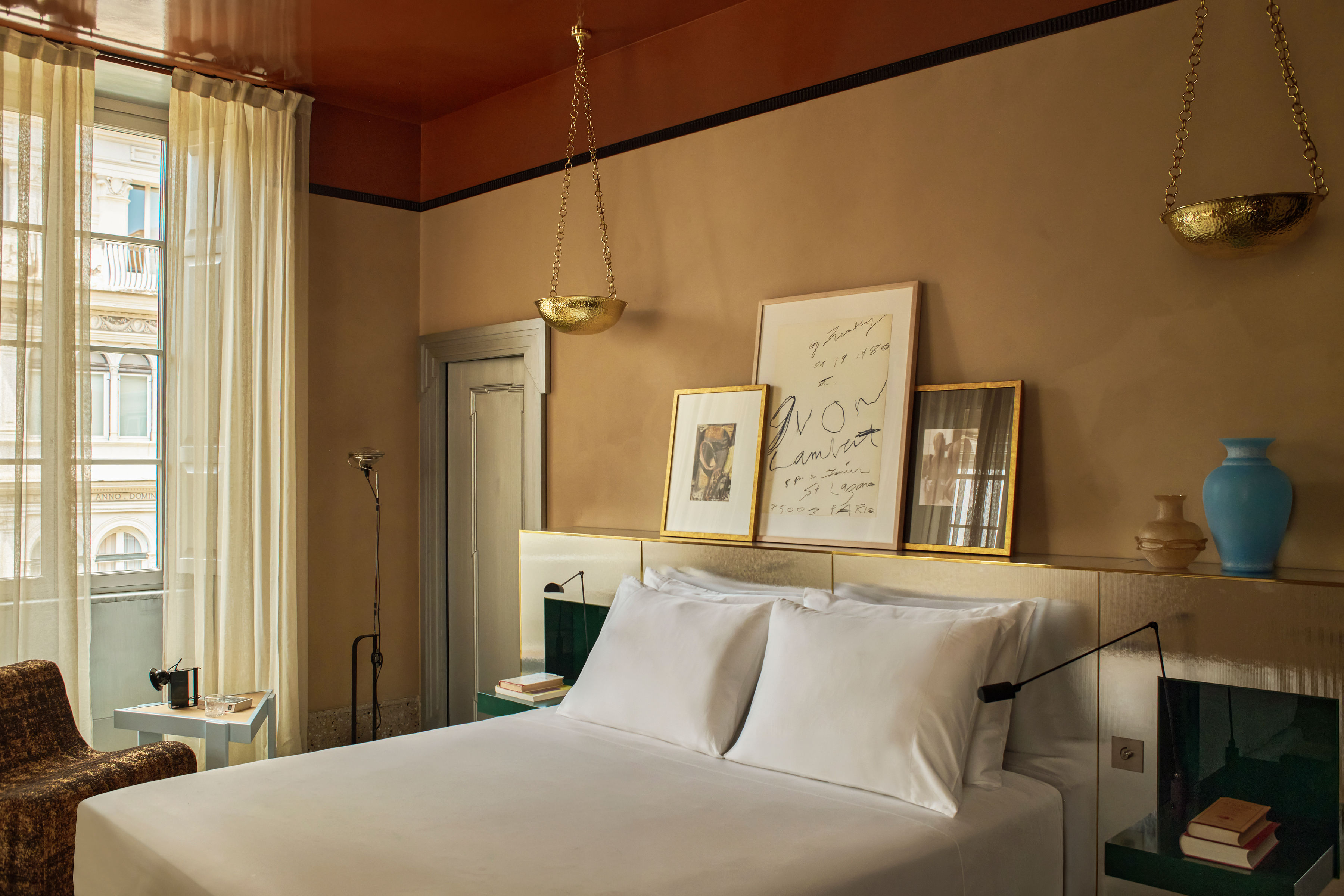 At the newly opened Experimental Roma, the colours and textures of Italian cinema make for a theatrical stay
Dive into the glamorous, make-believe world of Rodolphe Parente at the Experimental Roma
-
 Jiang Qiong Er’s 12 guardians of humanity plant love beside the Giza pyramids
Jiang Qiong Er’s installation in the Egyptian desert, ‘It is Time to Plant Love’, is part of the sixth edition of Forever is Now


-
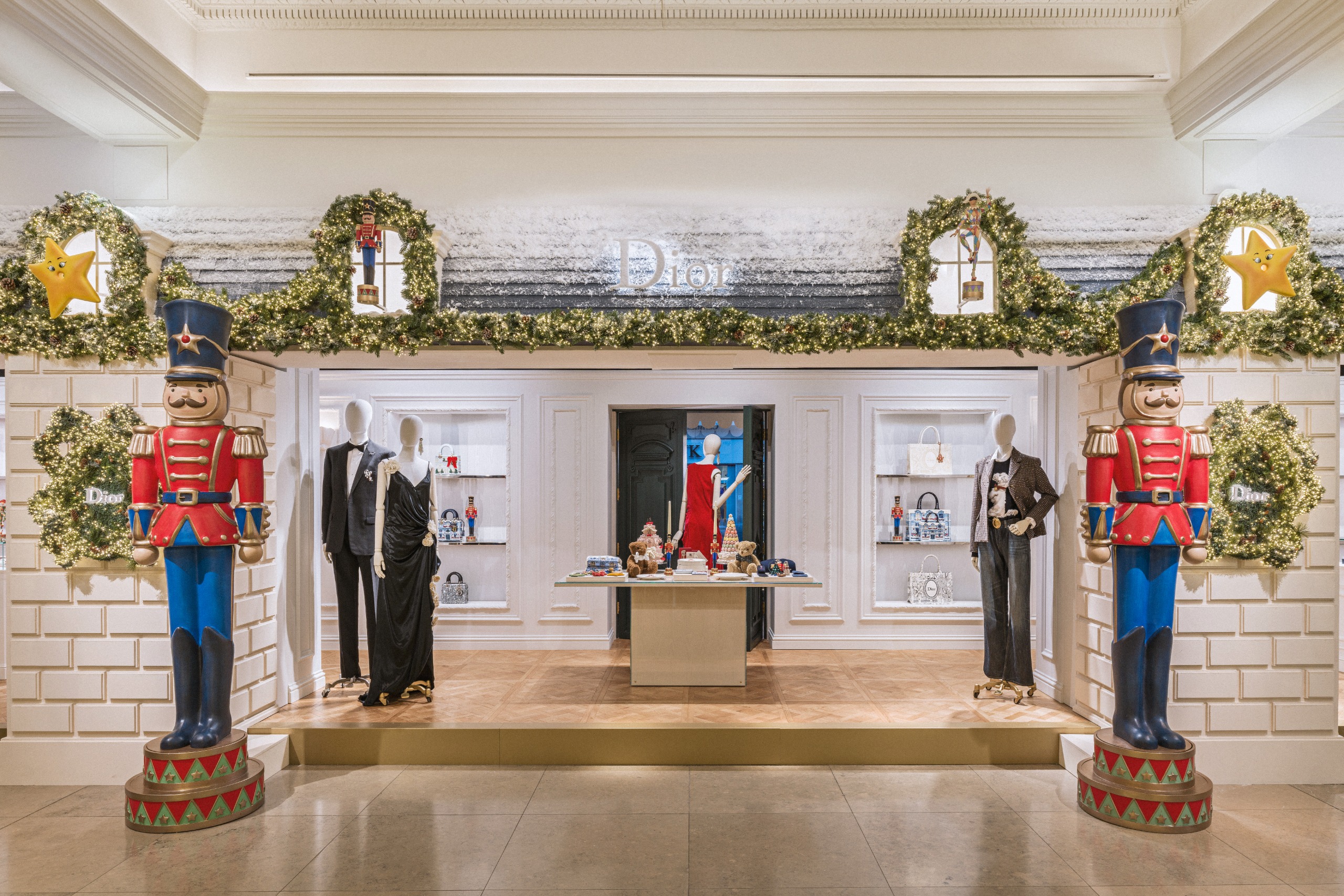 Inside Dior’s magical festive pop-up at Harrods, inspired by the house’s animated short ‘Christian Dior’s Night in Colour’
The pop-up continues Dior’s longstanding relationship with the London department store, which dates back to 1953, and draws inspiration from Academy Award-nominated director Sylvain Chomet’s animated film for the house, released last week
-
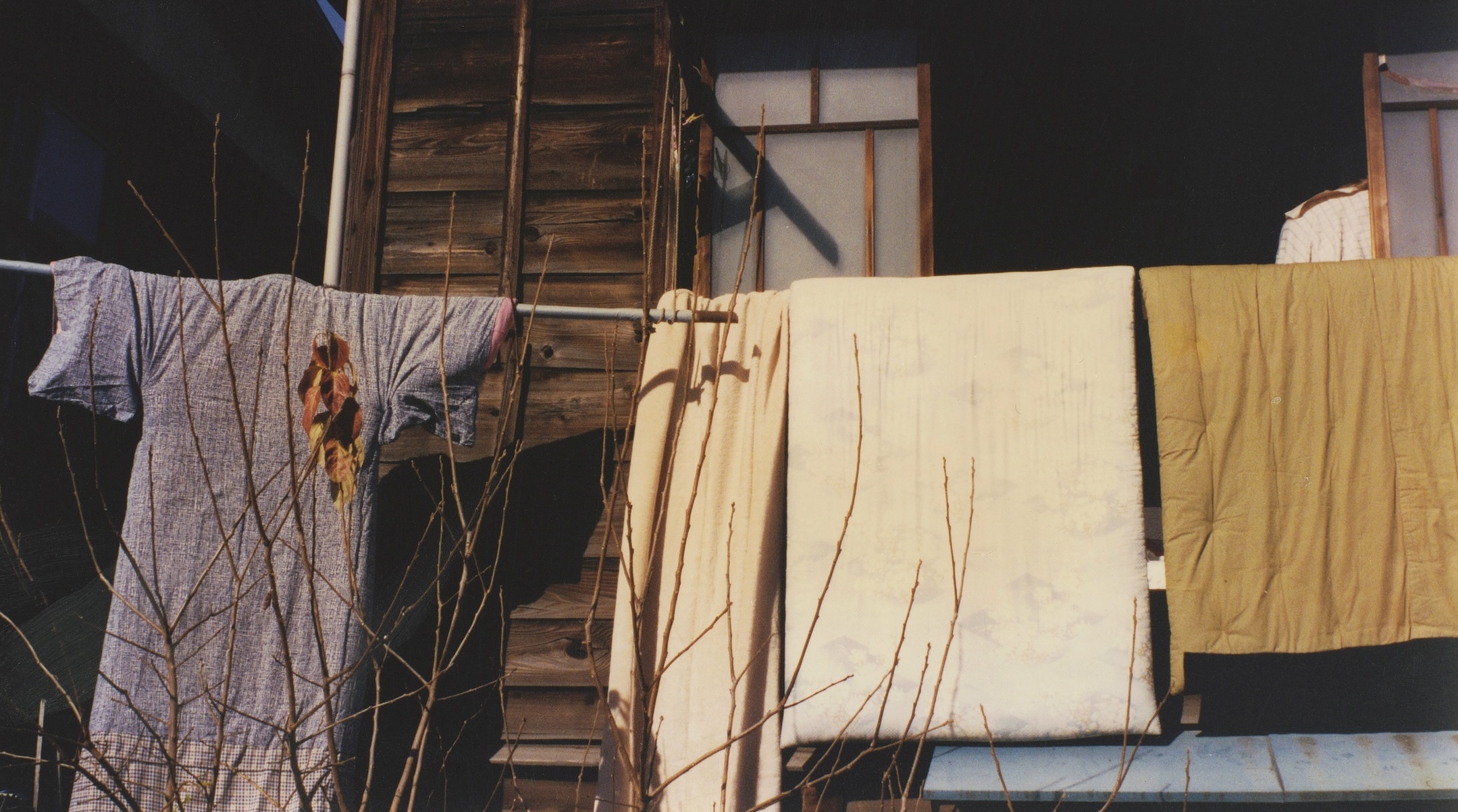 This year’s Margaret Howell calendar features the designer’s ‘unusual, beautiful’ personal photographs
‘Photographs by Margaret Howell’ is the title of the 2027 calendar and accompanying in-store exhibition, which offers an intimate insight into the British designer’s world
-
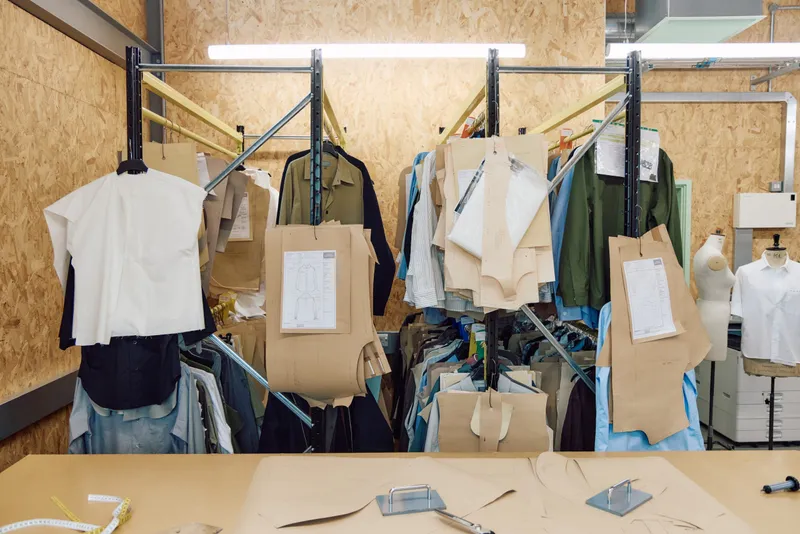
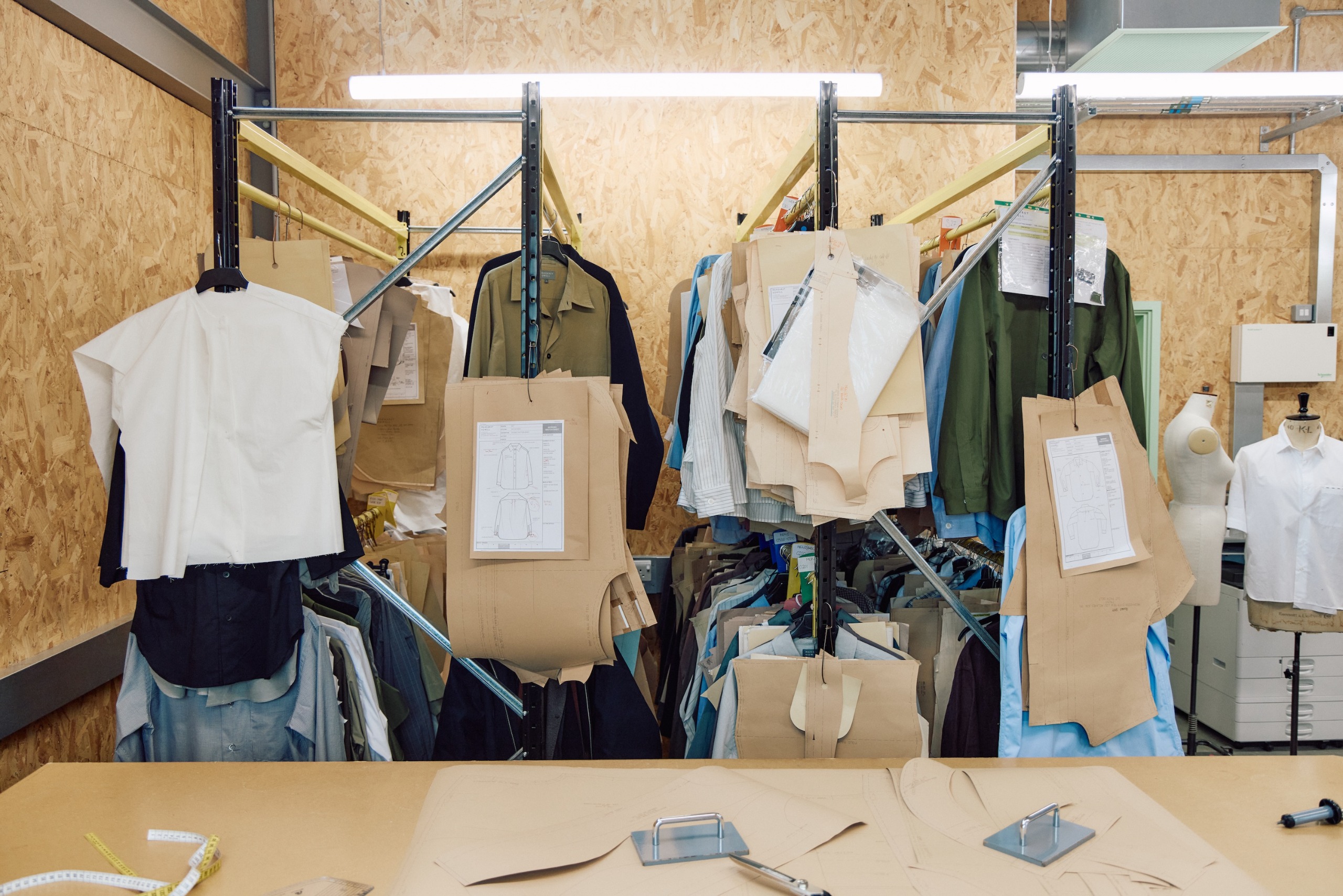 Inside Margaret Howell’s new London workroom, a temple to shirtmaking
The quintessential British designer’s new workroom has opened in north London. Wallpaper* takes a tour
-
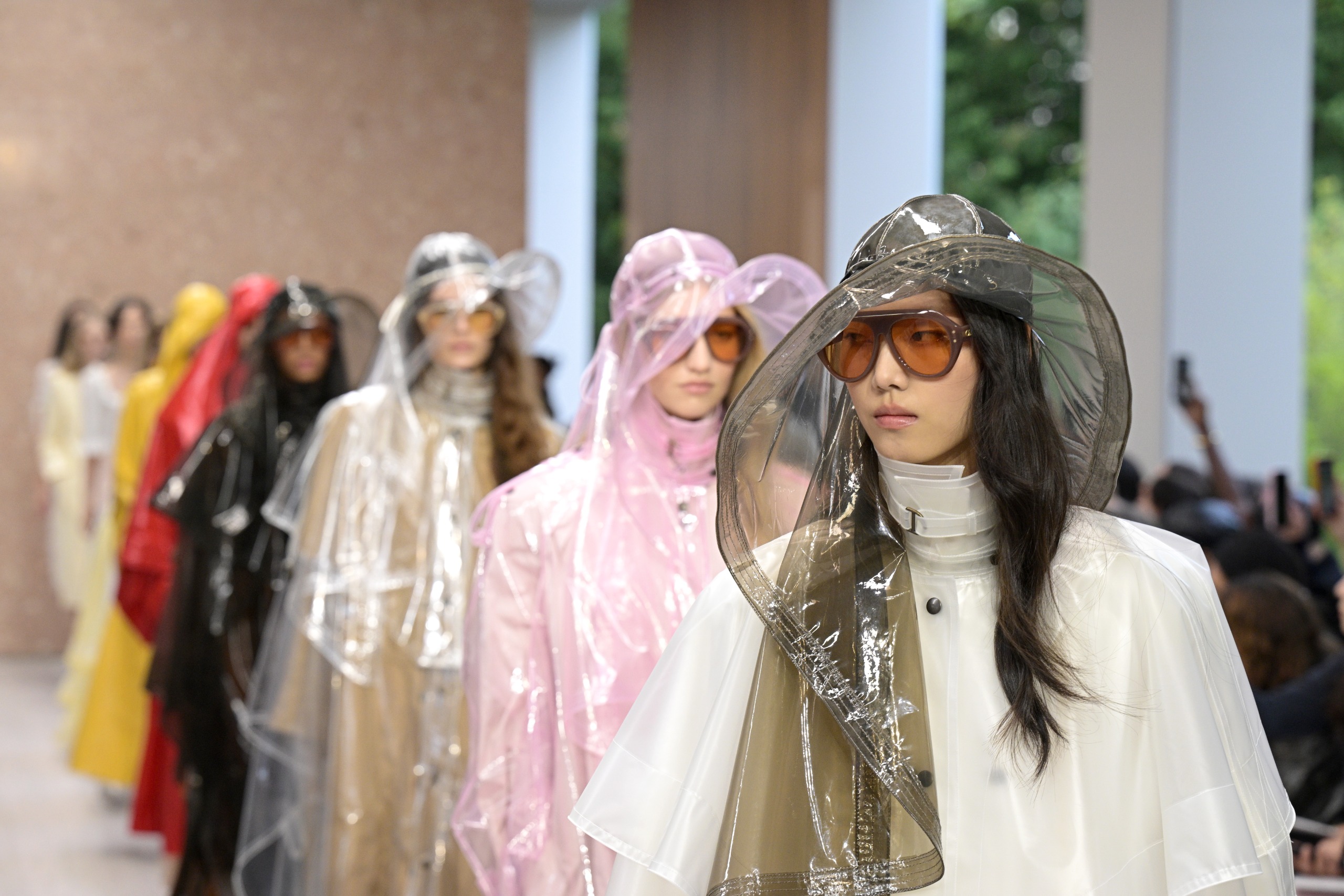 Fashion month’s most eye-catching accessories, from inside-out bags to rain hats
Wallpaper* picks the best accessories from the S/S 2027 womenswear shows, which unfolded in New York, London, Milan and Paris
-
 Frieze London 2026: all the fashion moments to look out for
The best fashion happenings to add to your Frieze London 2026 schedule, from Dunhill’s curation of talks at Frieze Masters to a Cerith Wyn Evans’ exhibition at JW Anderson’s Pimlico address
-
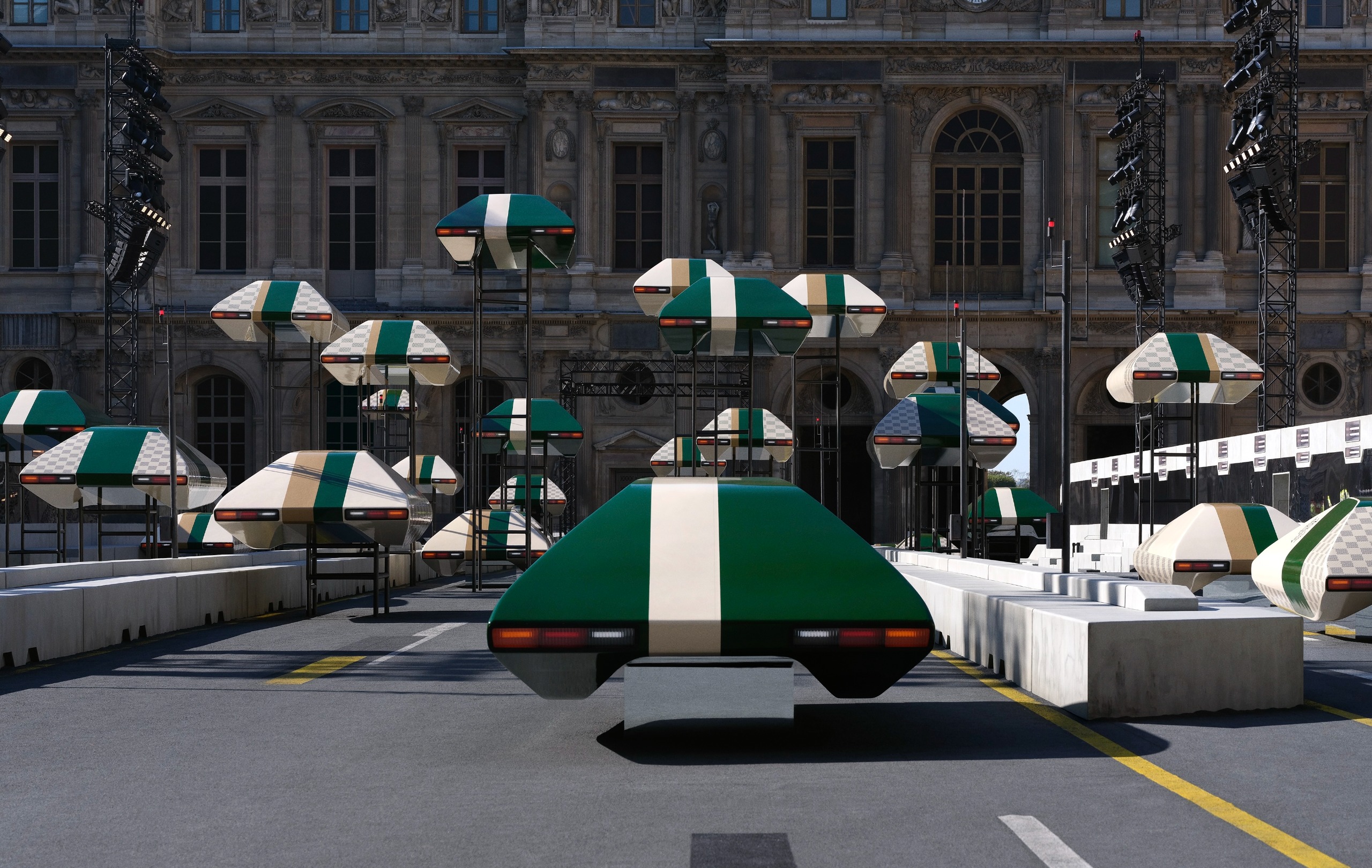 The architecture of fashion week: discover the standout show sets of S/S 2027
Fashion month, which concluded earlier this week, featured a typically imaginative array of runway sets, from Demna’s store-in-progress at Gucci to flying cars at Louis Vuitton. Here, Wallpaper* picks the best
-
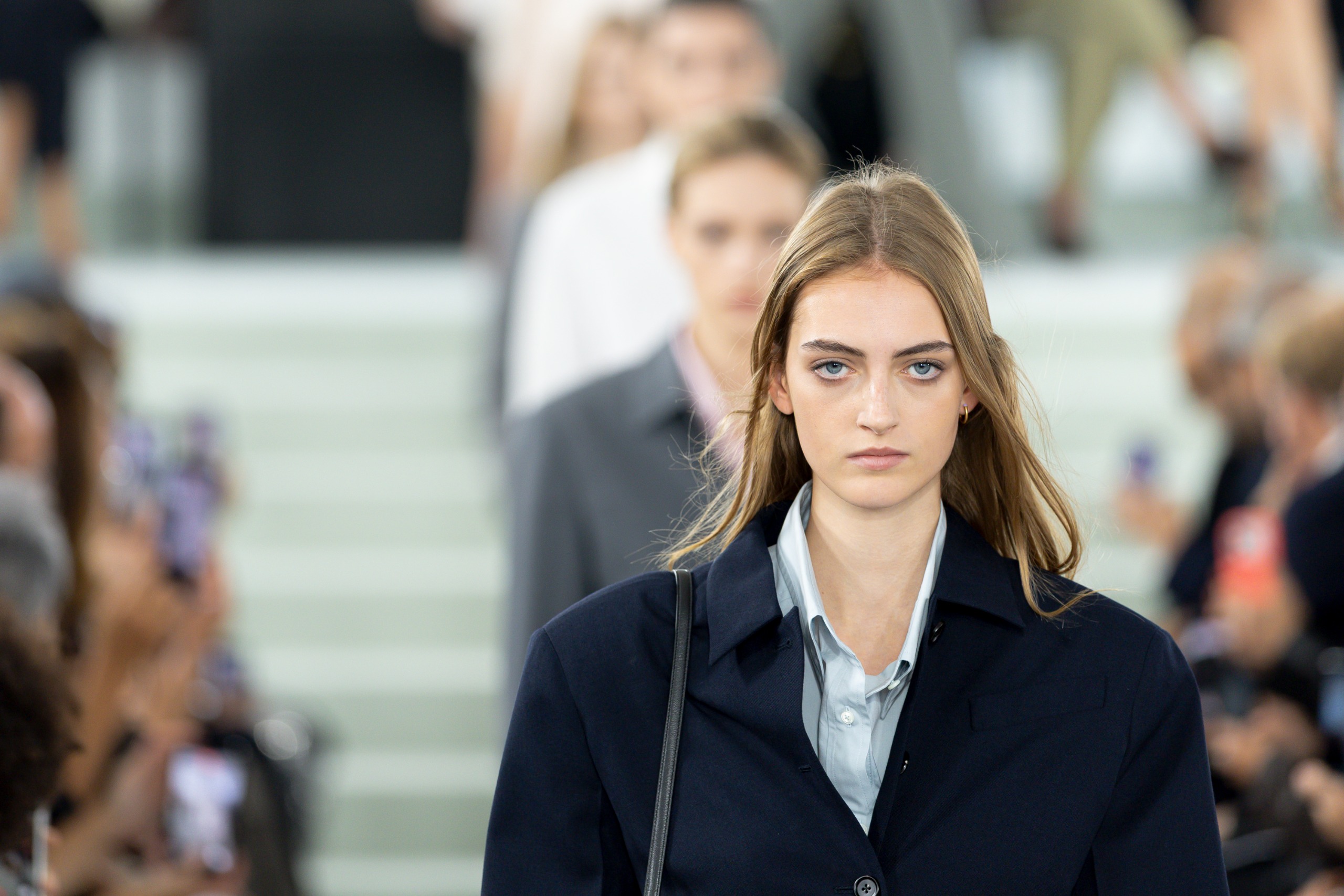 These were the best shows of Milan Fashion Week S/S 2027
From an interrogation of the skirt at Prada to Demna’s latest outing for Gucci, here are Wallpaper’s picks of the best of Milan Fashion Week, which concluded yesterday (27 September 2026)
-
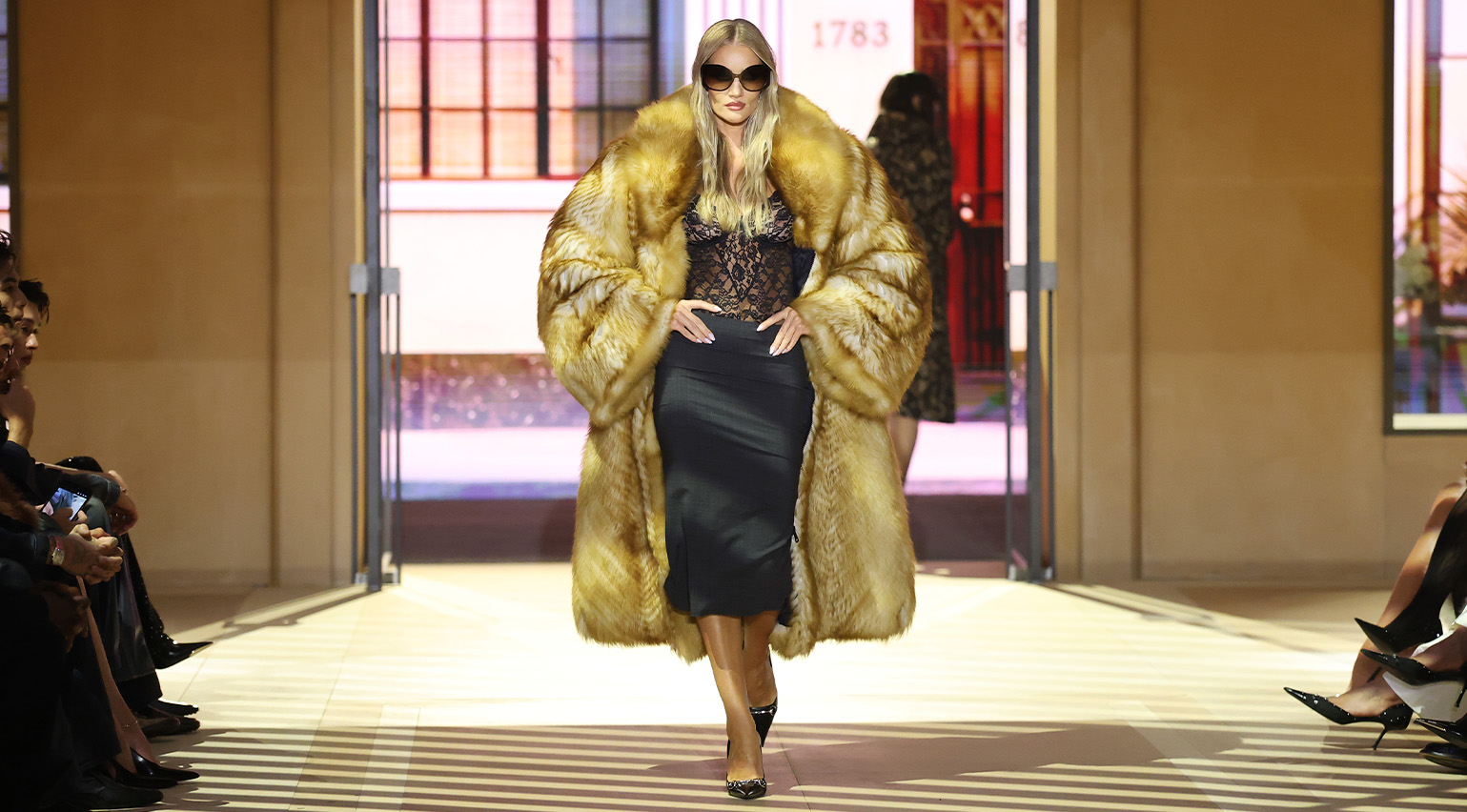 Demna opens up shop for his ‘quintessentially Gucci’ sophomore show
Taking place in a specially constructed Gucci ‘store’ that teased his new retail vision, Demna’s S/S 2027 show for the house, held in Milan this afternoon (25 September 2026), saw bourgeois dress codes meet a pulsating sex appeal