
The Rinascente department store stands on the complex, if not confusing, Piazza Fiume, just outside of Rome’s towering, ancient Aurelian Walls. It was designed by architect duo Franco Albini and Franca Helg between 1957-61 and has long been one of the city’s modernist marvels. So the task of updating the building for today’s exacting retail requirements while keeping the main six floors of shop space open was 'fairly complex on a practical level', says Ippolito Pestellini Laparelli, likening the works to a leopard’s spots. He is founder of 2050+, the Milan-based interdisciplinary design agency that has overseen the revamp and redesign of Rinascente’s distinctive façades as well as the rooftop level and the new lift to service it.

Redesigning La Rinascente Piaza Fiume
'It is a restoration project,' explains Pestellini Laparelli, 'but restoration of the modern,' emphasising some of elements that straddle the line between reinstating what was in Albini and Helg’s original design, and going further by interpreting their architectural intent and introducing unashamedly new features.

Transparency is a key theme in which 2050+ has gone back to the original drawings, says the architect, who previously was a partner at OMA in Rotterdam. Large shop windows on the ground floor recall the original parallelepiped (sometimes called rhomboid) shaped glass, allowing sight lines straight in (and out) as a way to celebrate the frenetic consumerism taking place. Similarly, Albini and Helg’s glass wall façade exposing the criss-crossing escalators within has been brought back. 'It was a moment when modernism celebrated the flows and the fluxes of people and of things,' says Pestellini Laparelli, 'a sort of celebration of the beginning of globalisation.'

But he is emphatic that this is not a nostalgic restoration project. Indeed, there is much more at play here than reviving the transparency that constant adaptation had obscured over the decades. 'Being modern is about embodying and transforming, rather than simulating an attitude,' reads the studio’s communication of the project, explaining an approach that uses ‘targeted interventions’ to strike a balance between restoration and transformation.

'Modernist maestros such as Albini and Helg had a very dynamic relationship with the past,' continues Pestellini Laparelli, pointing to midcentury contemporaries of the Rinascente designers, studios such as those of Gio Ponti and BBPR. And so 2050+ has installed a new lift to the side of the building that connects the street level directly with a new panoramic top-floor food court and restaurant. The geometry of the shaft structure, says its designer, mimics Albini and Helg’s never-realised car lift to rooftop parking, creating what would have been a building that was ‘a machine for shopping’ (see 1957 model).

Reyner Banham, in his 1969 book The Architecture of the Well-Tempered Environment, describes the Piazza Fiume building as 'a technological architecture for a historical context'. This quintessentially modern typology lends itself to innovation but the harmonious juxtaposition with the surrounding ancient city does not fail to impress to this day. Indeed, perhaps it is the avant-garde nature of Albini and Helg’s design legacy (a young Renzo Piano was Albini’s intern at the time) that had the biggest impact on the current project.

‘Paradoxically our project is uncomplicated in design,’ concludes Pestellini Laparelli, ‘mainly thanks to the sophistication of the original architecture.' Dynamic and without nostalgia, complex while offering simple flexibility, the 2050+ Rinascente revamp, like Albini and Helg’s original project, feels convincingly contemporary.


-
 Year in review: the shape of mobility to come in our list of the top 10 concept cars of 2025
Concept cars remain hugely popular ways to stoke interest in innovation and future forms. Here are our ten best conceptual visions from 2025
-
 These Guadalajara architects mix modernism with traditional local materials and craft
Guadalajara architects Laura Barba and Luis Aurelio of Barbapiña Arquitectos design drawing on the past to imagine the future
-
 Robert Therrien's largest-ever museum show in Los Angeles is enduringly appealing
'This is a Story' at The Broad unites 120 of Robert Therrien's sculptures, paintings and works on paper


-
 Modernist Palazzo Mondadori’s workspace gets a playful Carlo Ratti refresh
Architect Carlo Ratti reimagines the offices in Palazzo Mondadori, the seminal work by Brazilian master Oscar Niemeyer in Milan
-
 Wang Shu and Lu Wenyu to curate the 2027 Venice Architecture Biennale
Chinese architects Wang Shu and Lu Wenyu have been revealed as the curators of the 2027 Venice Architecture Biennale
-
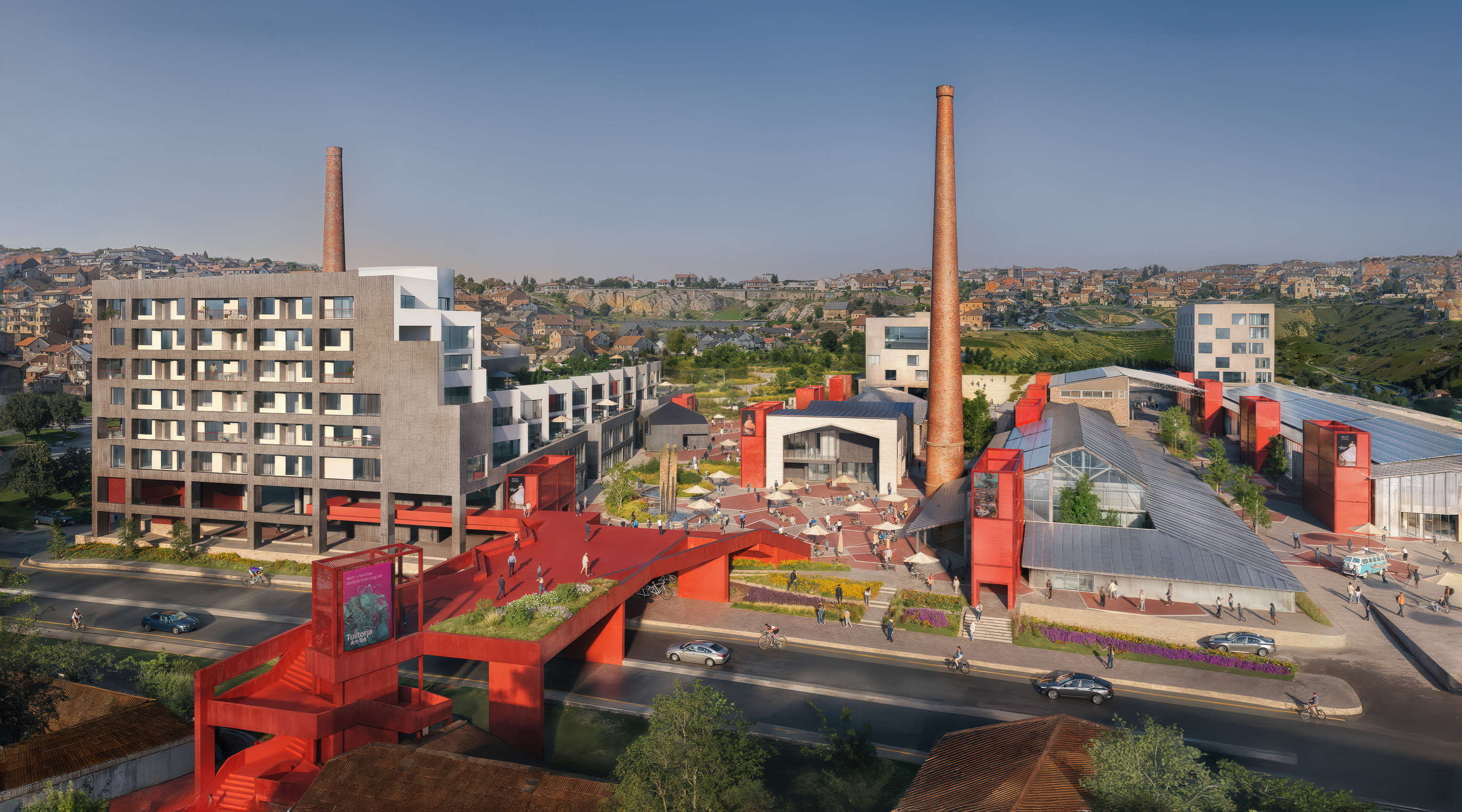 At the Holcim Foundation Forum and its Grand Prizes, sustainability is both urgent and hopeful
The Holcim Foundation Forum just took place in Venice, culminating in the announcement of the organisation's Grand Prizes, the projects especially honoured among 20 previously announced winning designs
-
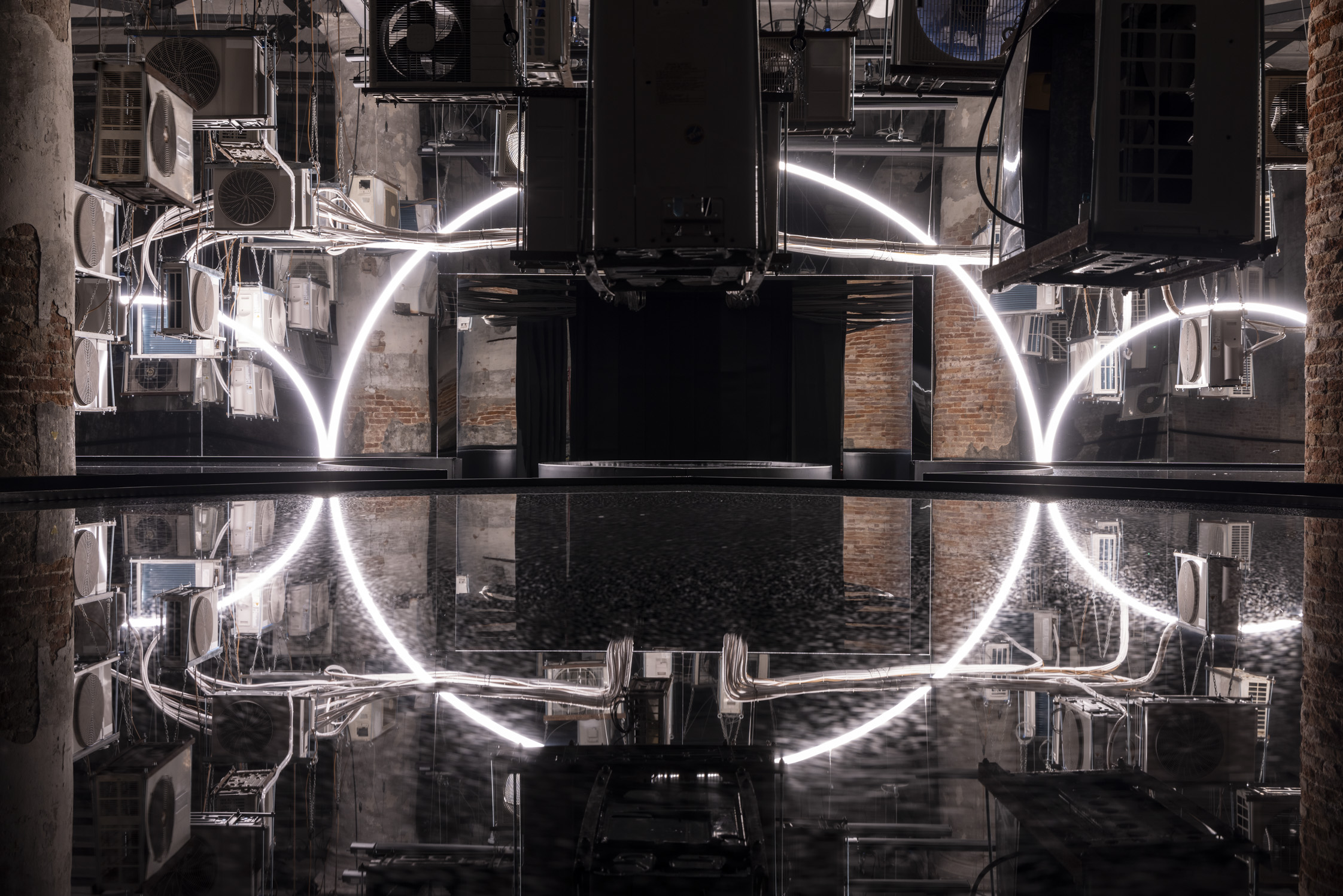 Carlo Ratti reflects on his bold Venice Architecture Biennale as it closes this weekend
The Venice Architecture Biennale opens with excitement and fanfare every two years; as the 2025 edition draws to a close, we take stock with its curator Carlo Ratti and ask him, what next?
-
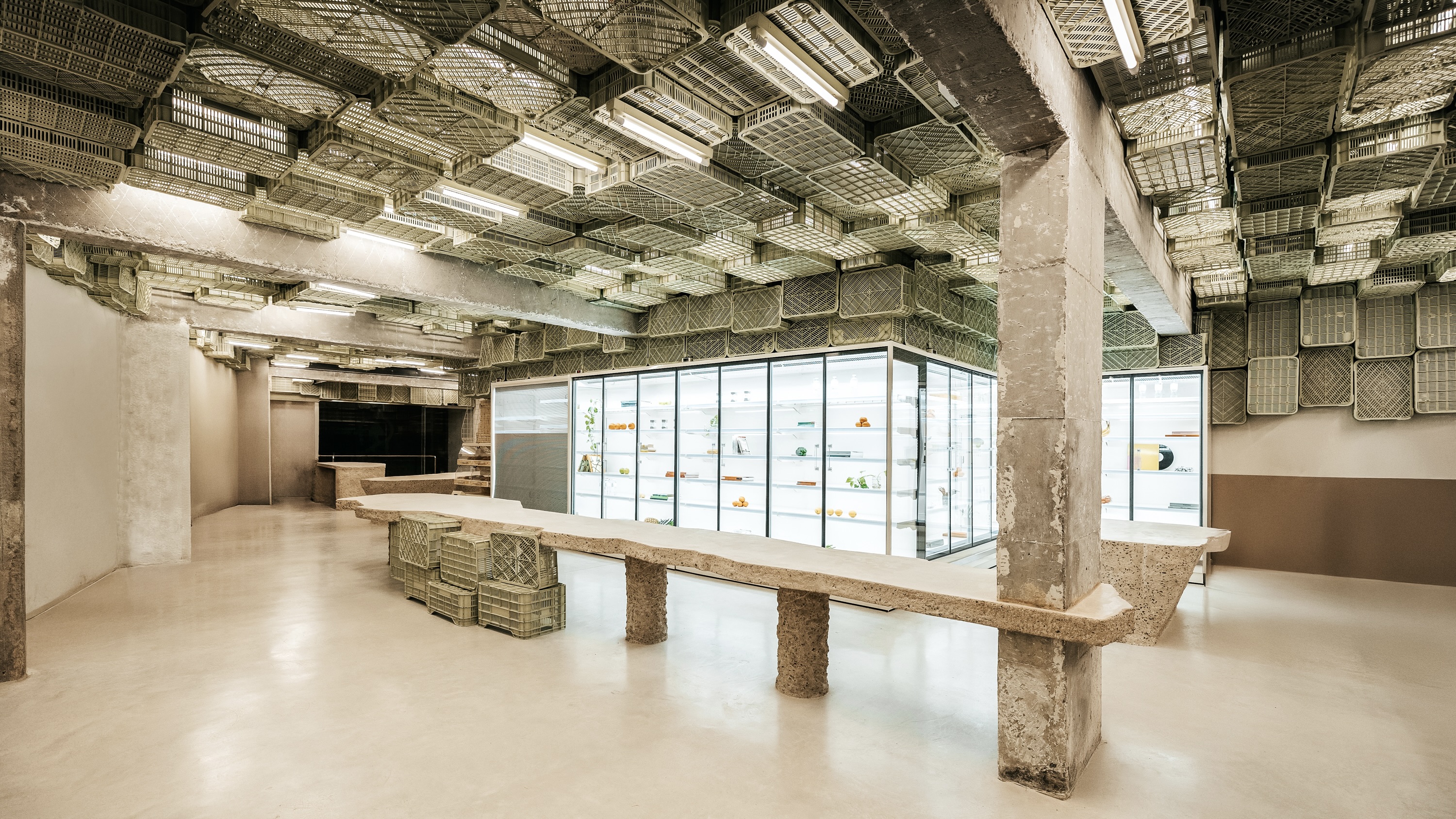 Spice up the weekly shop at Mallorca’s brutalist supermarket
In this brutalist supermarket, through the use of raw concrete, monolithic forms and modular elements, designer Minimal Studio hints at a critique of consumer culture
-
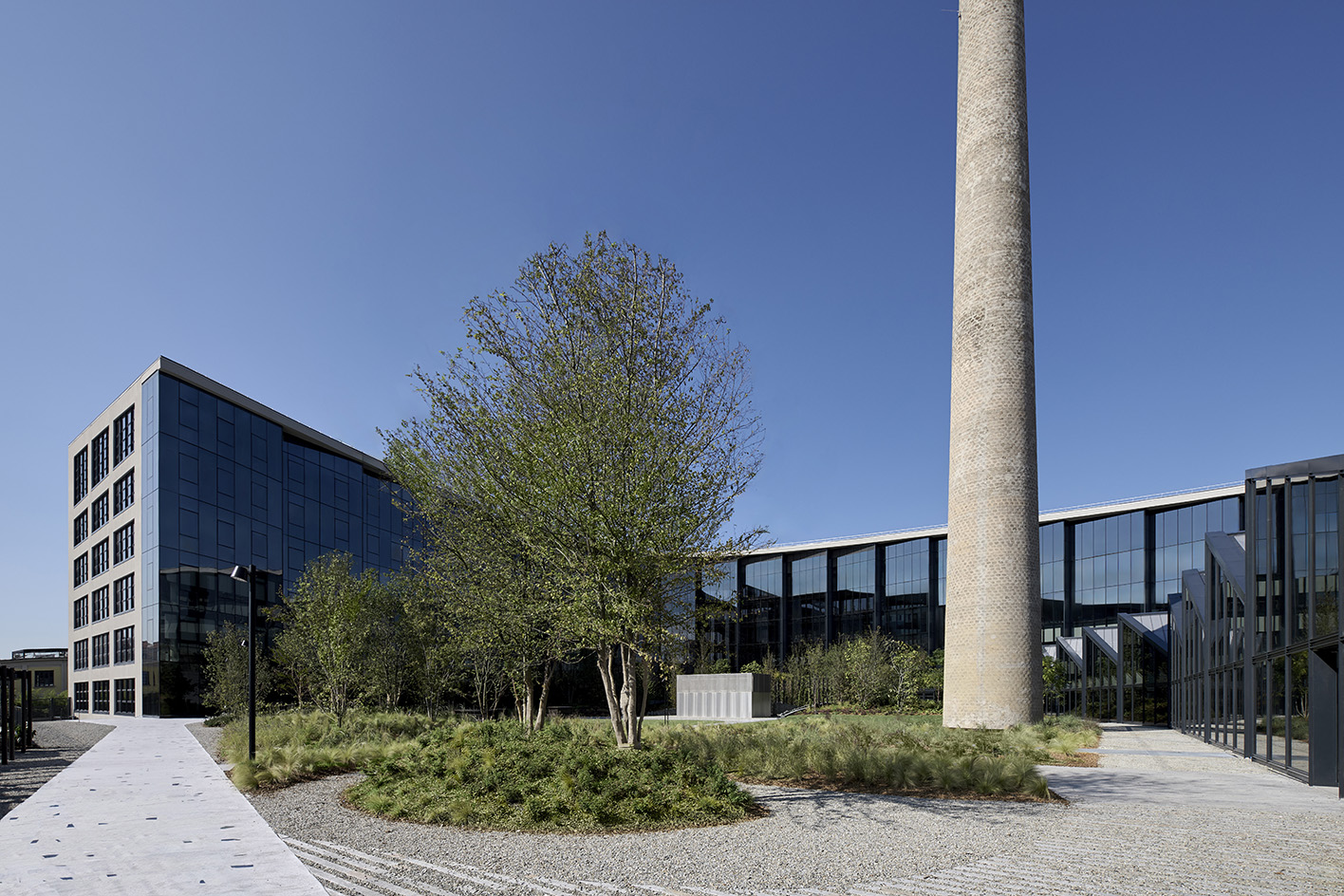 Step inside Casa Moncler, the brand’s sustainable and highly creative Milanese HQ
Casa Moncler opens its doors in a masterfully reimagined Milanese industrial site, blending modern minimalism and heritage, courtesy of ACPV Architects Antonio Citterio Patricia Viel
-
 Aldo Frattini Bivouac is a mountain shelter, but not as you know it
A new mountain shelter on the northern Italian pre-Alp region of Val Seriana, Aldo Frattini Bivouac is an experimental and aesthetically rich, compact piece of architecture
-
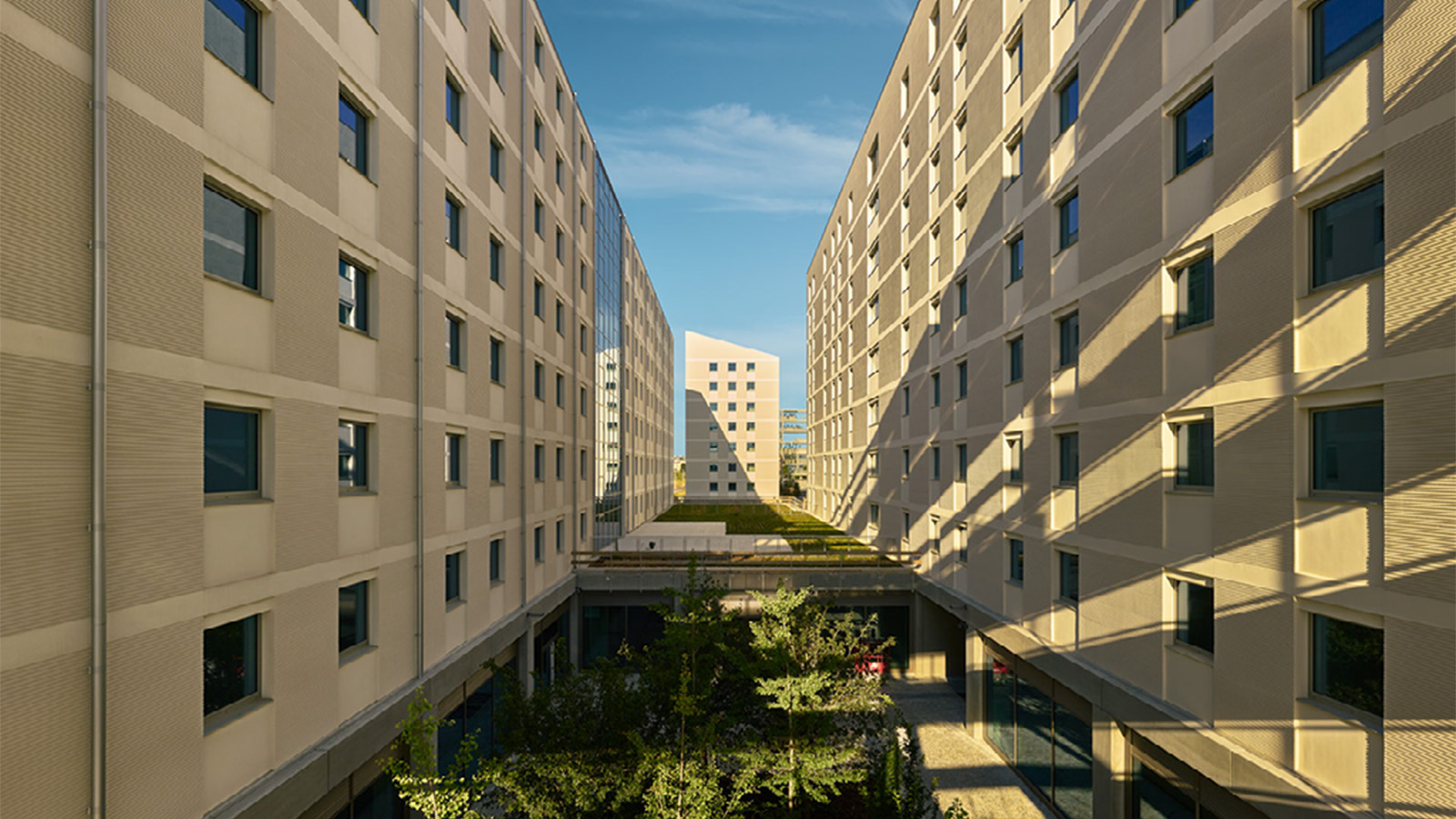 The 2026 Winter Olympics Village is complete. Take a look inside
Ahead of the 2026 Winter Olympics, taking place in Milan in February, the new Olympic Village Plaza is set to be a bustling community hub, designed by Skidmore, Owings & Merrill


