
The beautiful but historical frontage of a period building in Melbourne does not reveal the feast of geometries, concrete brutalist architecture and monochromatic minimalism that unfolds beyond it. This is Colonnade House, the dramatic reimagining of an existing family home, courtesy of local architecture and design studio Splinter Society.
‘Colonnade House emerged from a brief for a large family home that respected, but was distinctly different from, their existing federation home,’ say the architects (federation referring to the style of Australian homes built in the decades either side of 1900). An extension and the complete redesign of the existing space behind the historical front façade have done just that, marking a distinct departure from any period styles and declaring a clean, minimalist presence through a sharp geometric composition, which fully reveals itself on the rear elevation.
Meanwhile, a concrete colonnade, which delineates the dining area inside and creates vertical views out towards the garden, lends the house its name. This distinctive feature runs through the side of the extension, adding sculptural architecture and textured surfaces among the owners' carefully placed art collection.

Inside, the architects created a sophisticated colour and material palette comprising shades of white and grey, and textures of concrete, poured in situ. The reimagining of the interior goes significantly beyond aesthetic adjustments. Dark, closed and disconnected rooms were opened up, views through areas and towards the outdoors were created or enhanced, and new and old were woven together artfully into a contemporary whole.
The materials also help navigate the relationship between the old and new parts of the house, the architects explain: ‘In creating a dialogue with the elegant heritage home, the addition is a modern adaptation of its distinct original characteristics. Where the old is adorned with decorative details, the new contains a restrained, modern decorative grain of refined steel, timber, render and tile detailing.'
Practical, but equally important updates to the historical structure include new insulation, double glazing throughout and strategically placed openings that encourage natural ventilation. An energy approach based on passive principles is bolstered through the use of solar hot water, water tanks and photovoltaic panels.


INFORMATION
-
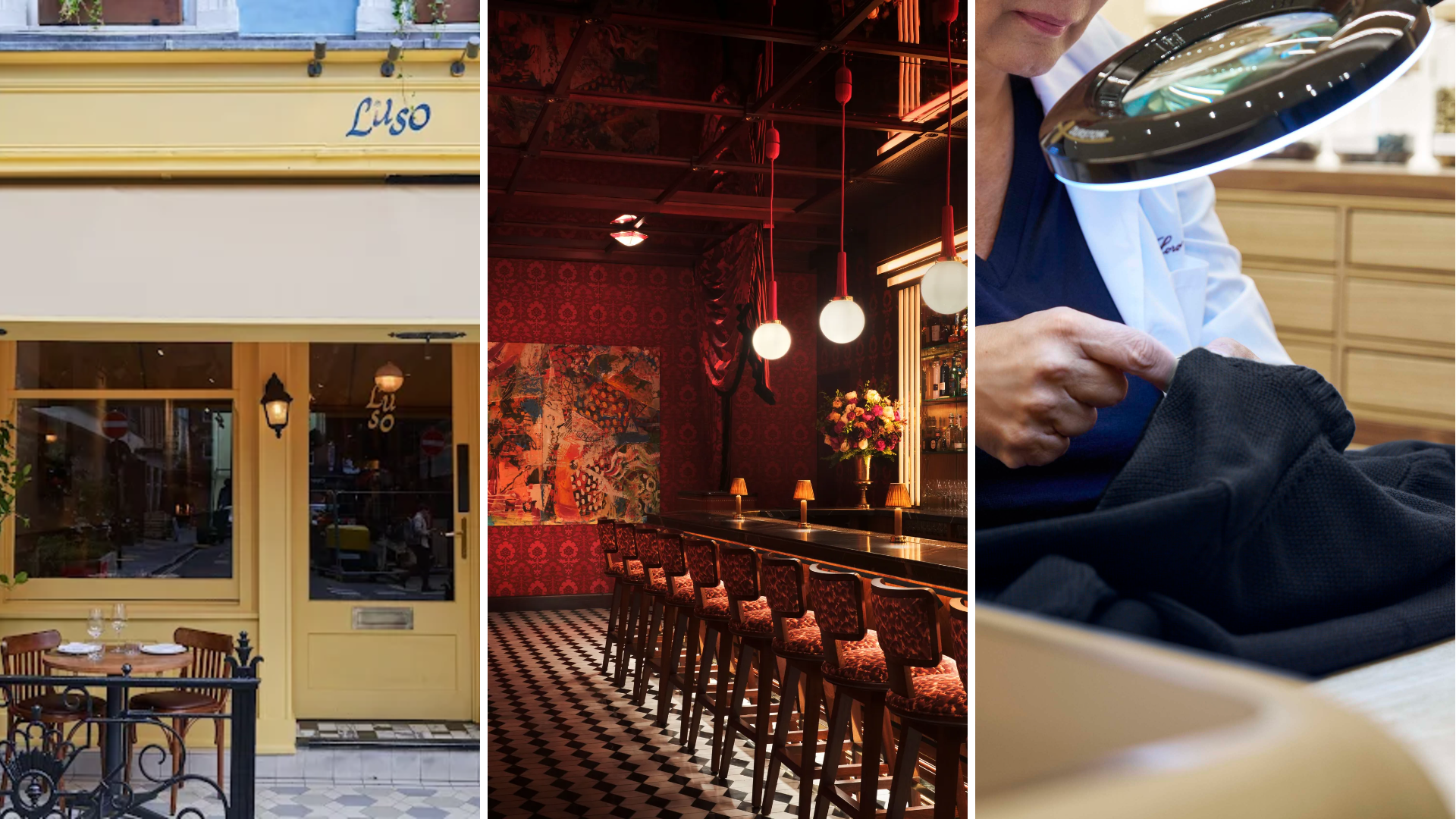 Out of office: The Wallpaper* editors’ picks of the week
'Tis the season for eating and drinking, and the Wallpaper* team embraced it wholeheartedly this week. Elsewhere: the best spot in Milan for clothing repairs and outdoor swimming in December
-
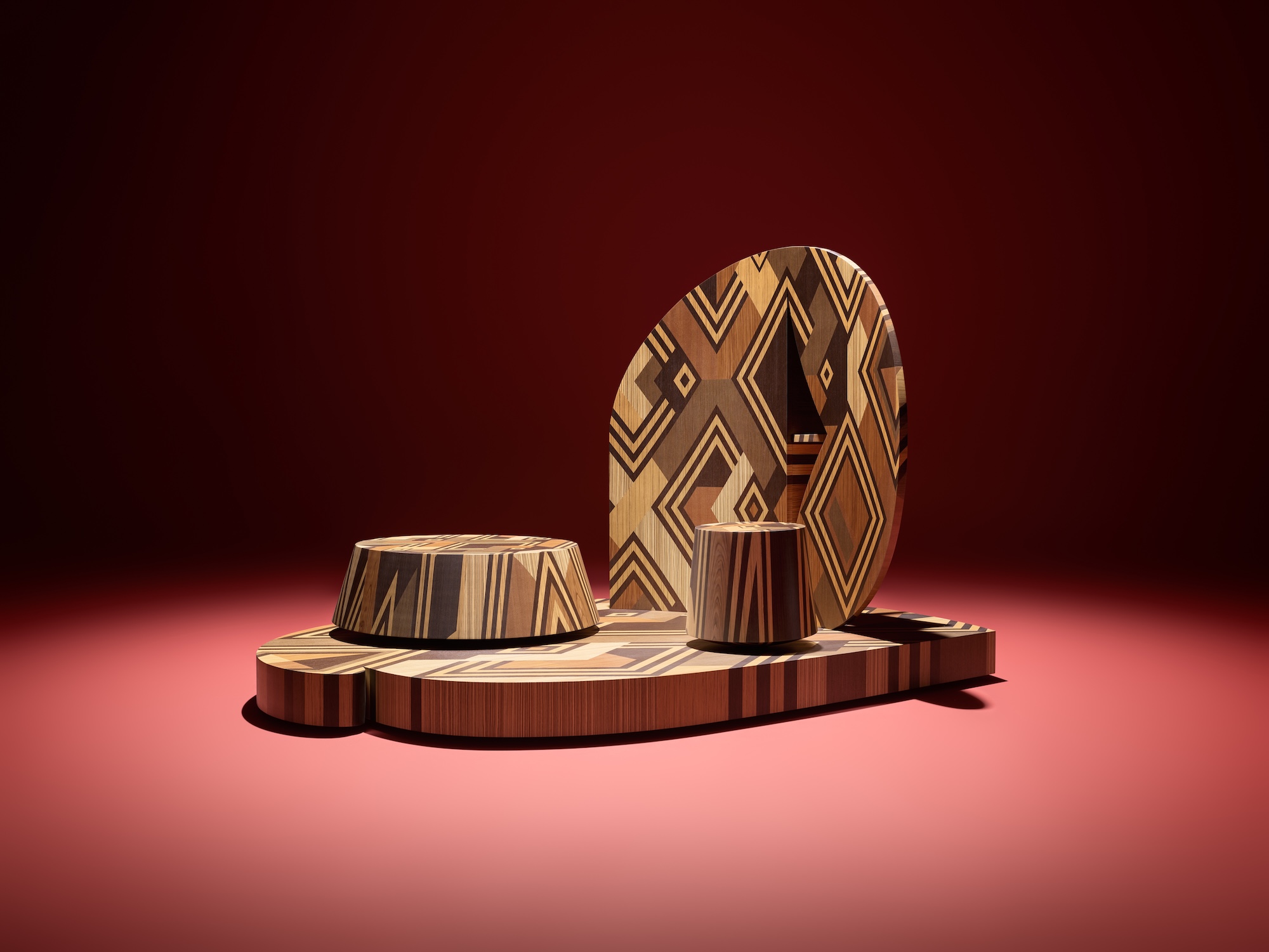 How Stephen Burks Man Made is bringing the story of a centuries-old African textile to an entirely new audience
After researching the time-honoured craft of Kuba cloth, designers Stephen Burks and Malika Leiper have teamed up with Italian company Alpi on a dynamic new product
-
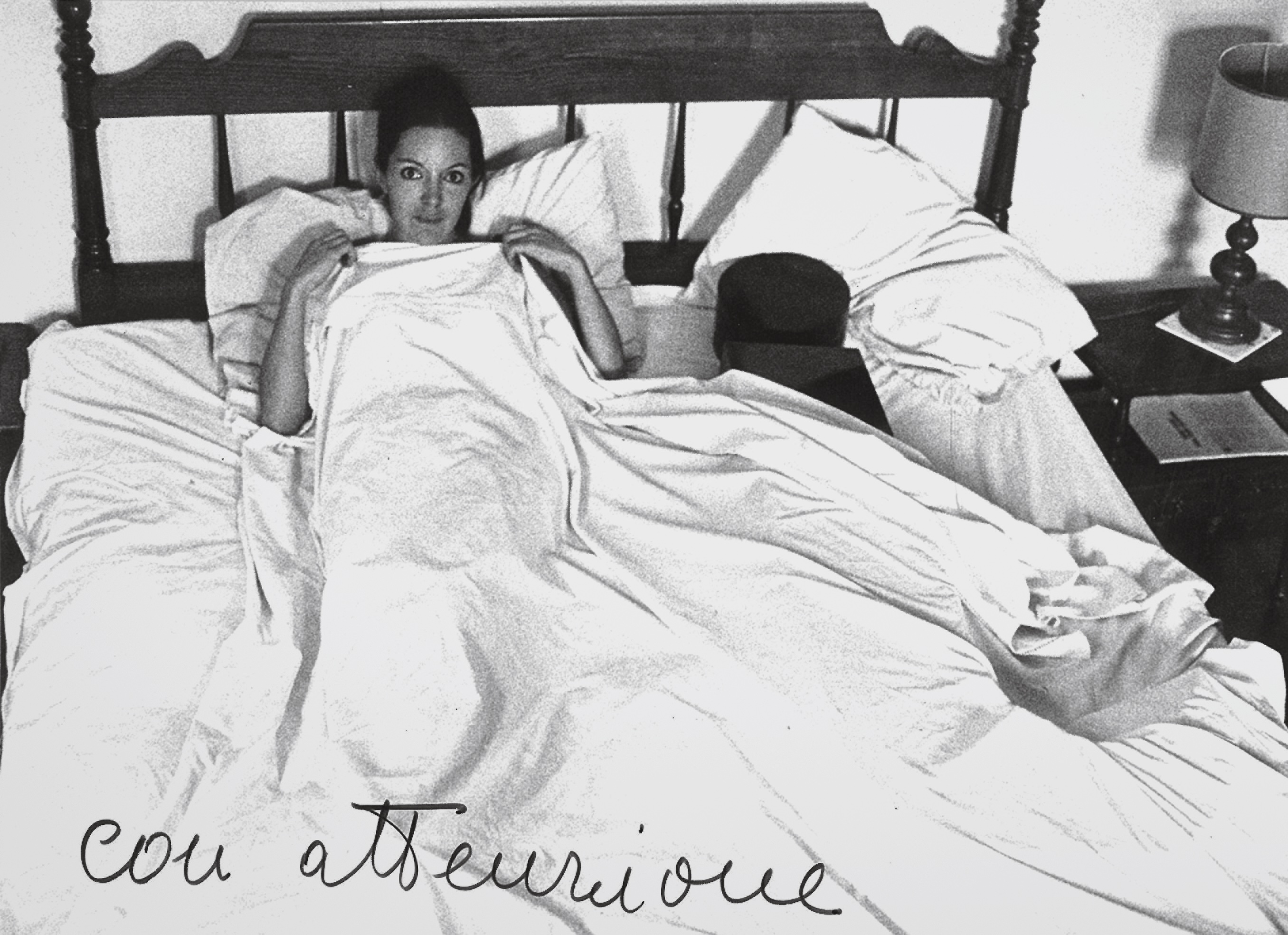 Valie Export in Milan: 'Nowadays we see the body in all its diversity'
Feminist conceptual artists Valie Export and Ketty La Rocca are in dialogue at Thaddaeus Ropac Milan. Here, Export tells us what the body means to her now


-
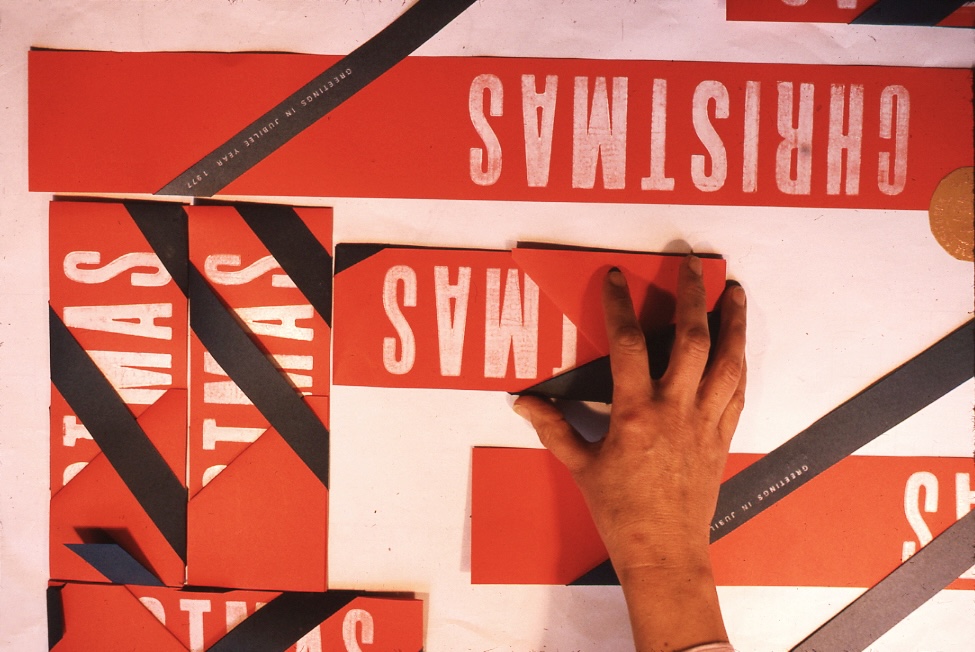 In addition to brutalist buildings, Alison Smithson designed some of the most creative Christmas cards we've seen
The architect’s collection of season’s greetings is on show at the Roca London Gallery, just in time for the holidays
-
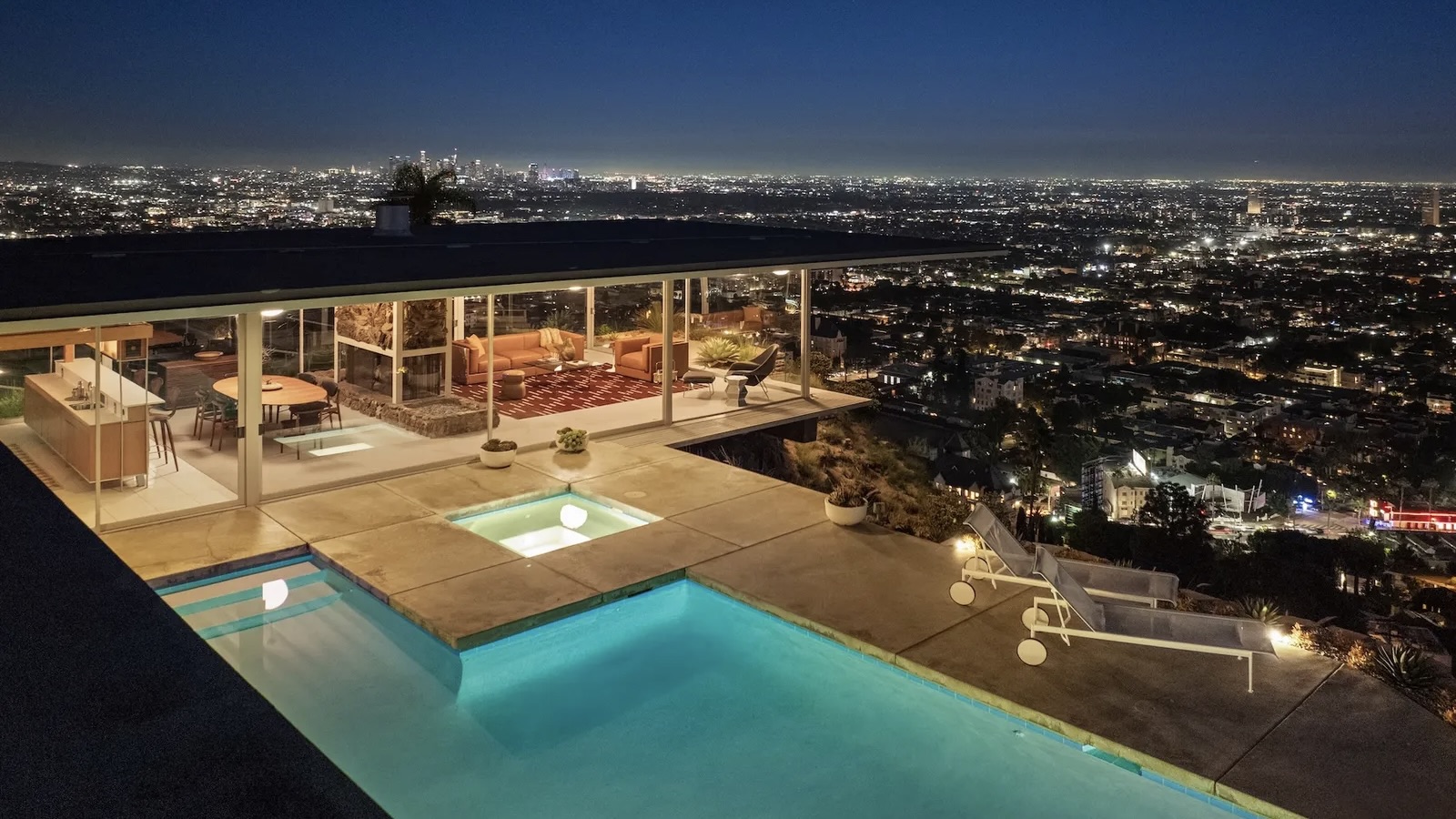 The Architecture Edit: Wallpaper’s houses of the month
From wineries-turned-music studios to fire-resistant holiday homes, these are the properties that have most impressed the Wallpaper* editors this month
-
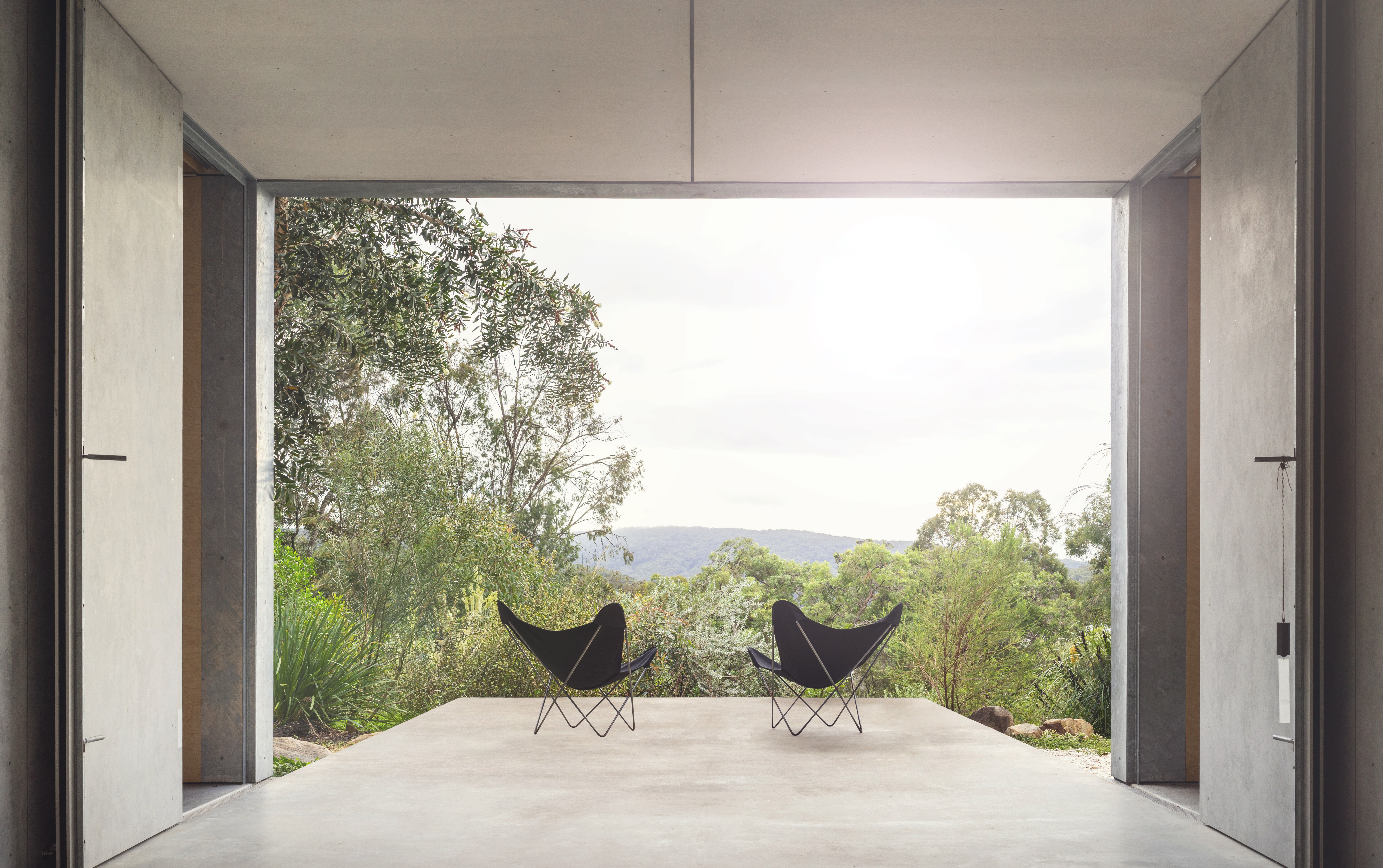 An Australian holiday home is designed as a bushfire-proof sanctuary
‘Amongst the Eucalypts’ by Jason Gibney Design Workshop (JGDW) rethinks life – and architecture – in fire-prone landscapes, creating a minimalist holiday home that’s meant to last
-
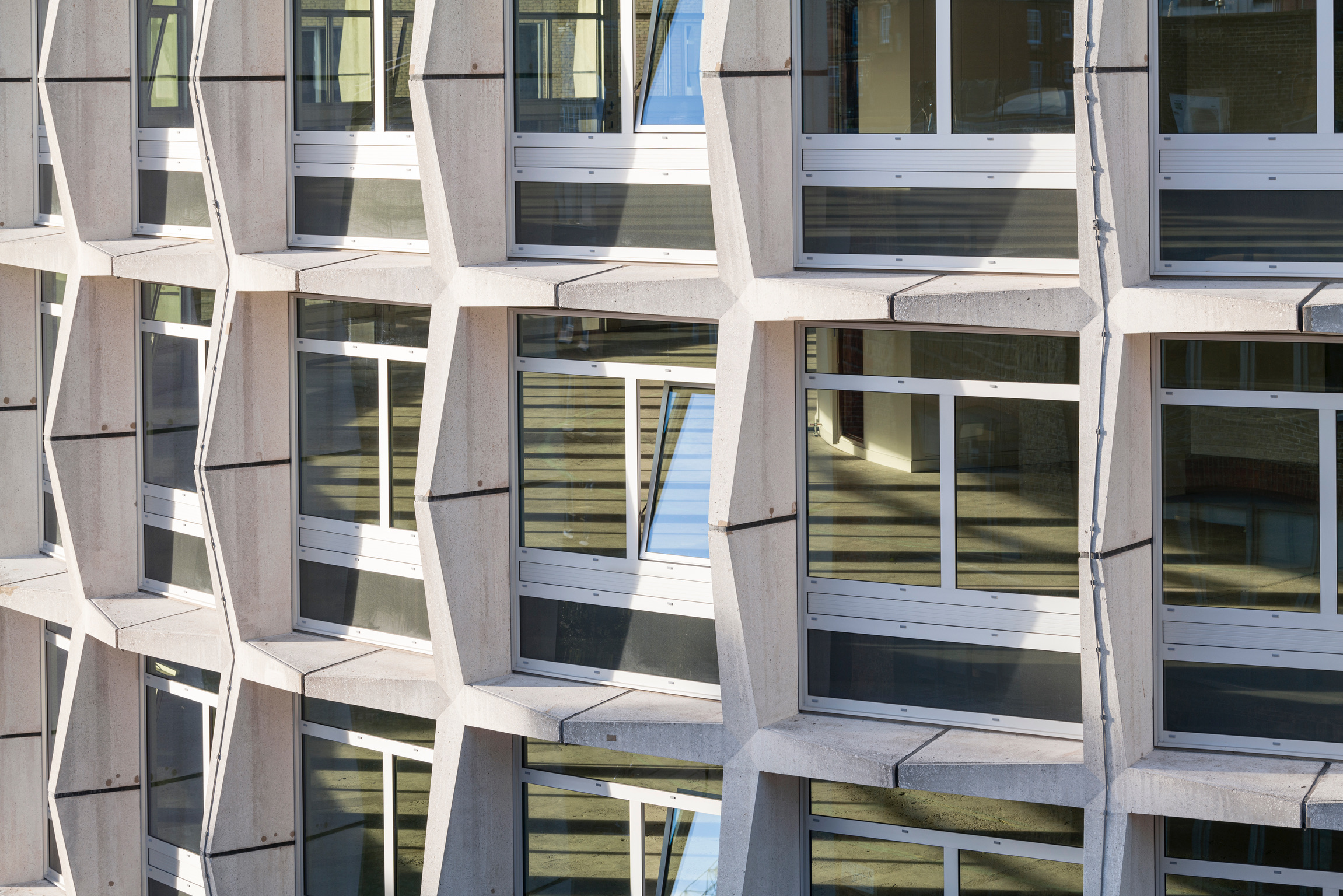 Richard Seifert's London: 'Urban, modern and bombastically brutalist'
London is full of Richard Seifert buildings, sprinkled with the 20th-century architect's magic and uncompromising style; here, we explore his prolific and, at times, controversial career
-
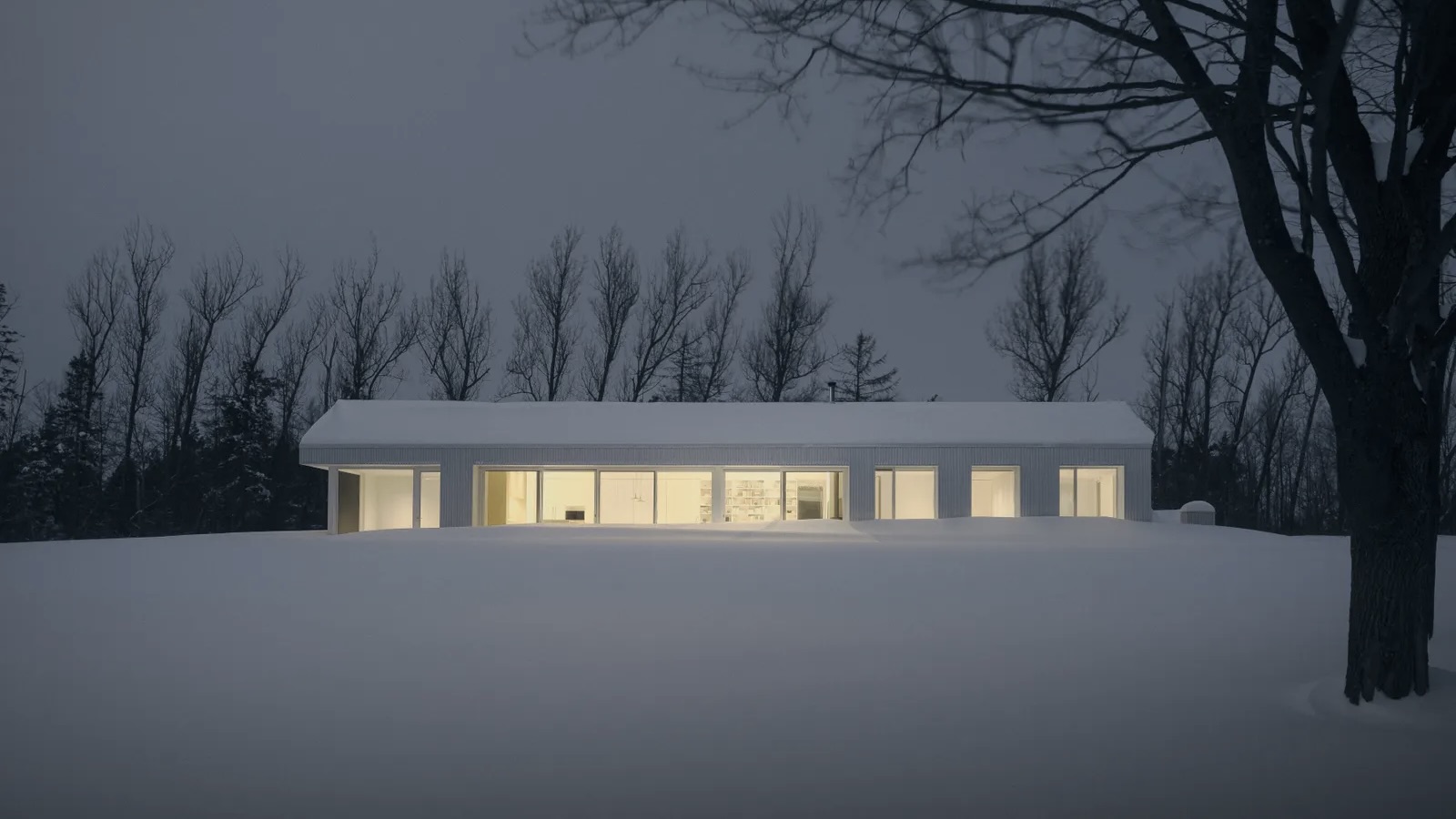 The Architecture Edit: Wallpaper’s houses of the month
From Malibu beach pads to cosy cabins blanketed in snow, Wallpaper* has featured some incredible homes this month. We profile our favourites below
-
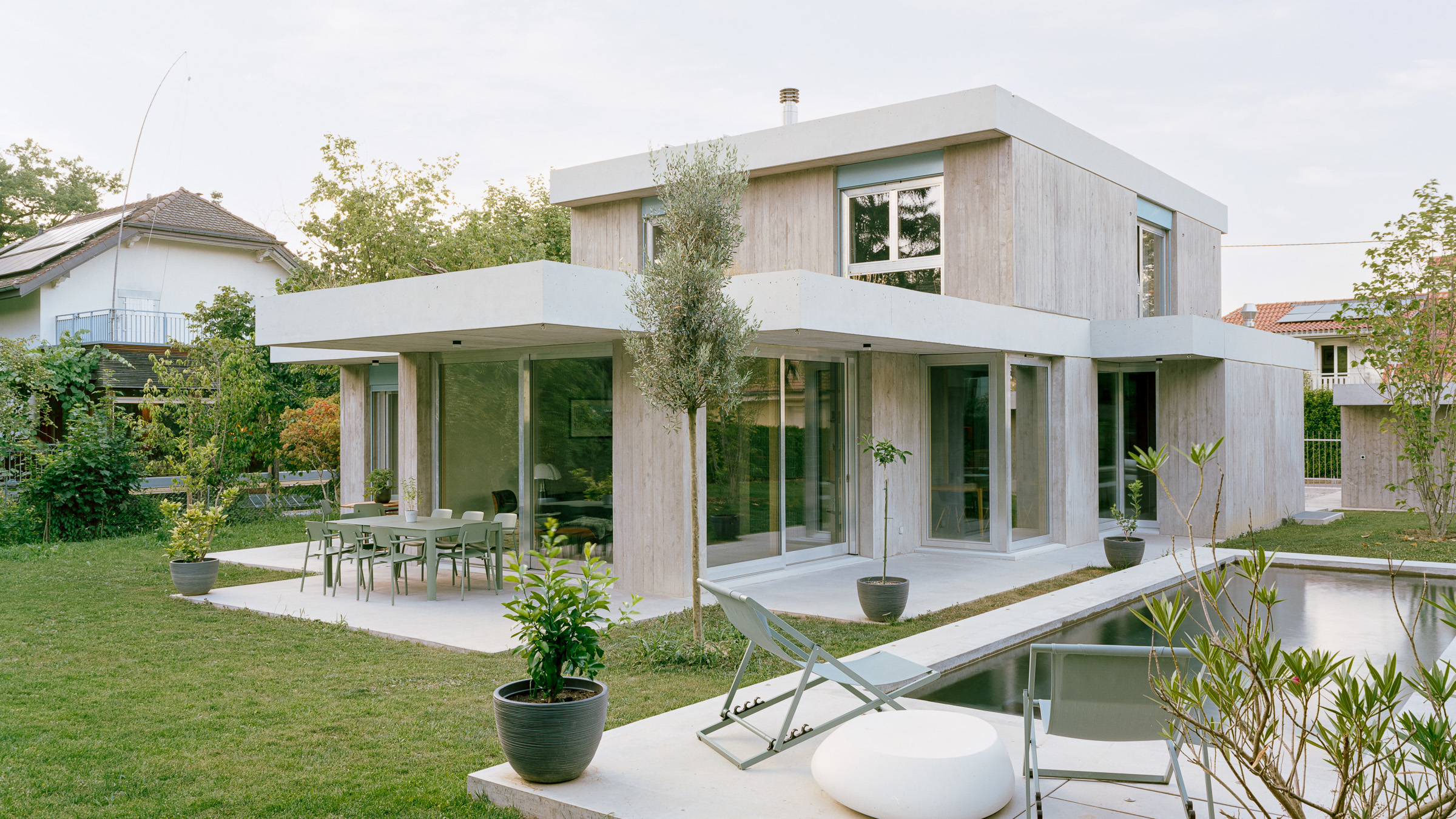 A neo-brutalist villa for an extended family elevates a Geneva suburb
Lacroix Chessex Architectes pair cost-conscious concrete construction with rigorous details and spatial playfulness in this new villa near Geneva
-
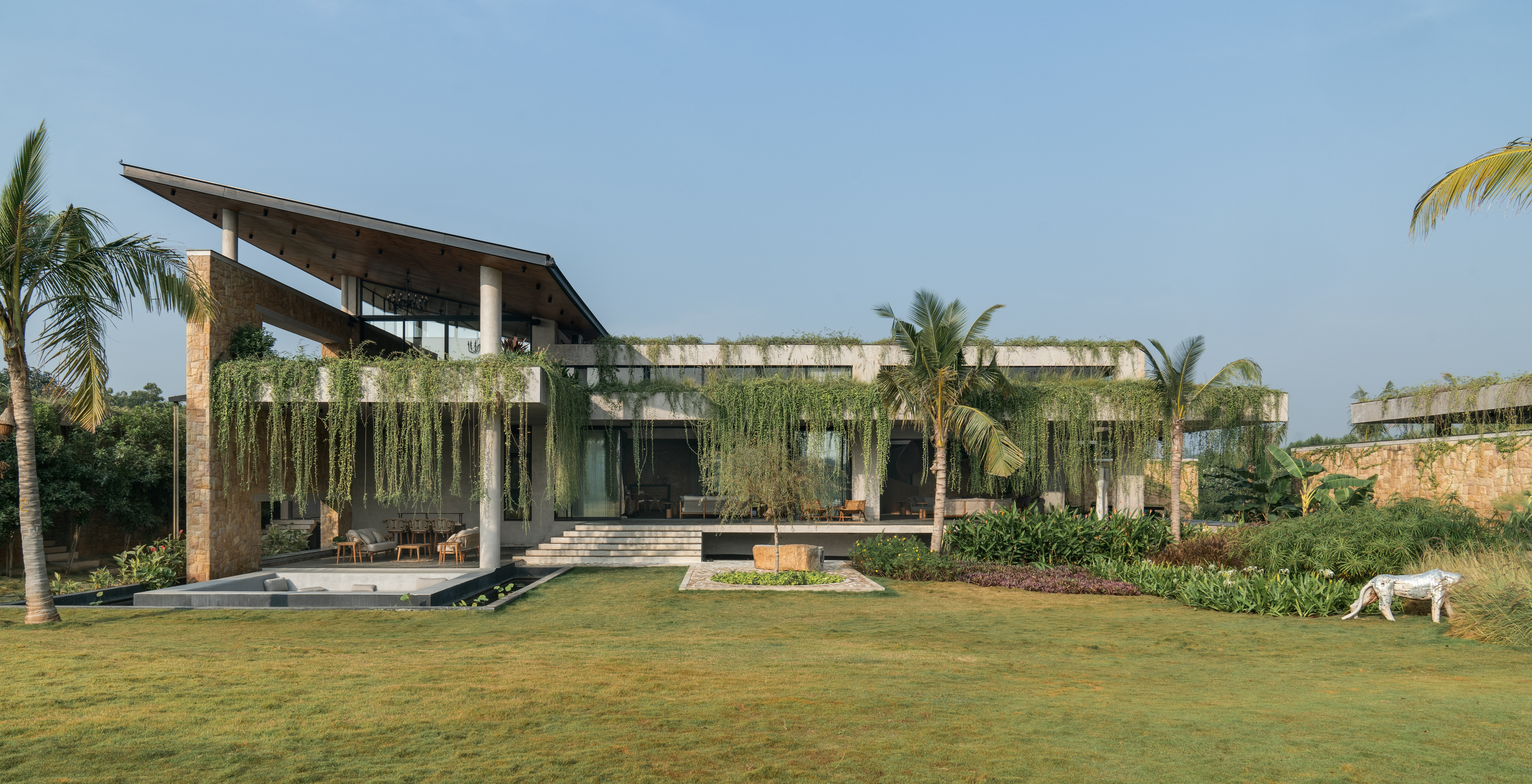 Cascading greenery softens the brutalist façade of this Hyderabad home
The monolithic shell of this home evokes a familiar brutalist narrative, but designer 23 Degrees Design Shift softens the aesthetic by shrouding Antriya in lush planting
-
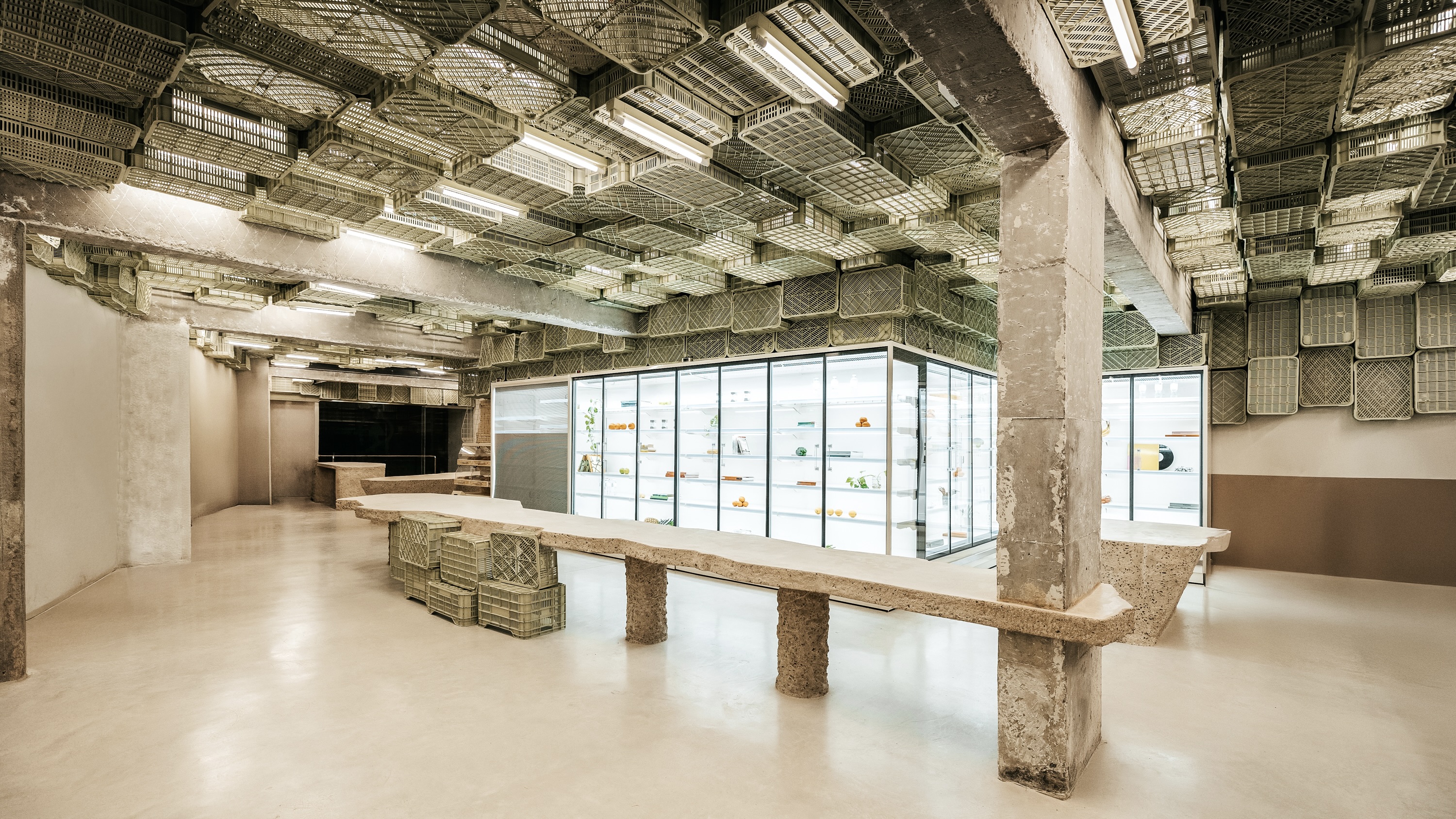 Spice up the weekly shop at Mallorca’s brutalist supermarket
In this brutalist supermarket, through the use of raw concrete, monolithic forms and modular elements, designer Minimal Studio hints at a critique of consumer culture


