
If you feel a little unsure about 'carbon', head to 'Carbon Garden', the newest addition to Kew's Royal Botanic Gardens in London, to find out more about this magical, seemingly omnipresent, chemical element. The new exhibit, a lush, newly planted and landscaped area complete with a new pavilion by Mizzi Studio, has just been unveiled with a single quest - to entice and inform its visitors about carbon capture in nature and how it can be leveraged to help sustain life on Earth.

What is at the heart of Kew's new 'Carbon Garden'?
Making a frequent appearance in discussions about climate change, 'carbon' is 'quite literally ‘stardust’,' Kew's experts explain, 'carbon is the building block of life.' Too much released carbon, however, can cause global temperatures to rise. Typically stored underground in soil, sedimentary rocks and fossil fuels, this essential component for life can be captured by plants and fungi, therefore, helping restore natural balance in nature and helping us combat climate change.
Richard Wilford, Head of Garden Design at Kew, explains that ‘by 2050, the climate of London would be equivalent to that traditionally found in Barcelona. This garden is about informing people about what carbon is, its stories interpreted through plants.'

To tell these stories, the garden is divided into three main areas. They include a depiction of a graphic chart of the Earth's rising temperatures expressed through correspondingly-coloured flowers; a dry garden, which shows how the British garden might change, come 2050, featuring plants that thrive in more arid conditions; and a garden that shows how we can adapt to climate change.
The last section focuses on creating rain gardens with swales (designs that collect and slow down rainwater absorption, protecting existing plants) and encouraging biodiversity. 'Promoting biodiversity in a garden is really important for an ecosystem to capture carbon better, naturally,' Wilford highlights. 'And if a tree has fallen, it is best to leave it to rot down slowly and naturally, so that its nutrients go back into nature.'

At Carbon Garden's heart, an umbrella-like pavilion stands tall, offering pleasing shade for visitors. Its volume is purposefully vague and organic-inspired, as its creator, Jonathan Mizzi, head of the Maltese architecture practice Mizzi Studio, explains: 'It's not quite a plant, nor quite a mushroom. It emerges from the ground.' Crafted (with the help of engineers AtelierOne) out of natural materials - granite base, European larch trunk and a moulded top out of natural fibres, such as linen - its role is to embody the garden's mission around carbon understanding.
It also acts as a funnel, collecting rainwater which is then recycled to water the plants; while providing shelter for visitors resting on the benches underneath, and a focal point for the entire display.

Strategies such as supporting grasslands, wildflower meadows and native hedgerows can be critical in locking in carbon - as displayed by the permanent exhibit's 35 new trees and 6500 plants, which will be cared for and encouraged to thrive naturally by the organisation's expert caretakers. All this and more, plus that visceral wellness kick we get from visiting a lush, leafy space, are some of the takeaways from a visit to Kew's new Carbon Garden.
Wilford adds: 'The Carbon Garden offers a unique opportunity to showcase our ongoing research, combining scientific insight with thoughtful design and beautiful planting to highlight the role of carbon in our lives, how it moves through the environment and how plants and fungi can help us tackle climate change. We hope the Carbon Garden inspires visitors to act and join us in shaping a more sustainable, resilient future for life on our planet.’
-
 ‘I want to bring anxiety to the surface': Shannon Cartier Lucy on her unsettling works
In an exhibition at Soft Opening, London, Shannon Cartier Lucy revisits childhood memories
-
 What one writer learnt in 2025 through exploring the ‘intimate, familiar’ wardrobes of ten friends
Inspired by artist Sophie Calle, Colleen Kelsey’s ‘Wearing It Out’ sees the writer ask ten friends to tell the stories behind their most precious garments – from a wedding dress ordered on a whim to a pair of Prada Mary Janes
-
 Year in review: 2025’s top ten cars chosen by transport editor Jonathan Bell
What were our chosen conveyances in 2025? These ten cars impressed, either through their look and feel, style, sophistication or all-round practicality


-
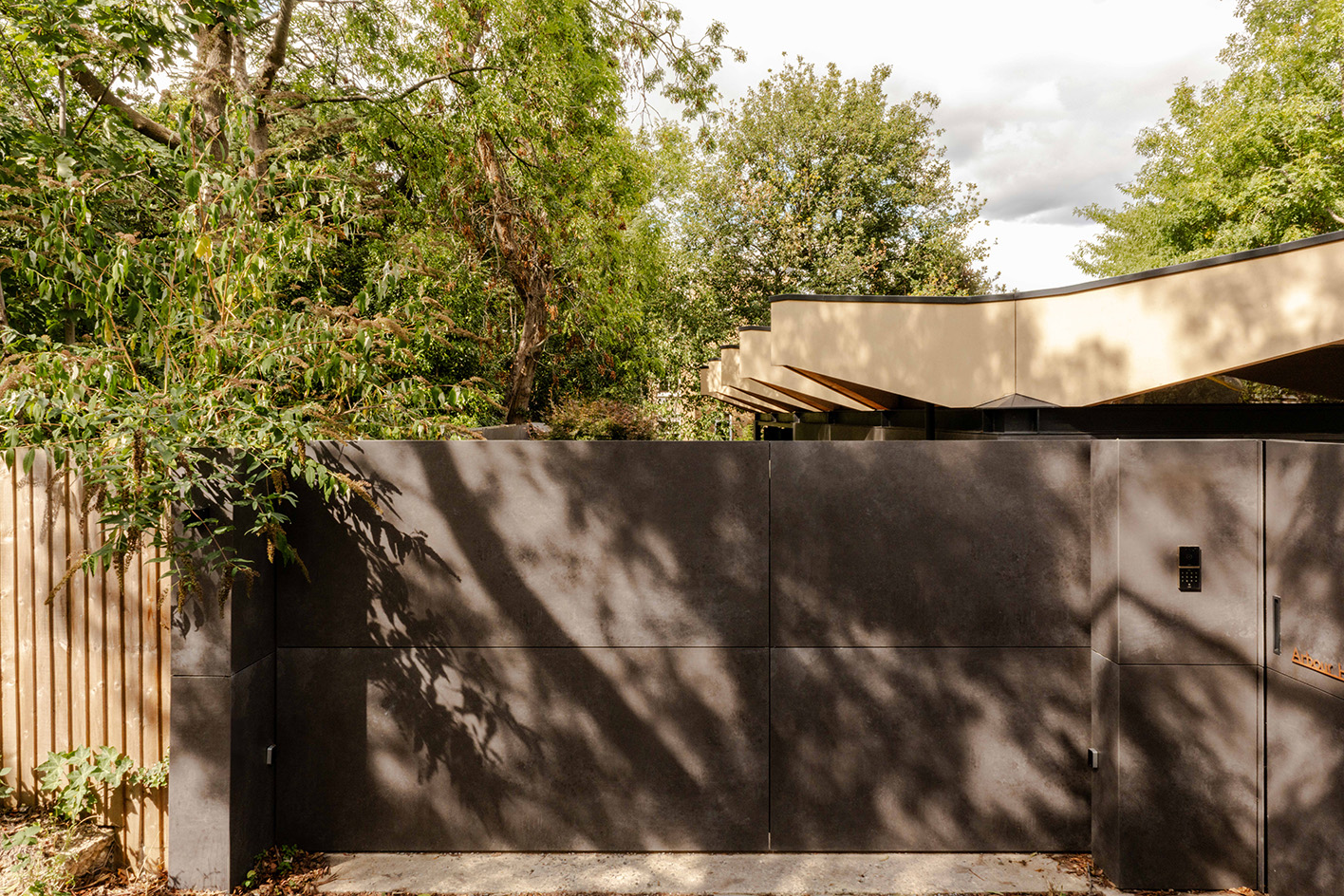 Arbour House is a north London home that lies low but punches high
Arbour House by Andrei Saltykov is a low-lying Crouch End home with a striking roof structure that sets it apart
-
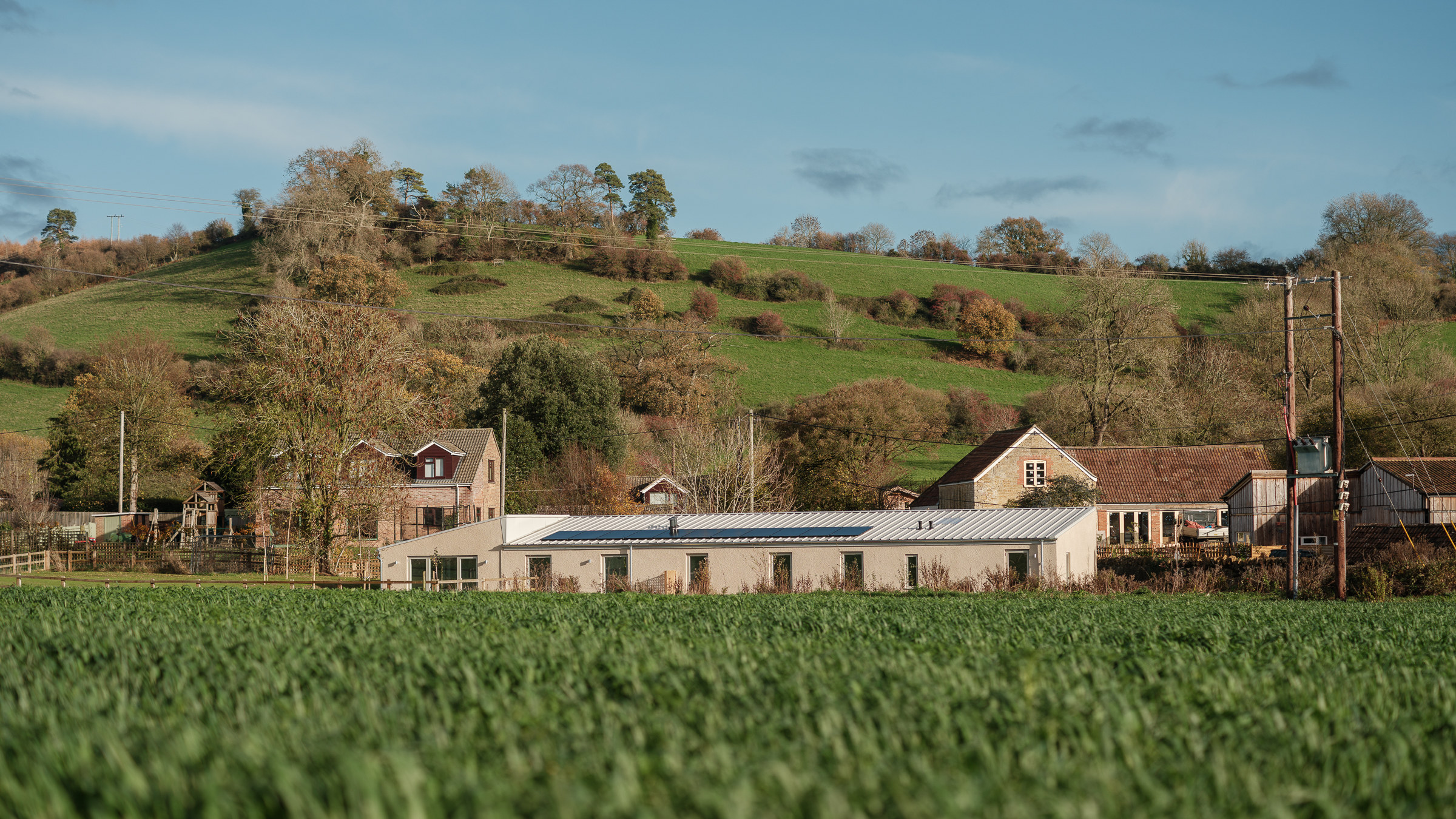 A former agricultural building is transformed into a minimal rural home by Bindloss Dawes
Zero-carbon design meets adaptive re-use in the Tractor Shed, a stripped-back house in a country village by Somerset architects Bindloss Dawes
-
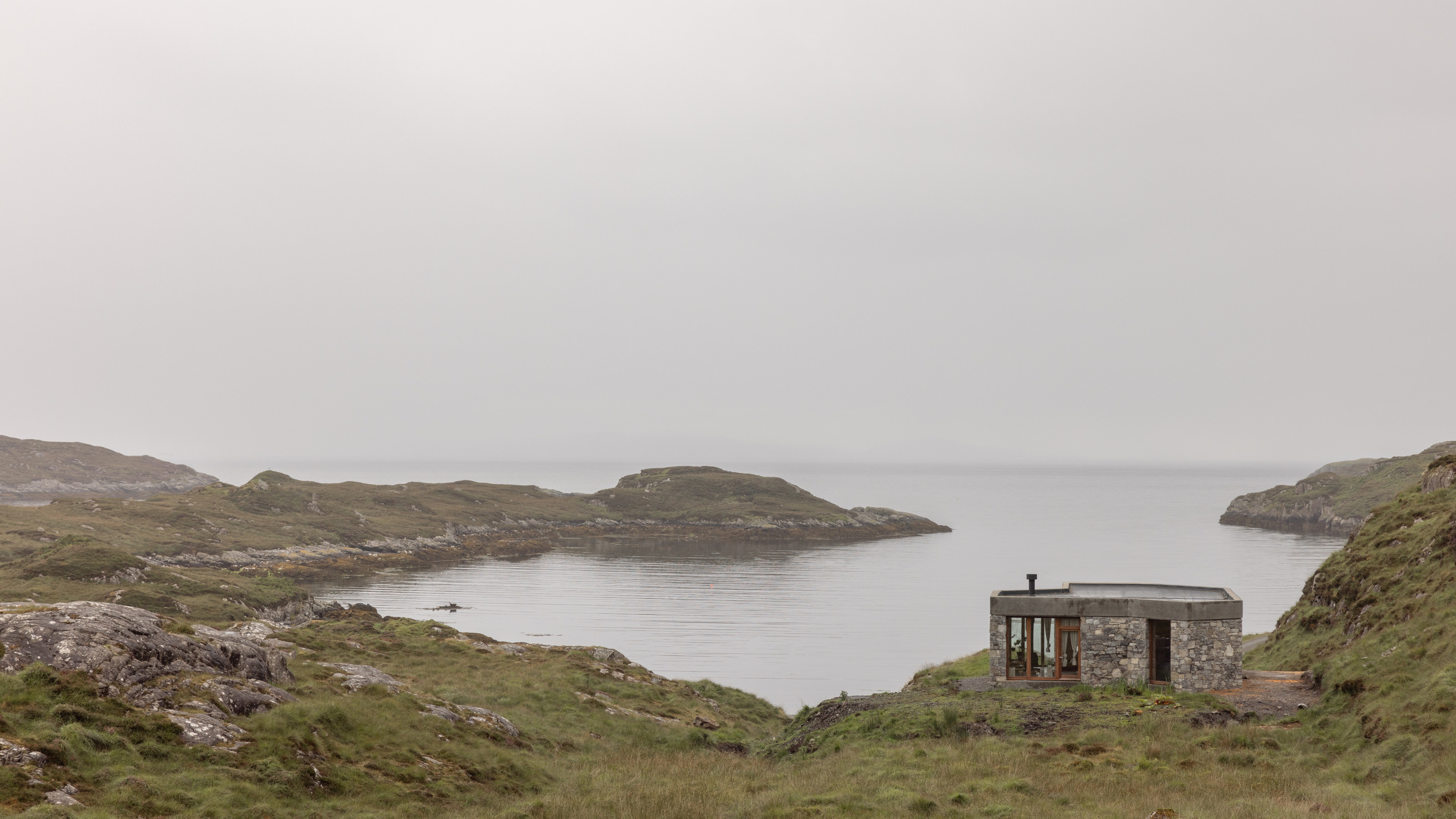 RIBA House of the Year 2025 is a ‘rare mixture of sensitivity and boldness’
Topping the list of seven shortlisted homes, Izat Arundell’s Hebridean self-build – named Caochan na Creige – is announced as the RIBA House of the Year 2025
-
 In addition to brutalist buildings, Alison Smithson designed some of the most creative Christmas cards we've seen
The architect’s collection of season’s greetings is on show at the Roca London Gallery, just in time for the holidays
-
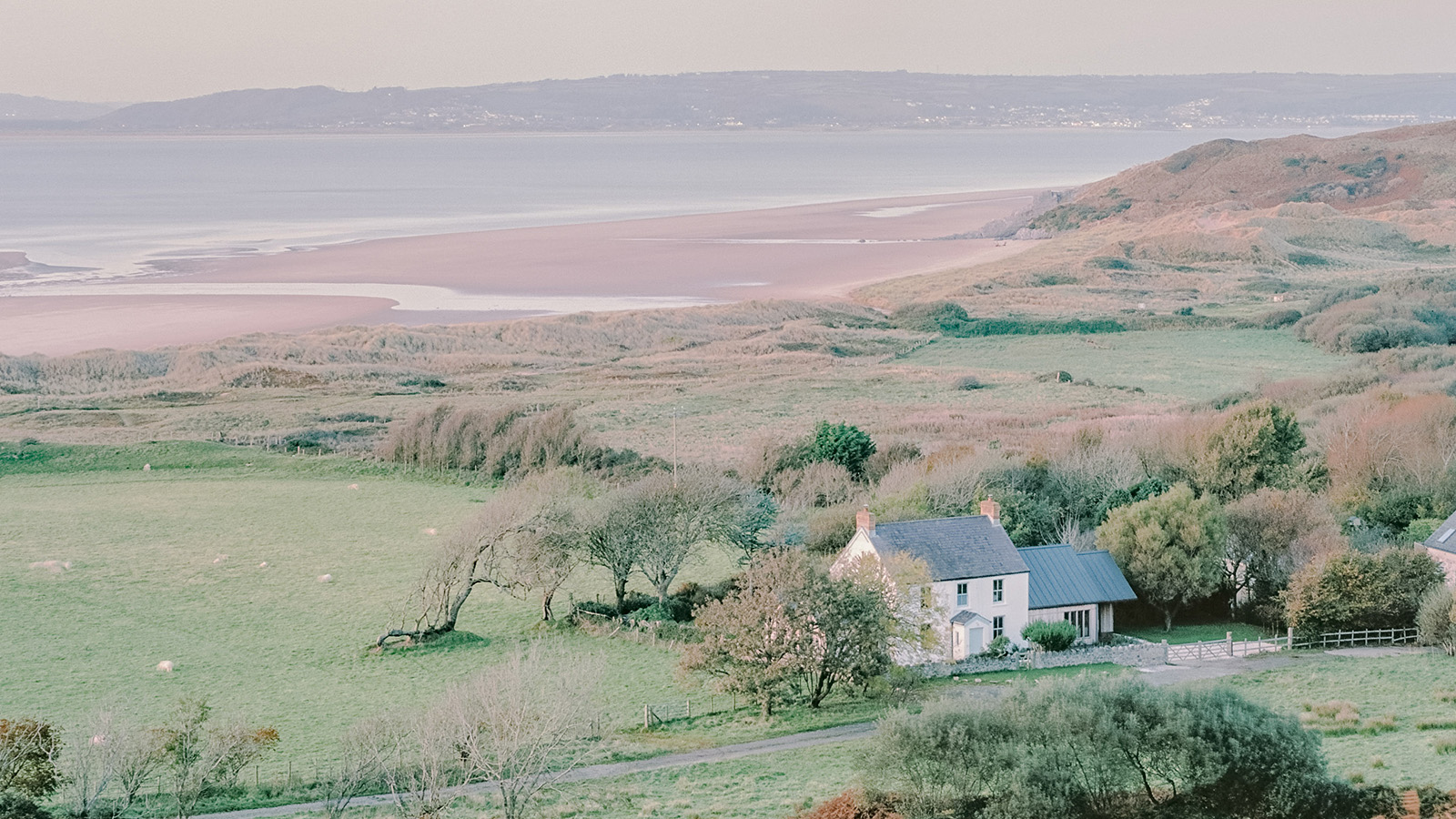 In South Wales, a remote coastal farmhouse flaunts its modern revamp, primed for hosting
A farmhouse perched on the Gower Peninsula, Delfyd Farm reveals its ground-floor refresh by architecture studio Rural Office, which created a cosy home with breathtaking views
-
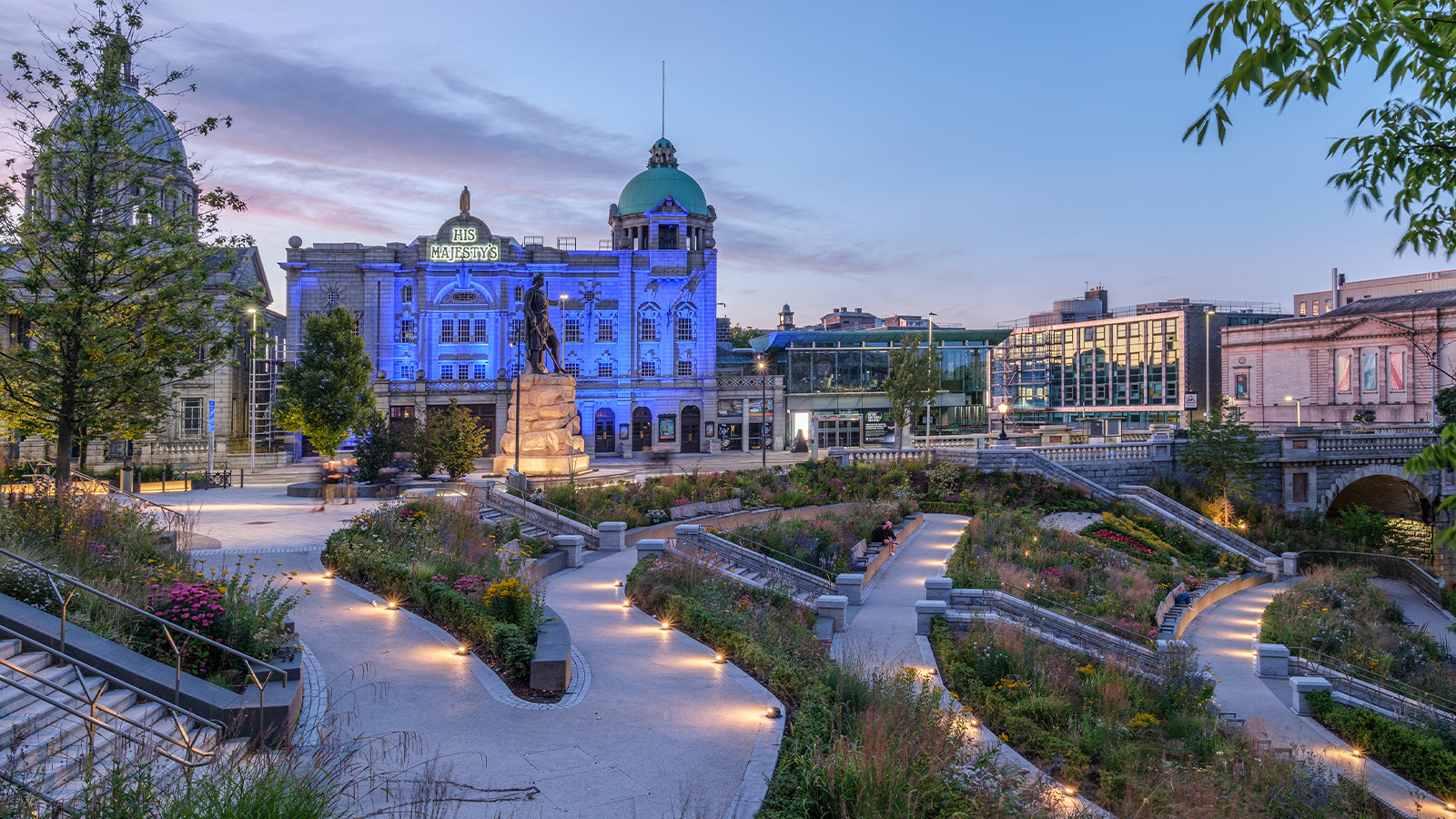 A revived public space in Aberdeen is named Scotland’s building of the year
Aberdeen's Union Terrace Gardens by Stallan-Brand Architecture + Design and LDA Design wins the 2025 Andrew Doolan Best Building in Scotland Award
-
 The Architecture Edit: Wallpaper’s houses of the month
From wineries-turned-music studios to fire-resistant holiday homes, these are the properties that have most impressed the Wallpaper* editors this month
-
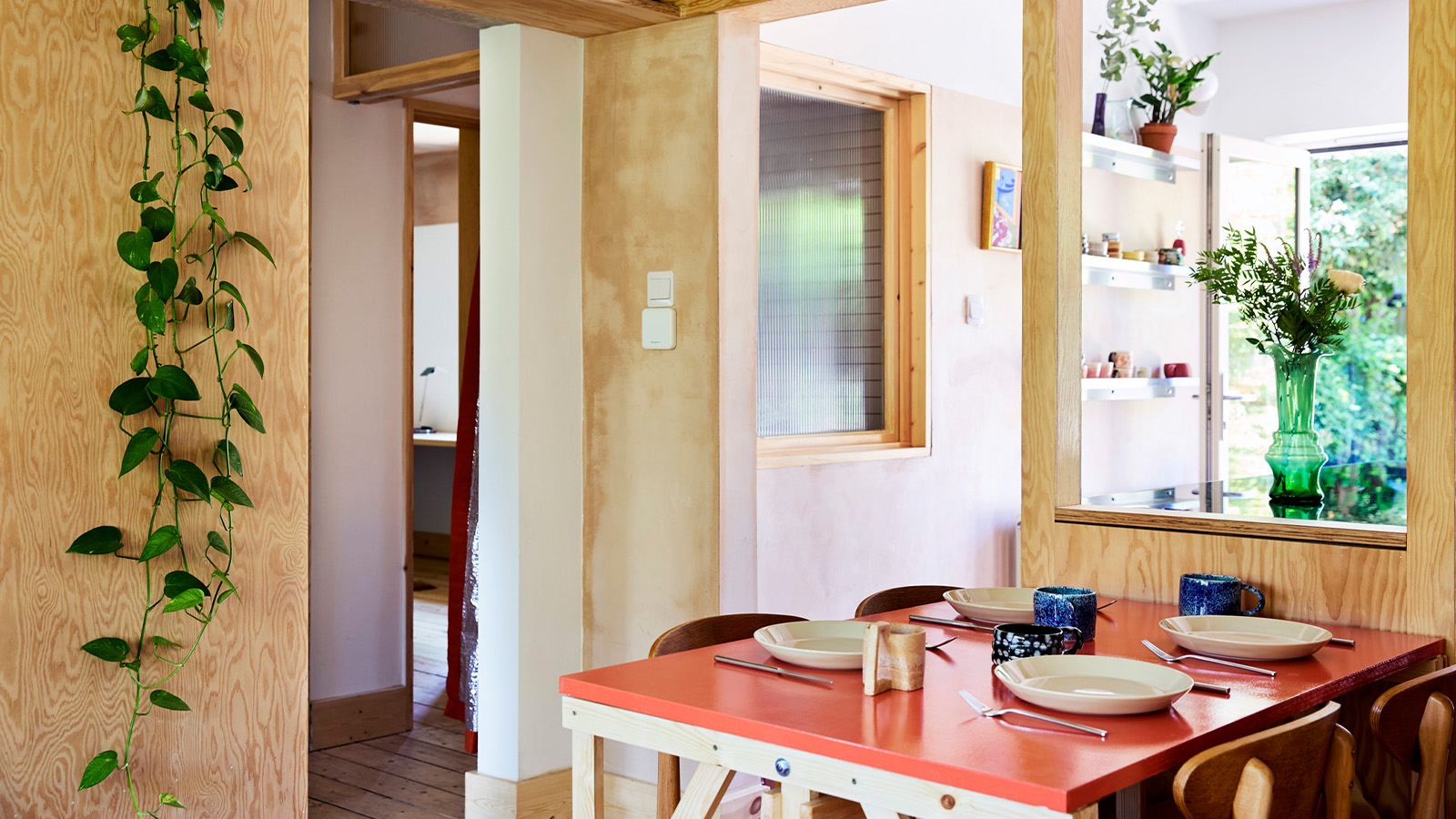 A refreshed 1950s apartment in East London allows for moments of discovery
With this 1950s apartment redesign, London-based architects Studio Naama wanted to create a residence which reflects the fun and individual nature of the clients


