
In Partnership With Eba
The objects we choose to keep close often tell the richest stories about how we live. A ceramic bowl picked up from a studio visit, hand-blown glassware discovered while travelling, linen-bound cookbooks stained with years of use or the coffee set that quietly anchors every morning ritual; over time, these everyday possessions become more than functional items. They become markers of memory, craft and personal taste.
For much of the modern kitchen's evolution, however, these objects were expected to disappear. The pursuit of seamless cabinetry and uninterrupted surfaces encouraged a philosophy of concealment, where visual calm was achieved by keeping everything behind closed doors. Increasingly, that idea is giving way to something more considered. Rather than hiding the objects that shape daily life, contemporary interiors are beginning to celebrate them.

Eba's white peninsula kitchen's vitrine celebrates everyday objects
As kitchens become ever-more closely connected to dining and living spaces, storage itself is evolving. Eba’s glass-fronted vitrines introduce transparency where solid cabinetry once dominated, bringing lightness to a room while creating opportunities to display carefully chosen pieces. This shift towards curation sits at the heart of the brand’s approach to bespoke kitchen design. Conceived as architectural spaces rather than standalone kitchens, its projects demonstrate how glass cabinetry can become an integral part of the overall composition, balancing openness with order while adapting to the rhythm of everyday life.
In one walnut kitchen, a full arrangement of glass-fronted wall units introduces visual depth while allowing treasured objects to punctuate the warmth of natural timber. Elsewhere, combinations of glazed and solid cabinetry bring moments of display into crisp white family kitchens and richly textured black interiors, creating compositions that feel both restrained and inviting. Rather than asking every cabinet to perform the same role, each is considered according to what it holds, revealing some objects while allowing others to quietly sit back.

Richly textured Haussmann black marble kitchen with vitrine
The idea extends beyond wall units alone. Sliding glass doors framed by smoked oak create flexibility, allowing collections to be revealed or concealed as living patterns change throughout the day. In larger open-plan homes, full-height vitrines soften expansive runs of cabinetry, using transparency and integrated lighting to introduce depth and atmosphere after dark. In every case, the glass is less a feature than a framing device, drawing attention not to itself but to the objects it contains.
It reflects a broader evolution in how we think about the home. As the boundaries between cooking, entertaining and relaxing continue to dissolve, kitchens have become places where daily rituals unfold alongside conversation, work and gathering. The room no longer sits apart from the rest of the house; it has become one of its defining social spaces. The objects on display therefore become part of the wider interior language, expressing personality as naturally as the materials, furniture or art that surround them.

Details of the Eba Haussmann kitchen in mink and oak
That philosophy is experienced first-hand at Eba Marylebone, the brand's London showroom on Wigmore Street, where bespoke kitchens and integrated living spaces are presented as complete architectural environments. Every detail, from material palette to storage solutions, is designed to create interiors that feel enduring rather than trend-driven, reflecting the belief that thoughtful design begins with understanding how people truly live.
Perhaps that is the quiet appeal of the contemporary vitrine. It is not simply about replacing a solid door with glass, but about recognising that the objects we return to every day deserve to be seen. Carefully curated rather than purposefully hidden, they become part of the architecture itself, transforming storage into a thoughtful expression of the lives lived around it.
-
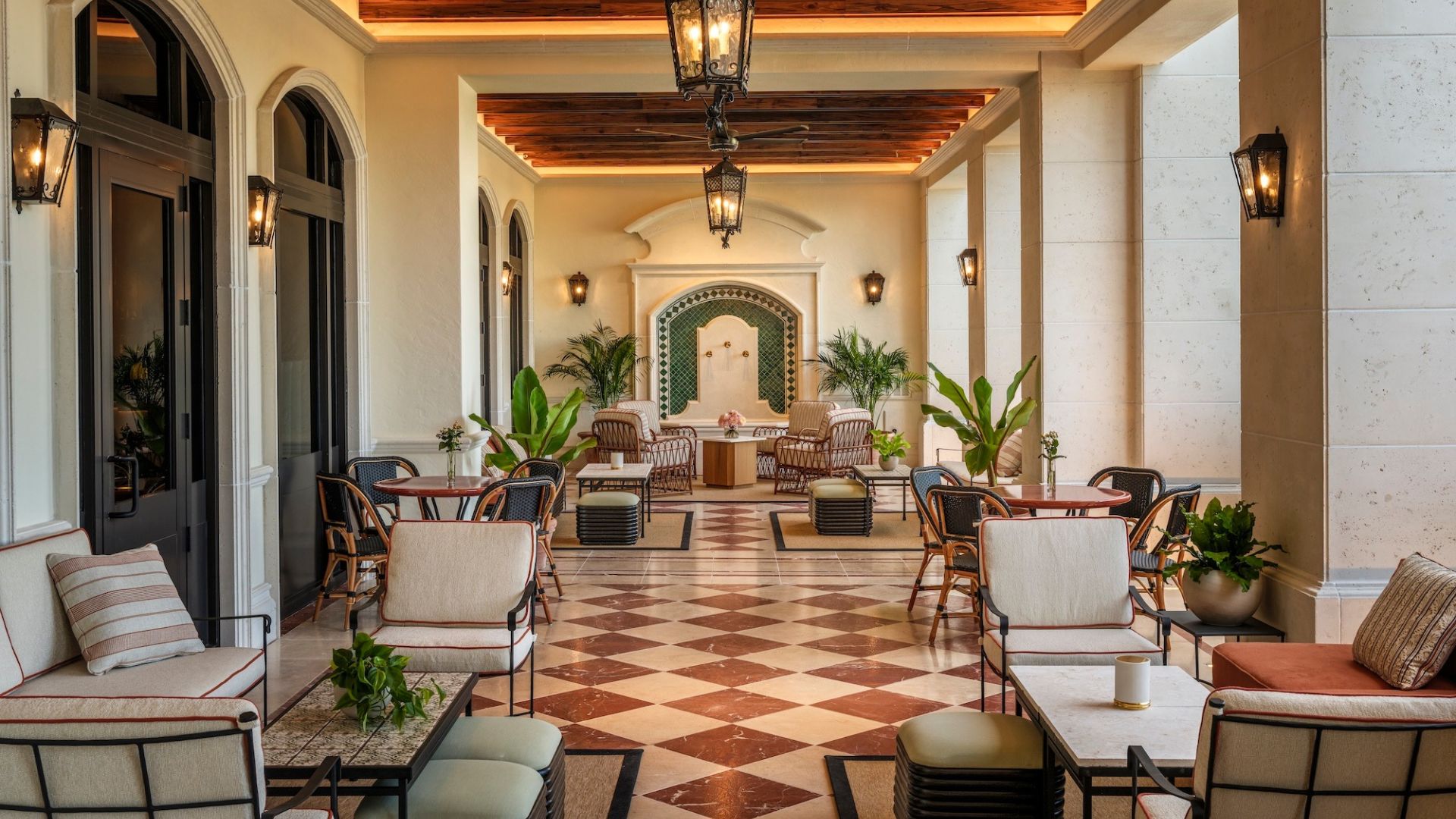 A sneak peek inside The Nora Hotel, West Palm Beach's most glamorous new stay
The team behind New York's legendary Hotel Chelsea have opened a sophisticated Florida escape with layered interiors by Gachot. Here's what to expect
-
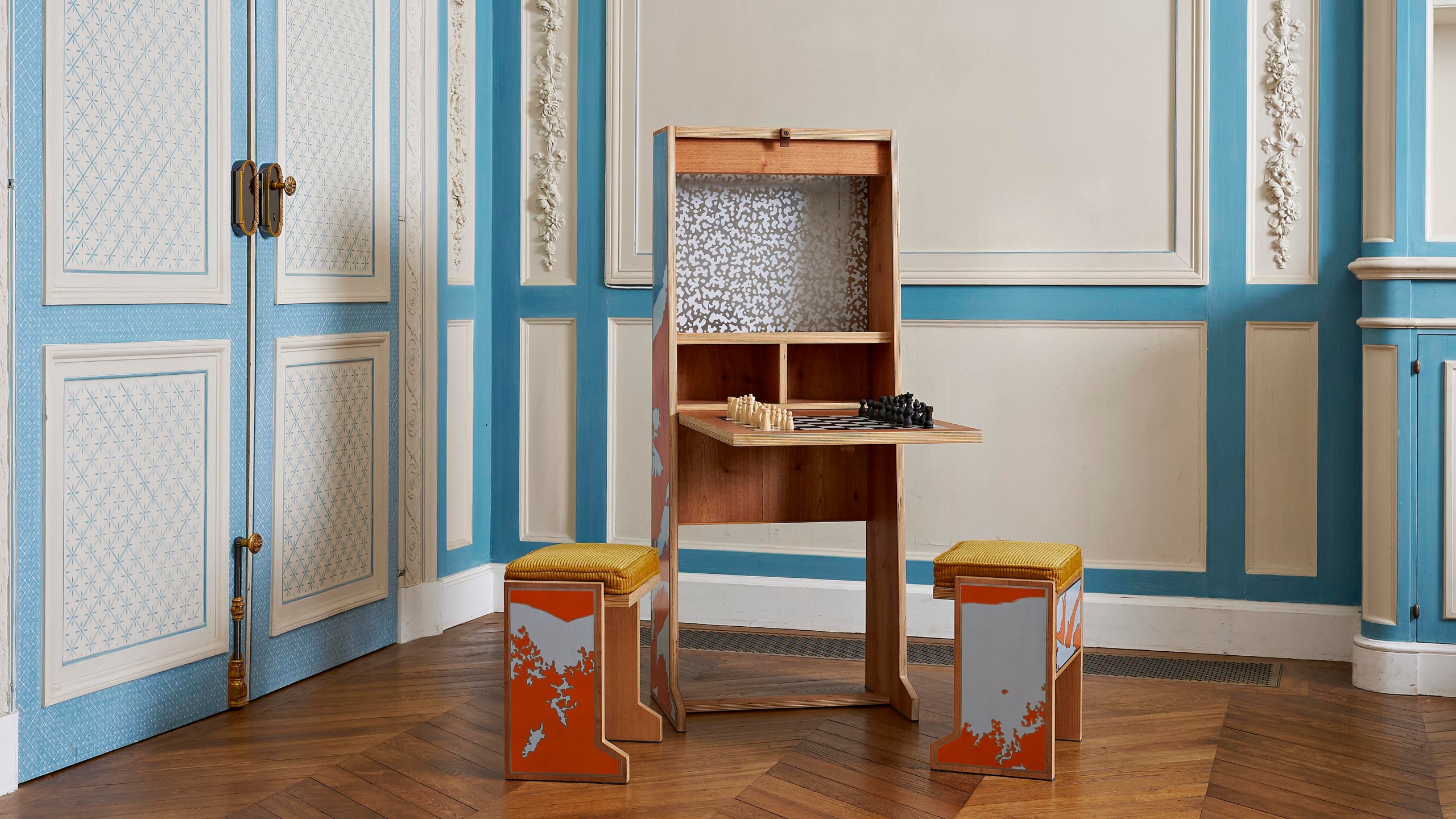 Apple’s Designers of Tomorrow invite us to slow down at Design Miami Paris
Ahead of the opening of tomorrow's Design Miami Paris, Apple invited Wallpaper* for an exclusive peek at the second edition of Designers of Tomorrow
-
 A Comme des Garçons exhibition is beautifully chaotic at Dover Street Market
The Japanese fashion brand presents an exhibition to coincide with its publication, SIX, which spotlights art, design, architecture, and film


-
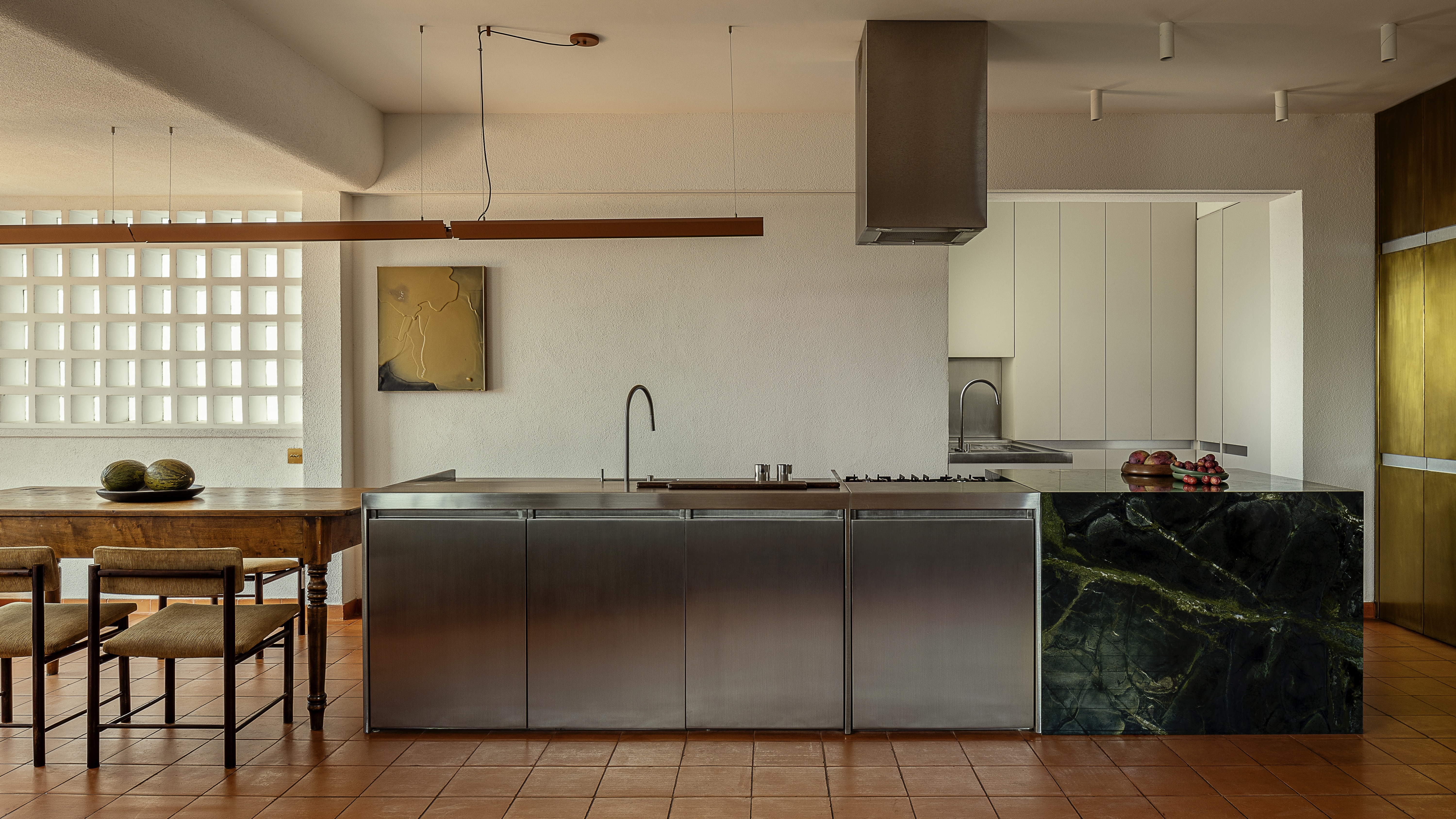 This São Paulo apartment was designed for content creators, and it’s certainly camera ready
A renovation of this penthouse saw the kitchen relocated to the heart of the home to suit the purposes of a couple who run a culinary YouTube channel
-
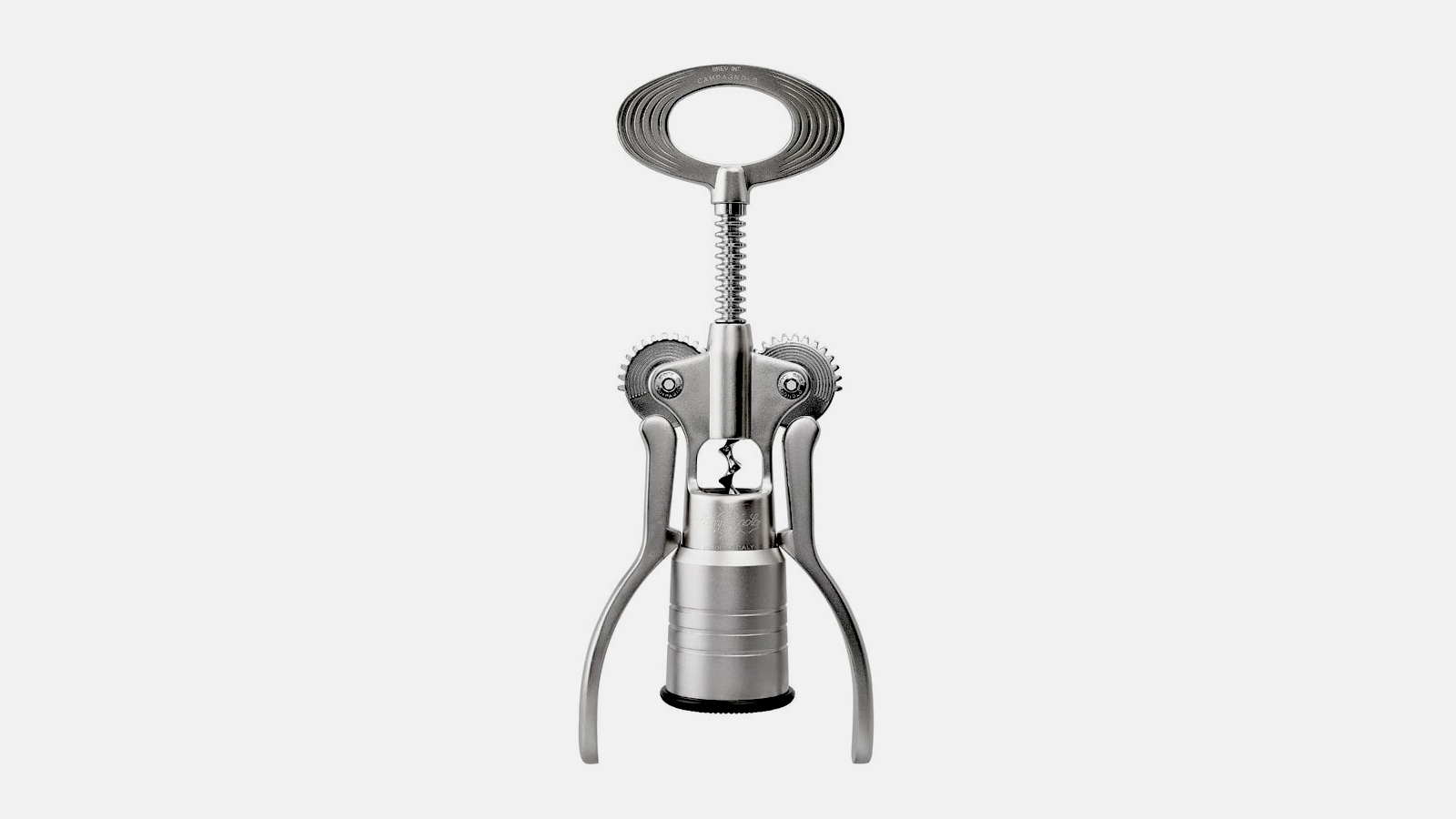 Get back to basics with these low-fi and long-lived kitchen tools
Fed up with the perennial pairing and needy notifications from too many smart devices? Discard digital and go all-analogue with our essential selection of battery-free kitchen tools and accessories
-
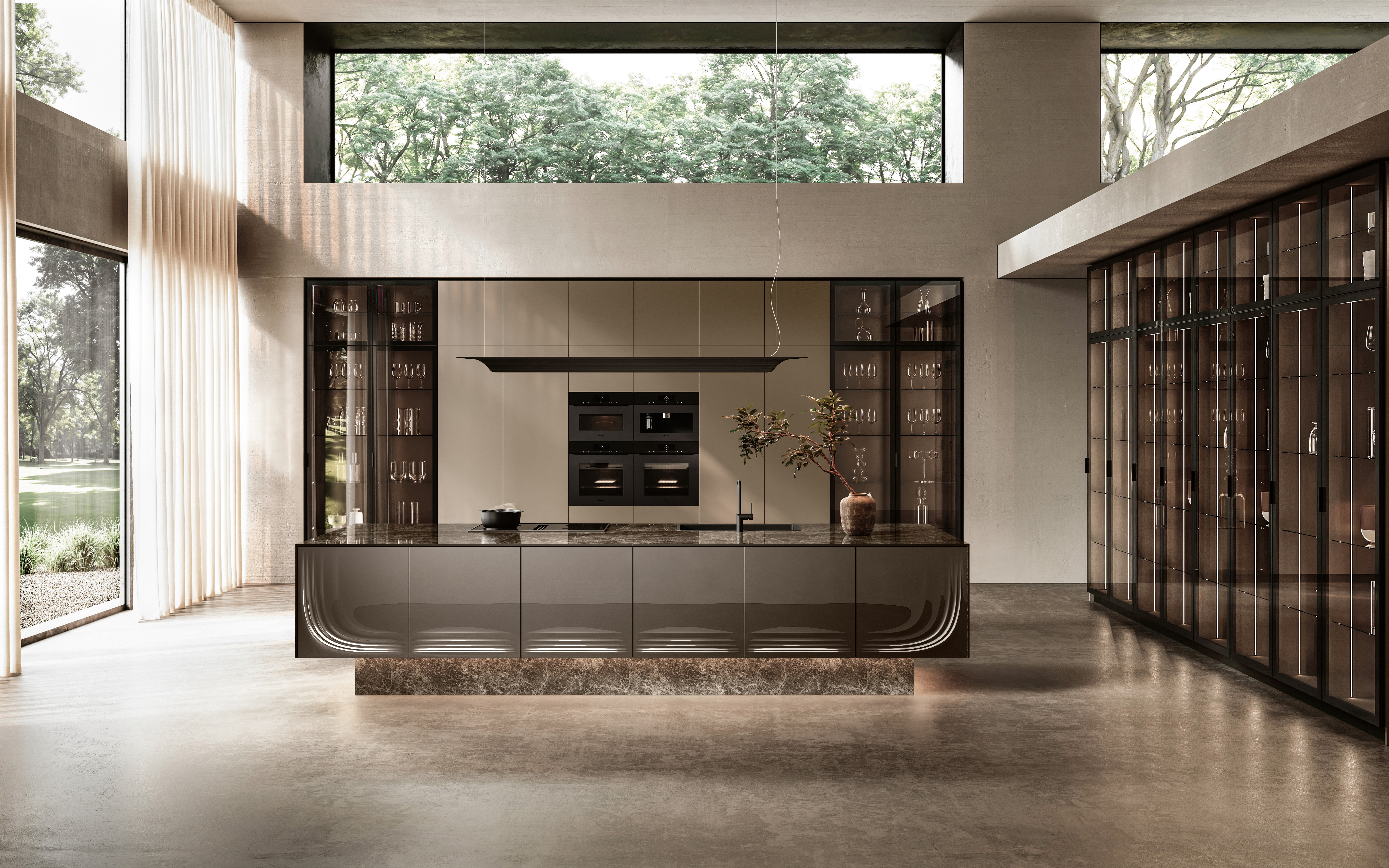 Febal Casa’s ‘Onda’ kitchen island and sideboard with Zaha Hadid Architects ripple with possibility
Architectural fluidity and manufacturing excellence meet in a next-wave furniture collection
-
 Boffi and Zaha Hadid Design’s new Cove Kitchen, an Italian island dream
The newly updated Cove Kitchen is conceived as a modular hub of creation and conviviality
-
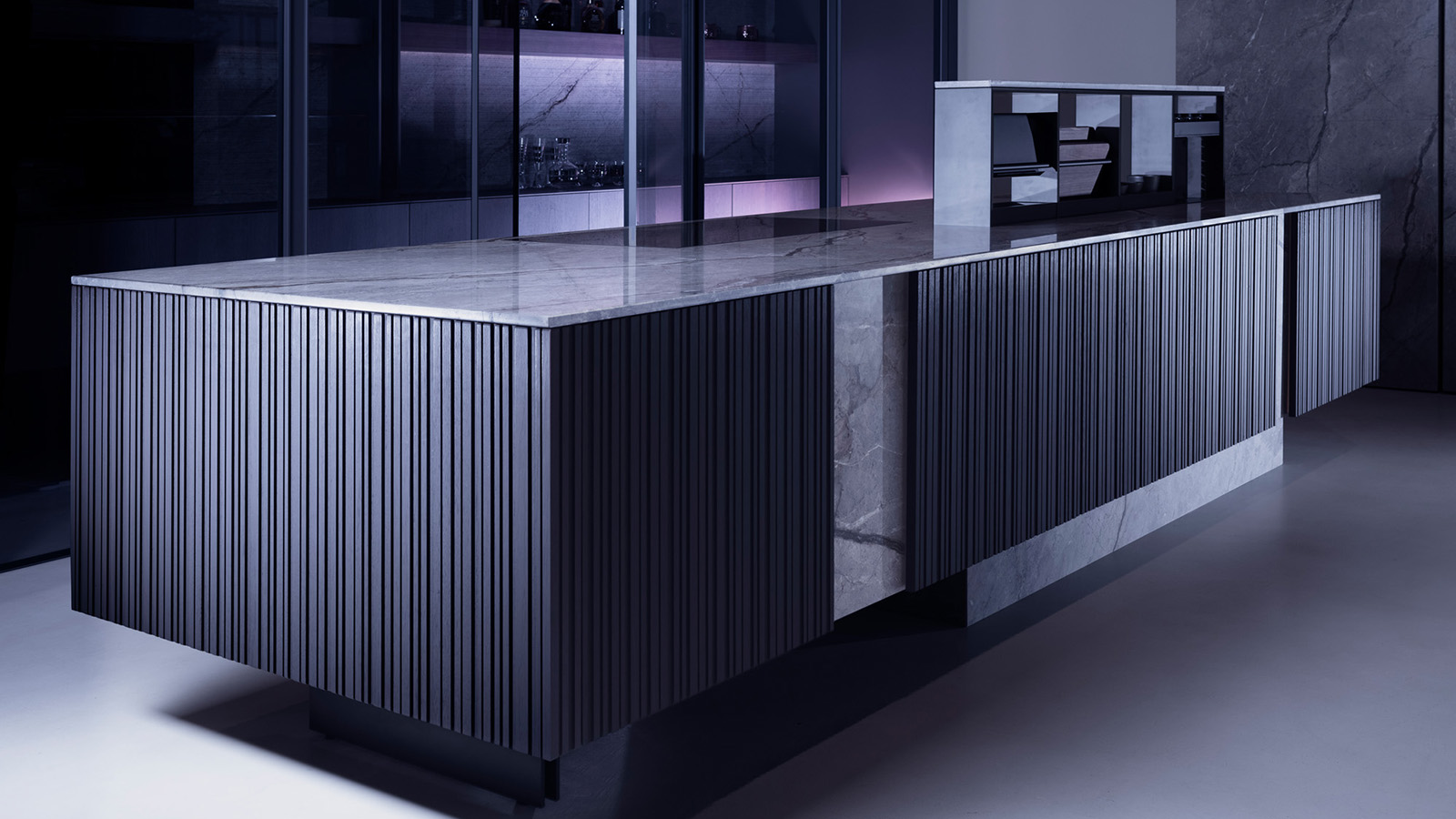 Kitchen Trends 2025: these design ideas merge sleek design and utilitarian attitude
The Wallpaper* edit of the best kitchen trends for 2025, featuring the chicest, sleekest islands on which to slice and dice
-
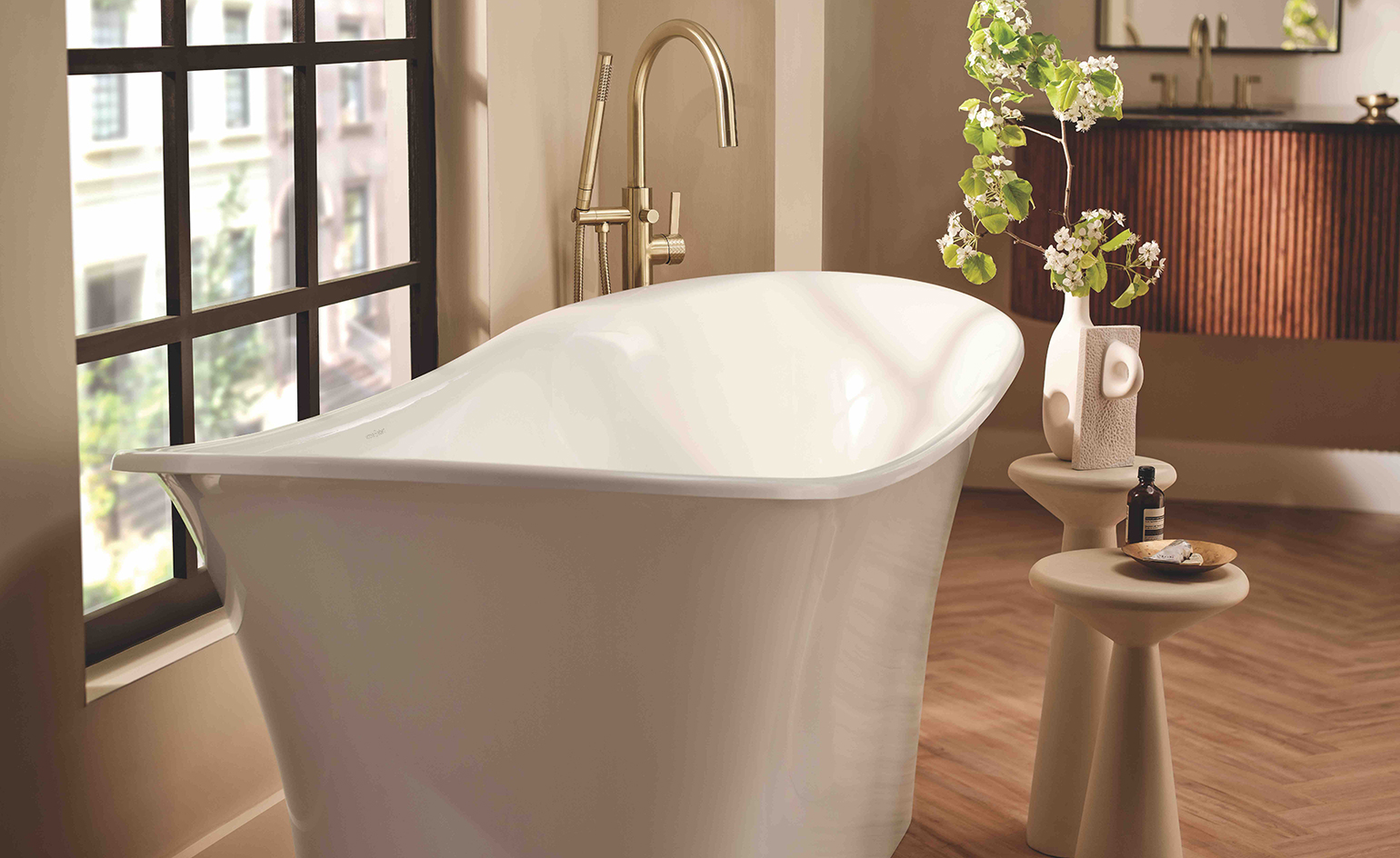 These extraordinary materials make kitchens and bathrooms blissful
From tactile Volcanic Limestone bathtubs to fine fireclay sinks and exquisite brass taps and fixtures, matchless materials define House of Rohl and its collection of luxury brands
-
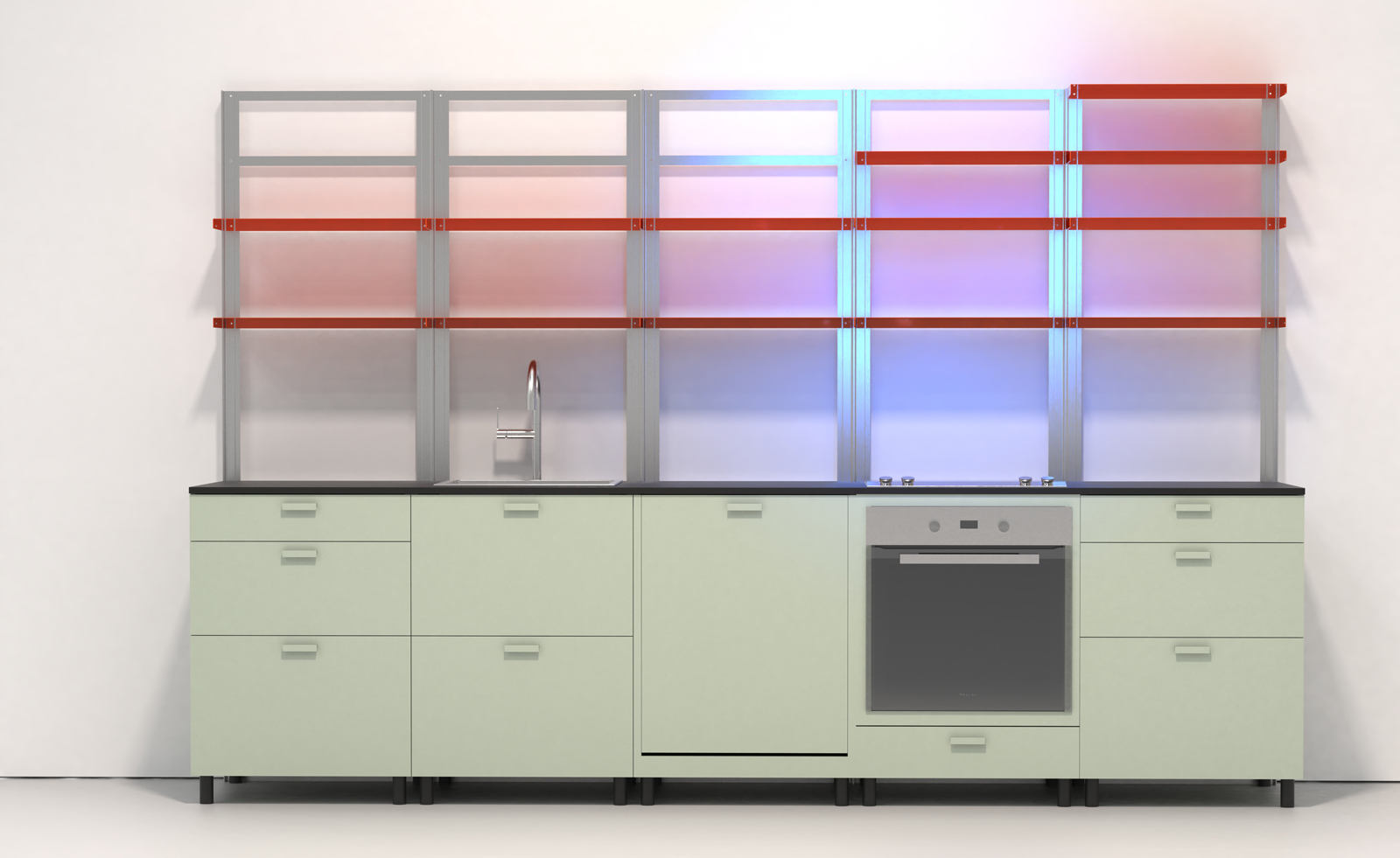 Possi’s modular kitchens work in every space
Danish brand Possi makes its debut with modular kitchens that bypass the limitations of traditional kitchen design
-
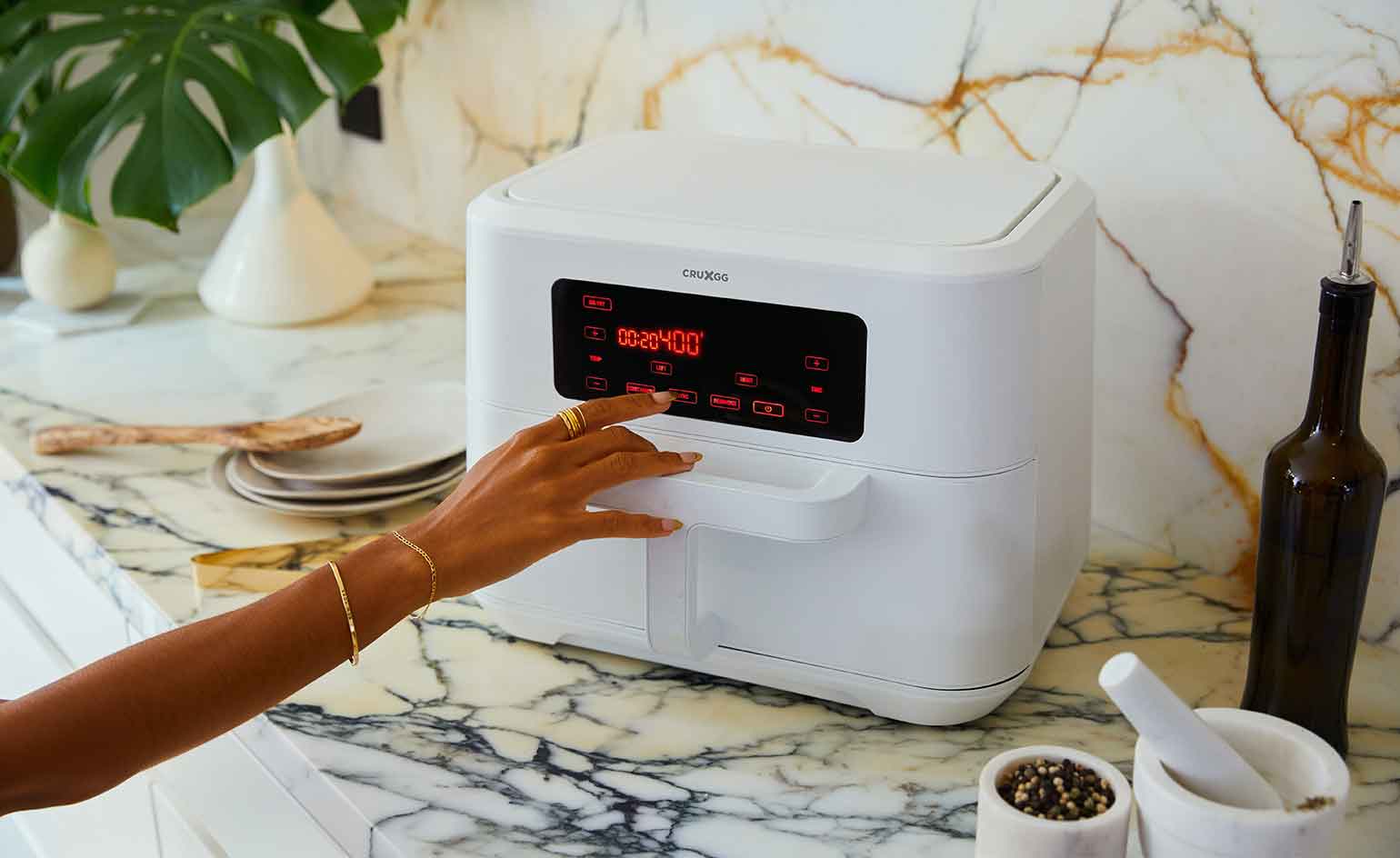 Hot stuff: Ghetto Gastro’s kitchen appliances for Crux
Bronx-based culinary collective Ghetto Gastro has created a collection of kitchen appliances for New York kitchenware brand Crux, featuring air fryers, a grill, a toaster, and waffle and coffee makers in two colourways


