
Elisabeth Sparkles (Demi Moore) has just turned 50 when she is fired from her hosting job by the producer (Dennis Quaid) of a televised aerobics show. Elisabeth, like so many aging stars before her, is being forced into obscurity by a shallow industry that refuses to look past her aging body. But for the rich and famous there is always another option. Elisabeth is offered a new piece of biotechnology, which allows her to live out her youth once more. Or at least split herself in two and share her life with a younger model who can live the life she is being denied. And so begins The Substance, Coralie Fargeat's sophomore feature film, that has already been granted the moniker body horror, due its visceral imagery and mutations of the body (read our interview with Pierre-Olivier Persin about creating the prosthetic make-up for The Substance).

Still from The Substance
After Elisabeth injects the neon green liquid, she convulses on the bathroom floor, from her splitting spine emerges her younger self, Sue (Margaret Qualley). Wet with bodily fluids she stands in front of the mirror and marvels at her supple flesh, her perky bottom, her full lips. Here is where Coralie Fargeat’s problem begins, although her intention is to critique the ageism of the industry, she forgets that the camera holds no irony. What follows are many lingering shots of Sue, where her body is ogled by the camera. In one scene Sue wears a tight leather catsuit and Margaret Qualley’s curves balloon like a Jeff Koons, under an objectifying lens. While Elisabeth – despite Demi Moore’s obvious beauty – only receives cold hard angles.

Still from The Substance
The Substance may be a grotesque piece of horror, but not every gory addition to the genre falls into the category of body horror. When, inevitably, Sue abuses the substance, repercussions are visible on Elisabeth’s body: her finger bulges and wrinkles beyond her years. Repulsed by the crone-like appendage she scrubs desperately at the digit hoping to return her hand to its former glory.
In body horror, discomfort around the body is a prerequisite: Adrien (Agathe Rouselle) denies her half-human half-car pregnancy even as her stomach swells (Titane, 2021), Saul Tenser (Viggo Mortensen) struggles to accept the new organ growing inside him struggling against his own rapid evolution (Crimes of the Future, 2022) and body swapping assassin Tasya Vos (Andrea Risebourgh) reckons with the split from her physicality while revelling in the sexual pleasure of the Colin’s body (Christopher Abbott) that she inhabits (Possessor, 2020). Suffice to say alongside the dysmorphic horror they all experience, there are moments of sensual pleasure at their changing physicality. One which queries gender limitations and offers visceral and erotic possibilities, beyond the binary. But for Elisabeth, there is no revelry, only disgust, having internalised the misogyny of her industry.

Still from Titane, ©Carole_Bethuel
Body horror is much more than just manipulated gore designed to evoke disgust, in fact it contains a curiosity about the body that differs from horror's usual rubbernecking. Despite attempts at a critique on ageism, Fargeat’s abject treatment of the body and reliance on hagsploitation clichés, alongside a lack of interiority for Elisabeth or Sue – who spend their days in front of the TV or seeking male attention – makes for a vacuous depiction of womanhood.
The Substance should be stripped of the body horror title so many have awarded the film, as it lacks the fascination with what lies beneath the flesh. Thanks to body horror's long history of in depth experimentation with physicality, we have come to expect a committed questioning of gender that is exactly what The Substance lacks. It is merely a vacuous depiction of Hollywood that only succeeds in replicating stereotypes it claims to question.
The Substance is at cinemas nationwide from 20 September 2024

Still from Crimes of the Future
-
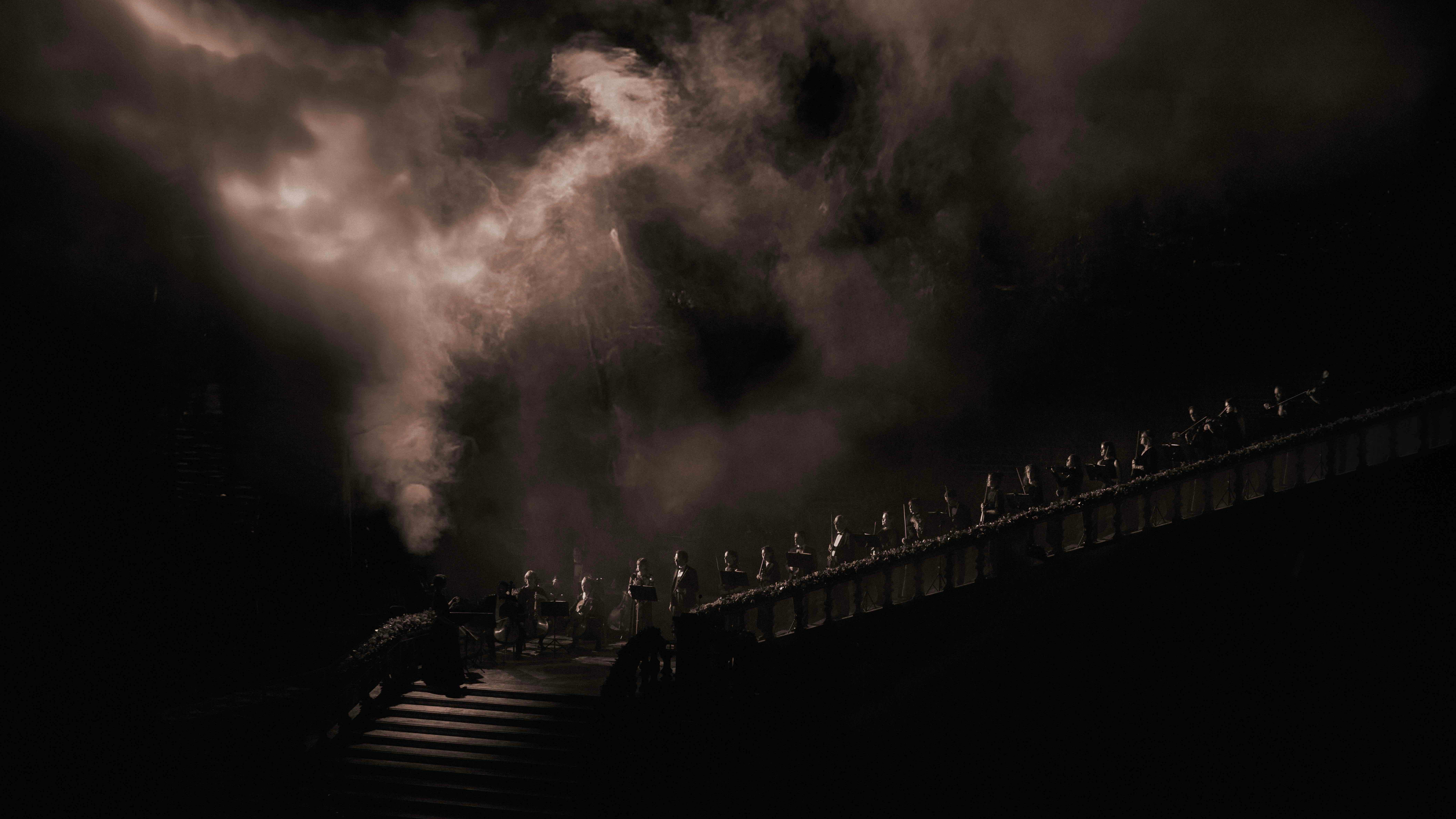 Alexander Wessely turns the Nobel Prize ceremony into a live artwork
For the first time, the Nobel Prize banquet has been reimagined as a live artwork. Swedish-Greek artist and scenographer Alexander Wessely speaks to Wallpaper* about creating a three-act meditation on light inside Stockholm City Hall
-
 At $31.4 million, this Lalanne hippo just smashed another world auction record at Sotheby’s
The jaw-dropping price marked the highest-ever for a work by François-Xavier Lalanne – and for a work of design generally
-
 NYC’s first alcohol-free members’ club is full of spirit
The Maze NYC is a design-led social hub in Flatiron, redefining how the city gathers with an alcohol-free, community-driven ethos


-
 A new photo book takes you behind the scenes of some of cinema's most beloved films, from 'Fargo' to 'Charlie's Angels'
Set decorator Lauri Gaffin captures Hollywood's quieter moments in an arresting new book
-
 Sean Ono Lennon debuts music video for ‘Happy Xmas (War Is Over)’
The 11-minute feature, ‘War is Over!’, has launched online; watch it here and read our interview with Sean Ono Lennon, who aimed to make a music video ‘more interesting’
-
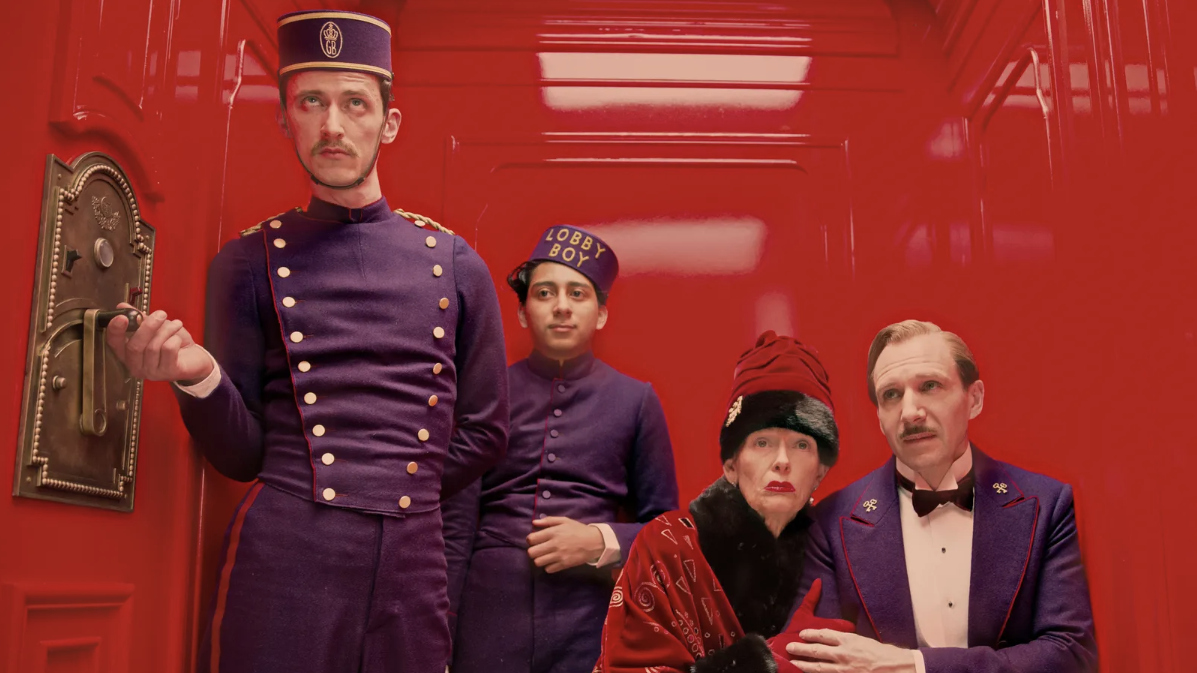 Wes Anderson at the Design Museum celebrates an obsessive attention to detail
‘Wes Anderson: The Archives’ pays tribute to the American film director’s career – expect props and puppets aplenty in this comprehensive London retrospective
-
 Out of office: the Wallpaper* editors’ picks of the week
As we approach Frieze, our editors have been trawling the capital's galleries. Elsewhere: a 'Wineglass' marathon, a must-see film, and a visit to a science museum
-
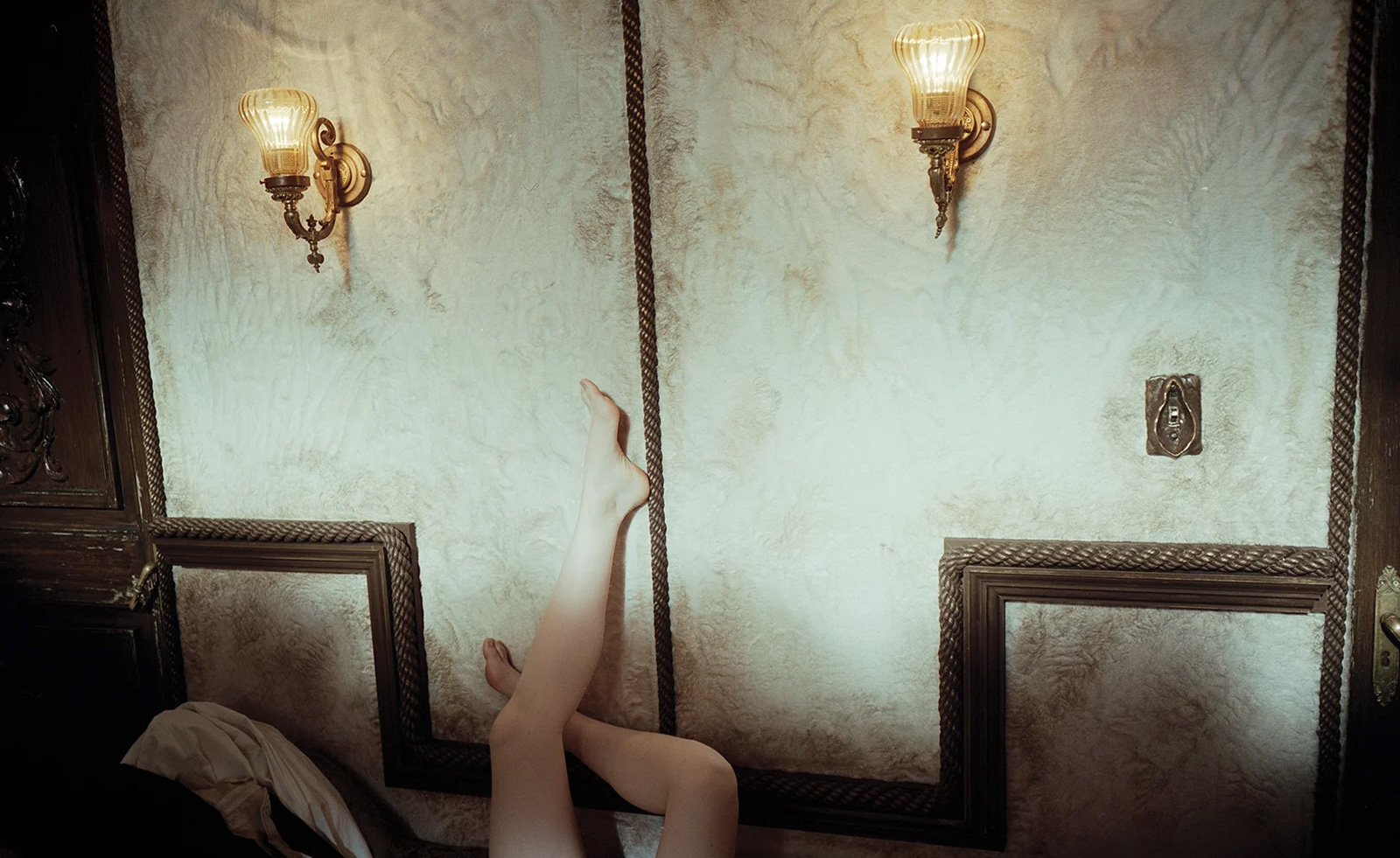 Unlike the gloriously grotesque imagery in his films, Yorgos Lanthimos’ photographs are quietly beautiful
An exhibition at Webber Gallery in Los Angeles presents Yorgos Lanthimos’ photography
-
 ‘Life is strange and life is funny’: a new film goes inside the world of Martin Parr
‘I Am Martin Parr’, directed by Lee Shulman, makes the much-loved photographer the subject
-
 The Chemical Brothers’ Tom Rowlands on creating an electronic score for historical drama, Mussolini
Tom Rowlands has composed ‘The Way Violence Should Be’ for Sky’s eight-part, Italian-language Mussolini: Son of the Century
-
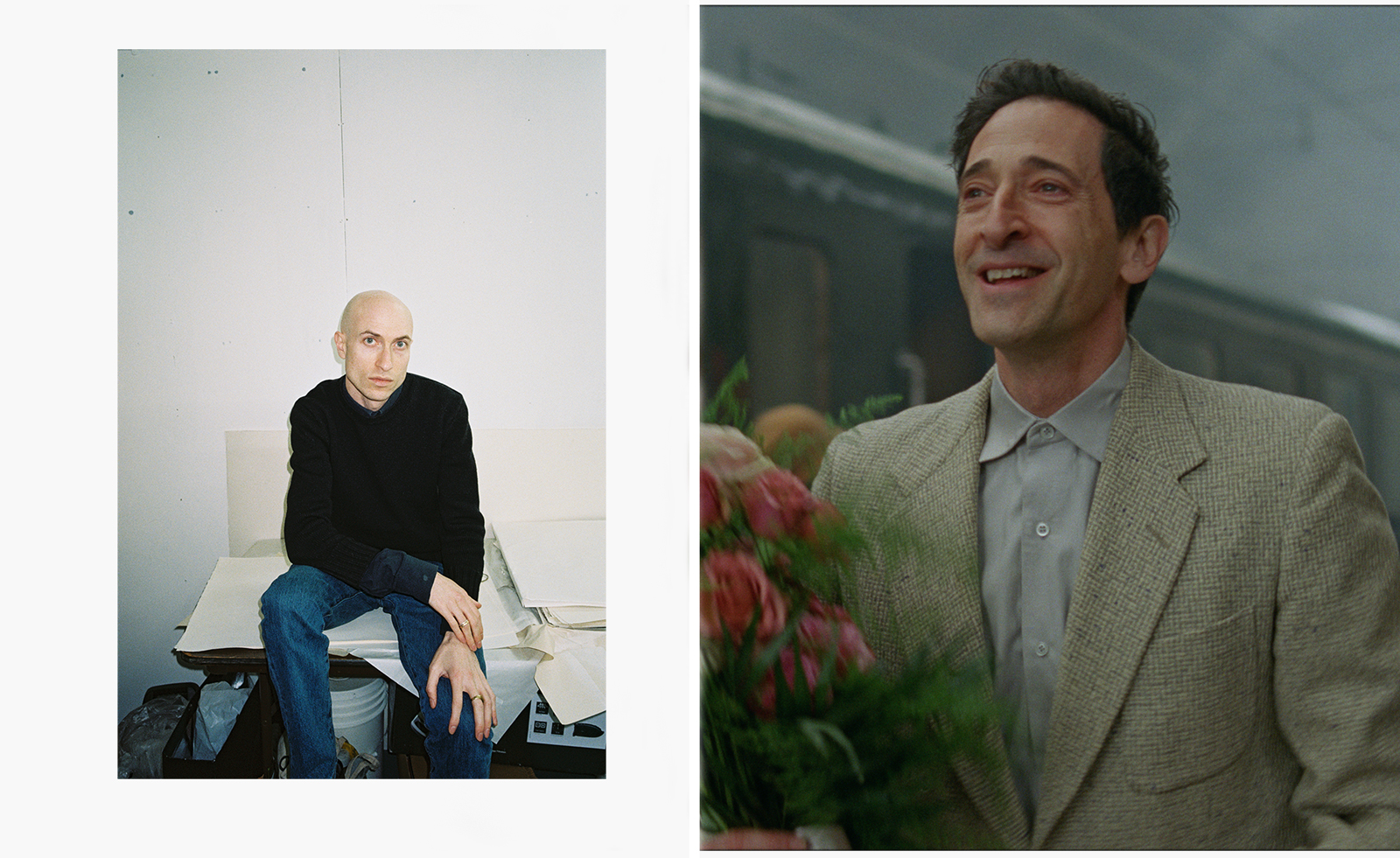 Meet Daniel Blumberg, the British indie rock veteran who created The Brutalist’s score
Oscar and BAFTA-winning Blumberg has created an epic score for Brady Corbet’s film The Brutalist.


