
In Partnership With Fiat
At Milan Design Week, scale often dominates the conversation – larger installations, louder statements, ever more immersive environments. Fiat’s ‘Ciao Futuro!’ took a different approach. Its focus was smaller, more specific, and perhaps for that reason, more resonant.
Presented at Magna Pars, the installation centred on the joys of the small car. Not simply as a product category, but as a cultural and social object shaped by the rhythms of urban life. Fiat has long operated in this space, developing vehicles that respond to constraint with ingenuity, where efficiency and accessibility become defining design principles rather than limitations.

Inside the 'Ciao Futuro!' exhibition
The exhibition was structured as a journey through the brand’s design DNA. A central tunnel guided visitors through a sequence connecting past, present and future, mapping how Fiat’s approach to mobility has evolved alongside the cities it serves. It’s a narrative device that avoided nostalgia, instead framing history as an active tool for thinking forward.
Two models provided key reference points: the 1959 Fiat Nuova 500 and Fiat Panda directly from the 1980s, designed by Giorgetto Giugiaro. Both are emblematic of their time, yet remain strikingly relevant, examples of how clarity of purpose can translate into enduring form. Seen together, they outlined a lineage defined less by style than by intent.

Details from the 'Ciao Futuro!' exhibition
That lineage is extended through three concept proposals developed by students from IED and ISIA, all on display and each offering a distinct reading of what compact mobility might become. One reimagines the car as a shared, community-oriented space, shaped by the slower rhythms of small towns and conceived as an extension of the public realm. Another explores modularity and personalisation, proposing a vehicle that can adapt over time through reconfiguration, underpinned by principles of circularity and long-term use. A third takes a more atmospheric approach, asking how a car might create moments of pause – drawing on the rituals of the aperitivo to transform slowing down into a light, social experience, where innovation lies not in moving faster, but in stopping better. Together, they shift the conversation beyond efficiency alone, suggesting a future for the small car that is as much about behaviour and interaction as it is about form.
There was a noticeable shift here from object to experience. The installation invited participation, encouraging visitors to engage with the projects and contribute to the dialogue by selecting a preferred concept. In doing so, it positioned design not as a fixed outcome, but as an ongoing exchange between generations.

More details from the 'Ciao Futuro!' exhibition
In this context, the small car becomes something more than a practical solution. It emerges as a lens through which to consider broader shifts in how we navigate and inhabit the city. Fiat’s message is subtle but clear: the future of mobility may not require more, but better – more thoughtful, more human, and more attuned to the realities of urban life.
‘Ciao Futuro!’ ran from 21-26 April 2026 at Magna Pars, Milan. As part of the activation, Wallpaper* partnered with Fiat to brand four Topolino cars in the colours of the new Wallpaper* Travel Guides, which were visible across Milan throughout the week; see the editors’ Milan blog for more.
-
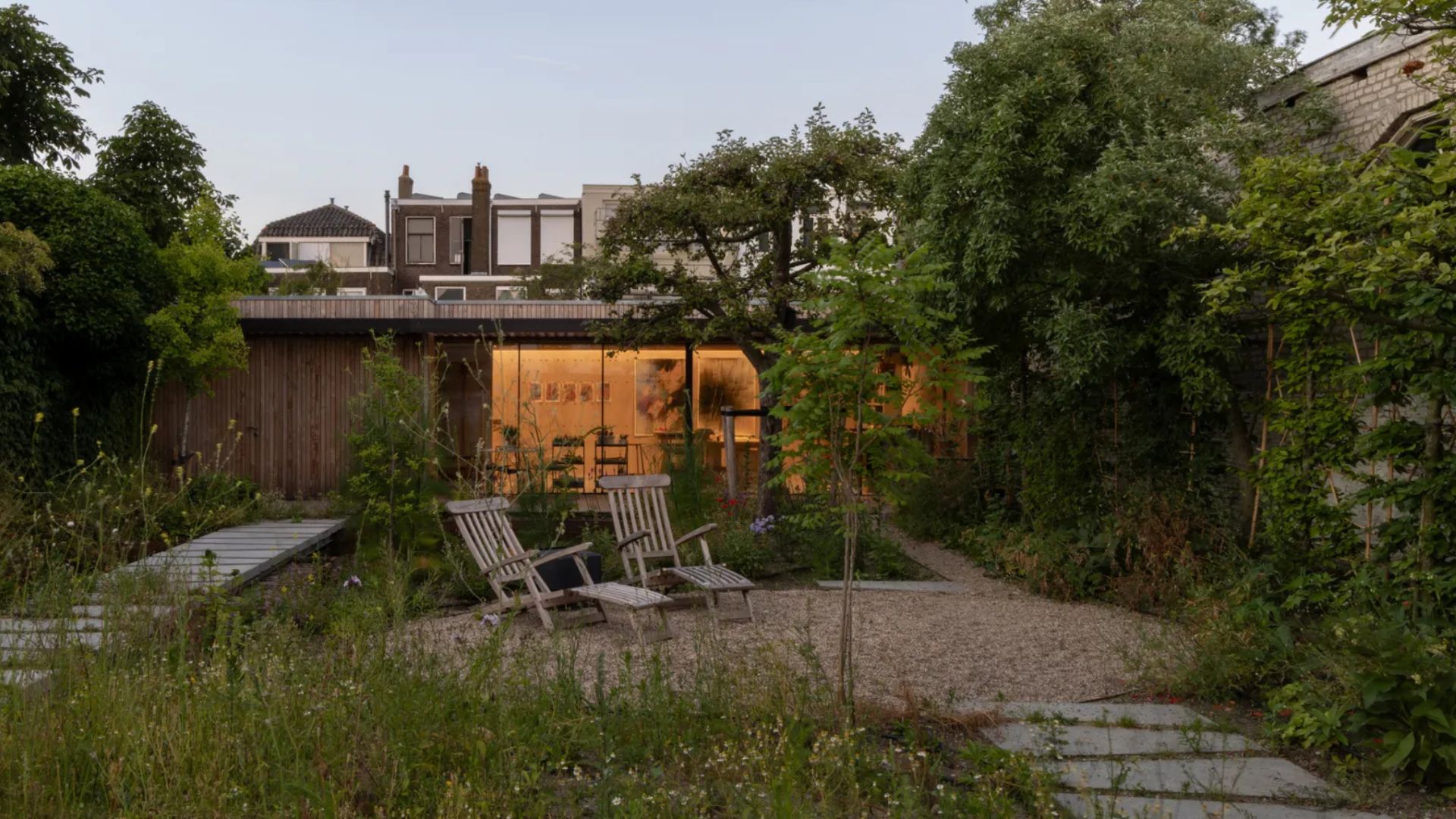 With a wild urban garden, this Dutch painter’s studio feels like a rural idyll
This refurbishment and update of a traditional Delft house places a painter’s studio within a richly planted town garden
-
 Step inside Tomás Saraceno's playful world at Haus der Kunst in Munich
At Haus der Kunst, the artist weaves immersive connections between the crucial elements of our ecosystem
-
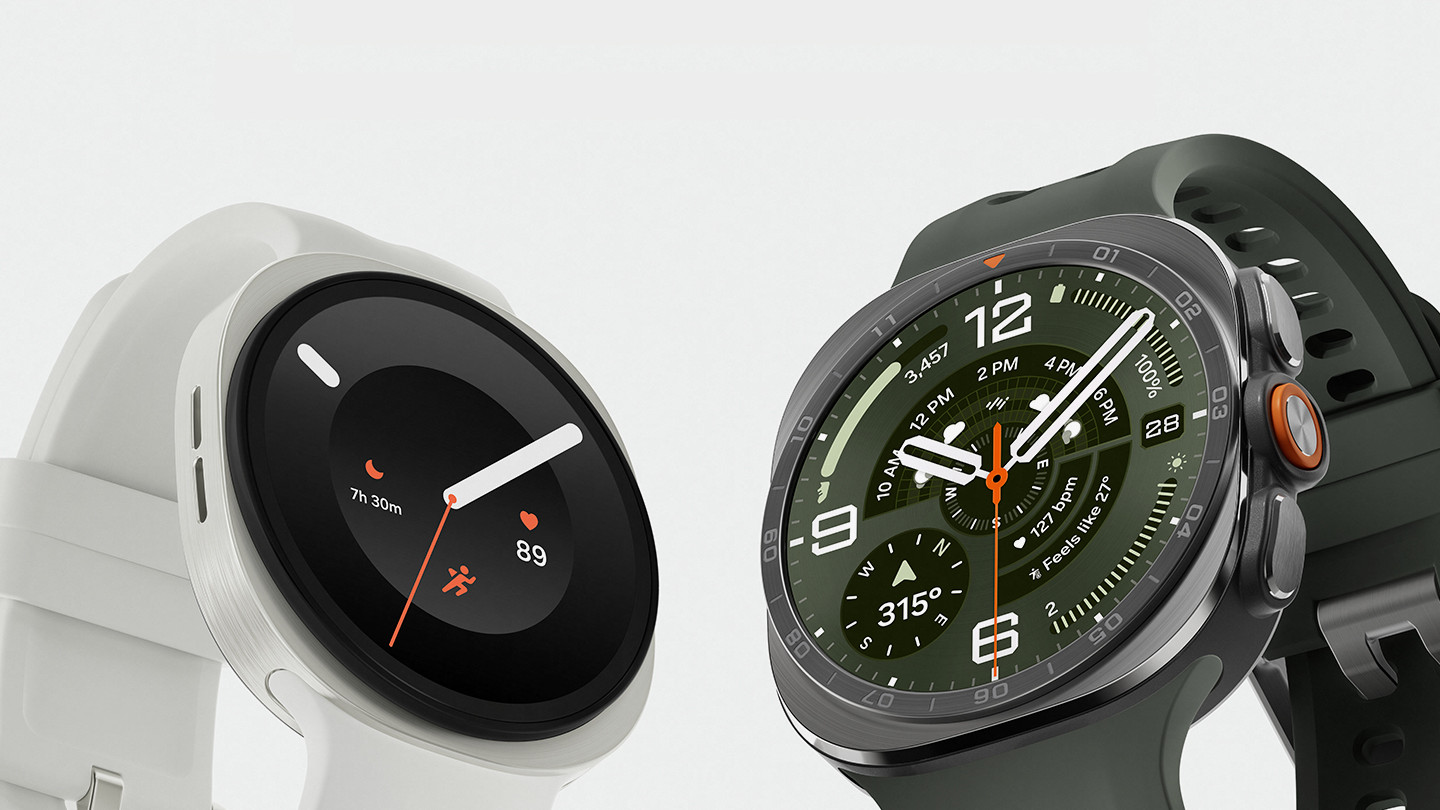 Whether you’re on a health kick or a diving trip, Samsung’s smartwatches are the ones to wear
The new Samsung Galaxy Watch Ultra2 and Galaxy Watch9 break cover with a host of upgrades, innovations and endurance qualifications


