
Launched in 2024 by self-taught designer Emmanuel Popoteur, New York-based studio Goodesign is rethinking modular furniture for modern life. Born and raised in Washington Heights, New York, Popoteur’s route into design was instinctive rather than academic, with roots in skateboarding, clothing design, and DIY architecture.
His debut ‘Eclipse’ collection introduced a system of Baltic birch plywood and stainless-steel bracket furniture, inspired by the structural efficiency of cellular beams. Similarly, his latest ‘Beam’ range – shown in Milan as part of an immersive sound installation by Italian menswear label Stone Island – pushes modularity even further, using simple bent aluminium elements that function as stools or side tables, and can be reconfigured into benches, consoles or shelves.

Based in New York, Goodesign creates adaptable, everyday systems designed to evolve with their users over time
Popoteur produces all of his pieces in the USA – Kentucky, Brooklyn, and New Jersey, to be exact – and works with a small group of collaborators: fabricators in New Jersey, a CNC specialist, and friends in the art and design world who support installations and events. His design philosophy rejects hype in favour of substance and longevity, creating robust, utilitarian furniture systems designed to live and grow with.
We caught up with Popoteur to hear how he’s redefining modular furniture on his own terms and his plans for the future.
Goodesign founder Emmanuel Popoteur reflects on his first year in business
Wallpaper*: What first drew you to furniture design?
Emmanuel Popoteur: When I was 13, I bought a heat press and began printing and designing clothes. For years, my world was built in graphics and flat planes. Then in 2021, at 22, I created a PVC chair that went viral online and was reposted by major publications. It brought me more praise and fulfilment than anything I’d done before. In that moment, I realized I wasn’t just making objects – I was solving problems in three dimensions, shaping form and space. It felt less like a discovery and more like remembering what I was always meant to do.
I started Goodesign because, although I’d been making sculptural furniture for a few years, I felt limited in the impact it could have on people’s lives. I wanted people to experience my work every day, in their own spaces, rather than just see it in a gallery for one day.

To date the studio has created two modular collections, Beam, shown here, is made up of aluminium components that can be used as a stool, table, bench, console, or shelf
W*: Both of your collections are modular systems that follow a design language or material. What does modularity mean to you, and why is it so central to your work?
EP: I think modularity is the most efficient and responsible way to design furniture, especially in cities. I hate waste – so all my materials are recyclable, like plywood, stainless steel, and aluminium – and modularity means the pieces can evolve instead of being thrown away. I imagine my work living for the next 100 years, maybe longer, because it’s endlessly useful and adaptable to whatever space or life it enters.
W*: How would you describe your design style?
EP: It’s about finding a balance between harmony, form and function to create something soulful.

Popoteur produces his work in the US, collaborating with fabricators in Brooklyn, New Jersey and Kentucky
W*: Who or what inspires you?
EP: My inspirations range from Marc Newson and Tom Sachs to Le Corbusier, African sculpture, and designs that are synonymous with the Black experience – spaces that carry a sense of history, resilience, and natural flow. That’s the energy I want Goodesign to embody.
I’m inspired by reimagining Black spaces – moving beyond institutionalised environments to create warm, beautiful, expansive settings with a deep sense of character & dignity. When we can imagine the most historically oppressed people living with that level of beauty and intention, it liberates everyone else too. Most people don’t think about design as much as I do. But regardless, it’s impossible to not feel it. Well designed furniture and spaces can change emotions, thoughts, actions, and ultimately lives. That vision is at the heart of Goodesign.
‘I think modularity is the most efficient and responsible way to design furniture, especially in cities. I hate waste – so all my materials are recyclable, and modularity means the pieces can evolve instead of being thrown away’
Emmanuel Popoteur
W*: Do you see Goodesign evolving beyond furniture?
EP: Goodesign started with modular furniture, but the long-term vision is to create a full design ecosystem – spaces people can actually live in. We’re working toward a cafe that doubles as a showroom, a boutique modular hotel, and eventually a line of prefabricated houses. The idea is that Goodesign isn’t just furniture; it’s a lifestyle and a spatial experience.
We’re continuing to scale and collaborate with people and brands that align with us. Our goal, alongside the cafe, hotel, and modular homes, is to mass-produce our furniture, which often surprises people. We want as many people as possible to experience Goodesign without sacrificing quality. That adaptability, combined with mass production, will be extremely impactful.

Popoteur designs with longevity in mind – his goal is to create furniture that lasts 100 years
W*: What have you learned in your first year since setting up your brand?
EP: I’ve learned so much. Being self-taught means I’m learning as I go. I’ve learned how important it is to balance creativity with structure. I’ve always been about ideas and aesthetics, but the first year forced me to think about production timelines, pricing, and how to get the pieces into people’s homes.
I also learned that Goodesign resonates most when it feels personal – when people see the human hand and the vision behind the brand. It’s made me double down on creating spaces and experiences, not just furniture. Goodesign started as a furniture project, but I quickly realised it could grow into a full lifestyle brand – furniture, spaces, and experiences. That realisation is shaping everything I do next.
-
 Coolnvintage creates bespoke Land Rovers for discerning lovers of utilitarian style
We visit the Lisbon-based workshop of Coolnvintage, Land Rover lovers who want to bring the functional purity of this classic machine back up to scratch
-
 Zenith unveils the ultimate timepiece for the modern urbanite at LVMH Watch Week
The new Defy Skyline Chronograph in bold black ceramic is engineered to keep pace with the ceaseless rhythm of urban life
-
 Discover Renée Gailhoustet and her radical approach to socially engaged housing
The Algerian-French architect thrived on creating bespoke designs and remarkable social housing; a new exhibition at the Architectural Association in London revisits the case study of Le Liegat in Paris


-
 Five things we loved at ICFF this year
From ceramic sconces to inflatables, here's the furniture and lighting that caught our eye
-
 Ludmilla Balkis’ organic, earthy ceramics embody the Basque countryside
The sculptor-ceramicist presents a series inspired by and created from found natural objects in a New York exhibition
-
 Designer Danny Kaplan’s Manhattan showroom is also his apartment: the live-work space reimagined
Danny Kaplan’s Manhattan apartment is an extension of his new showroom, itself laid out like a home; he invites us in, including a first look at his private quarters
-
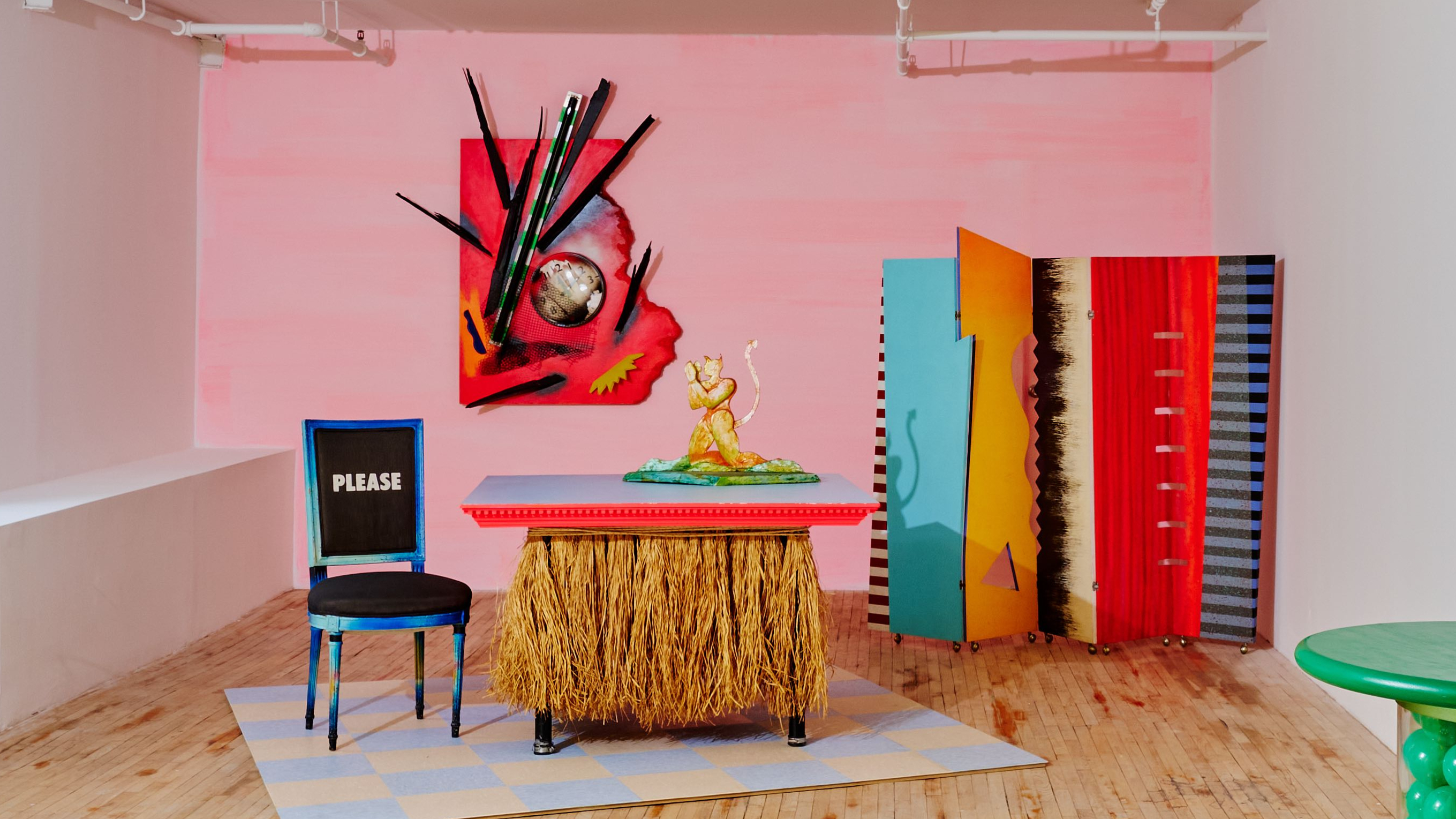 New Superhouse show captures the rebellious spirit of Dan Friedman’s Manhattan apartment
In the late 1970s, graphic designer and artist Dan Friedman transformed his apartment into a Day-Glo laboratory of ideas. Now, a new exhibition at Superhouse in New York revisits his vibrant, rebellious world
-
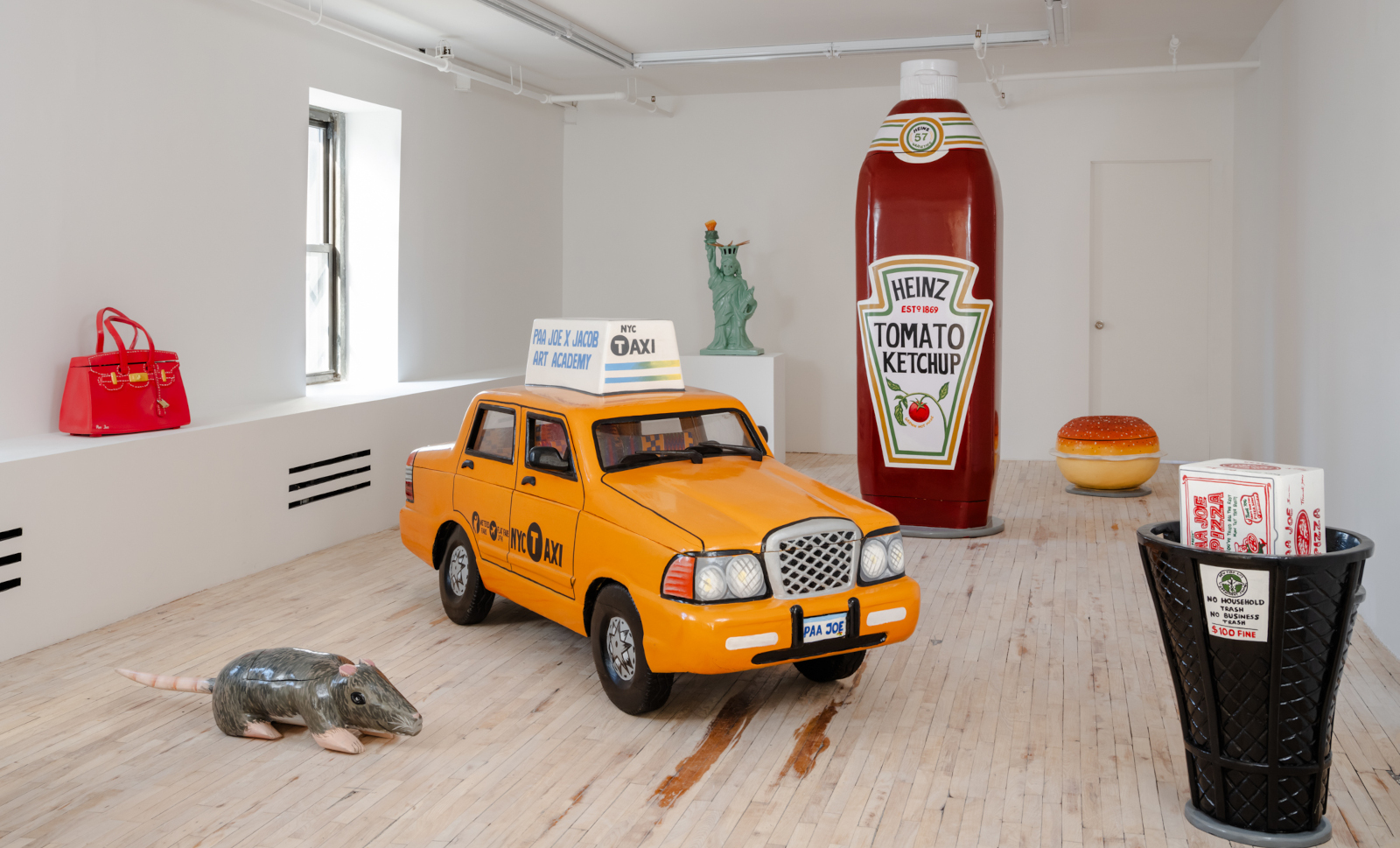 Taxi cabs and pizza boxes: New York icons are reimagined by Paa Joe at Superhouse Gallery
New York’s beloved tokens, from the Statue of Liberty to the classic yellow taxi cab, are reimagined by Paa Joe for Superhouse's inaugural show in New York, ‘Celestial City’
-
 Bathhouse Flatiron features atmospheric interiors by Rockwell Group
In NYC, Bathhouse Flatiron evokes the 'futuristic remnants of an ancient civilisation'
-
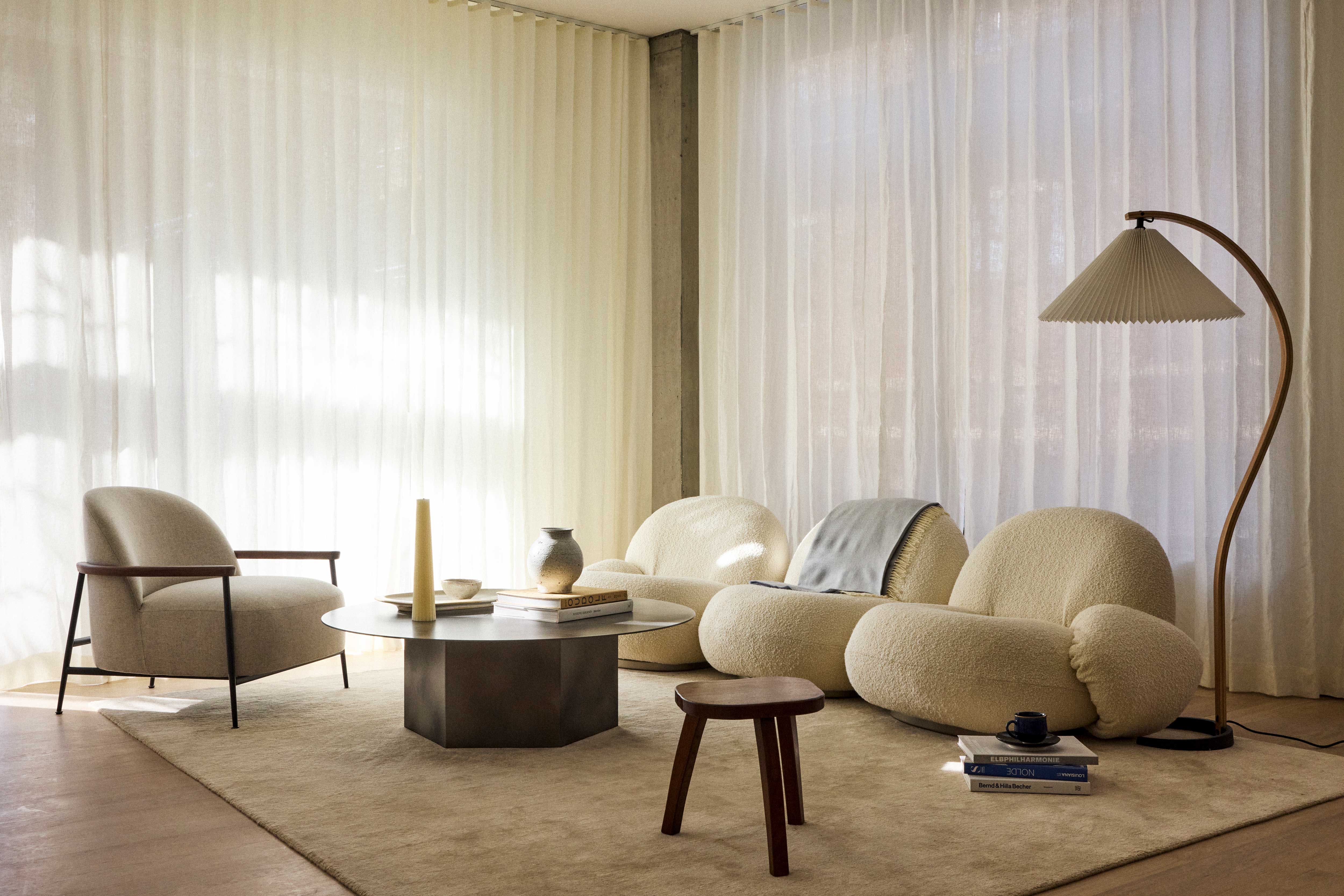 Brooklyn’s Nine Chapel unveils interiors by Gubi
Designed by SO-IL, Nine Chapel in Brooklyn is a new residential tower with a model residence by Danish design brand Gubi
-
 Homeware and design store Beverly’s puts down roots in New York’s Chinatown
Beverly’s was founded by Beverly Nguyen as a retail destination focused on community by supporting small business owners, creatives and craftspeople


