
Mexico City’s topography spans the remains of a drained lake, several waves of concrete urban sprawl in a valley surrounded by mountains, and the hard black volcanic grounds that lent inspiration to one of the city’s best examples of modern architecture – El Pedregal. This housing development owes its name, literally meaning ‘rocky place’, to the petrified lava that covered an area of some 80 sq km, deposited when the Xitle volcano erupted some 1,600 years ago. The area remained largely undeveloped until the mid-20th century.
This changed drastically in the 1940s, when Mexican architect and future Pritzker Prize winner Luis Barragán started working on El Pedregal, a residential experiment aiming at bringing together architecture and landscape. The project was well received by clients, who saw in the design a possibility for new beginnings in an unexplored part of town.
The area soon became a breeding ground for experimentation, accruing works by architects such as Max Cetto, Mathías Goeritz, Francisco Artigas, Pedro Ramírez Vázquez and, of course, Barragán. Casa Prieto-López was designed in the late 1940s by Barragán and is widely recognised as one of his most iconic residential projects. The house remained in the hands of the Prieto family until a couple of years ago, when it came on the market; the first from Barragán’s ‘golden period’ to be offered for sale. The biggest collectors in the world came calling, but it was eventually bought by businessman and art collector César Cervantes, who had moved to El Pedregal as a seven-year-old in the early 1970s and become mesmerised by the aesthetics of petrified lava.
Cervantes then invited his friend and fellow Barragán admirer Jorge Covarrubias to embark on one of the country’s most important restoration projects. Renaming the house Casa Pedregal, it soon became Cervantes’ biggest labour of love, with one clear objective – to rid the house of alterations added over time and return the design to its original purity. The team likened the process to ‘modern archaeology’, stripping down layers of recent history in search of the building’s beginnings and its original homely feel.
‘This house is not a museum. I wanted it to be a real house. I don’t even believe in museums; how am I supposed to live inside one?’ says Cervantes. ‘People think I don’t live here. They ask me why I have bottles of alcohol. They think they are props, but they’re not.’
Covarrubias, co-founder of local practice Parque Humano, confesses he had no idea where to start with the restoration. Even though his passion for Barragán was long standing, and he had worked in the past with Ricardo Legorreta, one of Barragán’s most proficient apprentices, this was the first project of its type for his office. ‘I did a lot of research about Barragán,’ recalls Covarrubias. ‘I felt an honest affinity with him, a real connection. I’m very interested in the formal representation of architecture, and the way poetry is constructed, and urban relationships.’
After studying numerous photographs, historical documents and local stories, and consulting with academics that specialise in Barragán’s work, the team bit the bullet and started on site, finding pleasure not only in the project’s possibilities but also its challenges. ‘Every single day, every moment, I discovered something new,’ says Cervantes. ‘The way the light bathes the walls, the way the colour changes with time, the relationship between the full and the empty.’
Cervantes confesses it was only when they were six months into the renovation works that he felt he could relax a little and breathe easy. And although the team’s mission had been to restore the house to its original state, they decided they also wanted to keep some memories and scars of the house’s life with the Prieto family, including marks on the wall where they had installed a lift, an old dividing wall, and a staircase.
Following 20 months of restoration works, the house is now back to its original midcentury form. Cervantes and Covarrubias modestly insist that they actually didn’t do much – at least nothing that Barragán hadn’t done before them. But they have breathed new life into this 66-year-old structure, which comes alive when Cervantes pumps up the volume of his sound system, reminding us that this is not a museum, but a real home.
As originally featured in the June Issue of Wallpaper* (W*207)

A staircase rises from the entrance foyer into an open-plan living and dining area

Cérvantes wanted the house to be restored to its original condition, and to be a real home

Pictured left: a perforated wall, a Barragán trademark, allows light to subtly penetrate internal spaces. Right: the minimalist fireplace, for cooler days in Mexico City, features the house’s original wall-hung companion set
INFORMATION
For more information, visit the Parque Humano website
Photography: Adam Wiseman. Copyright Barragan Foundation / 2016, DACS
-
 Remembering Valentino Garavani, master of Italian glamour (1932-2026)
‘The Last Emperor’ of fashion has passed away aged 93, it has been announced by his eponymous foundation today (19 January 2026). He will be remembered for his expressive vision of Roman glamour and cinematic muses
-
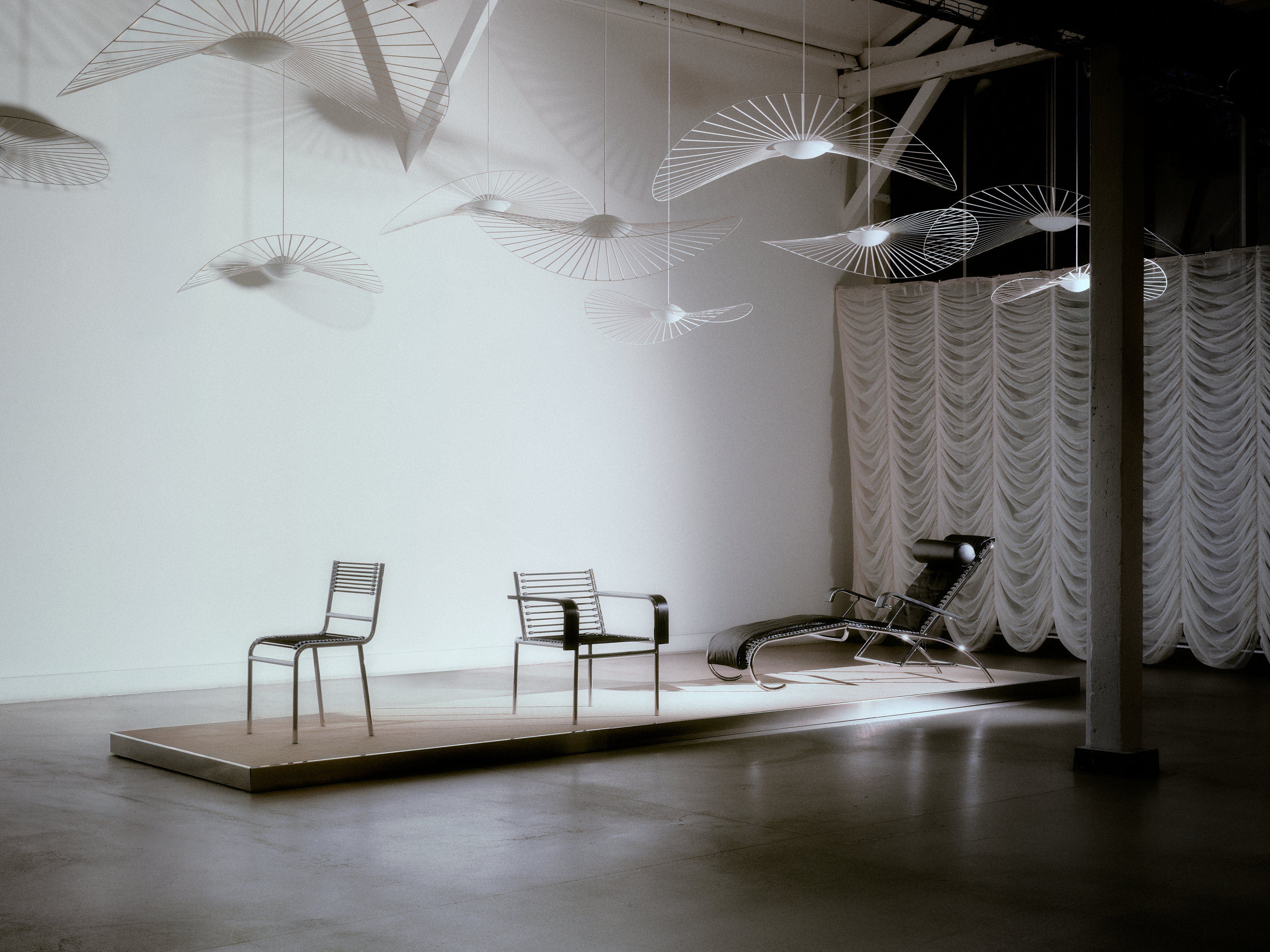 The design reissues we loved from Paris Design Week
We bring you the best contemporary interpretations of historic design, fresh from Paris Design Week 2026
-
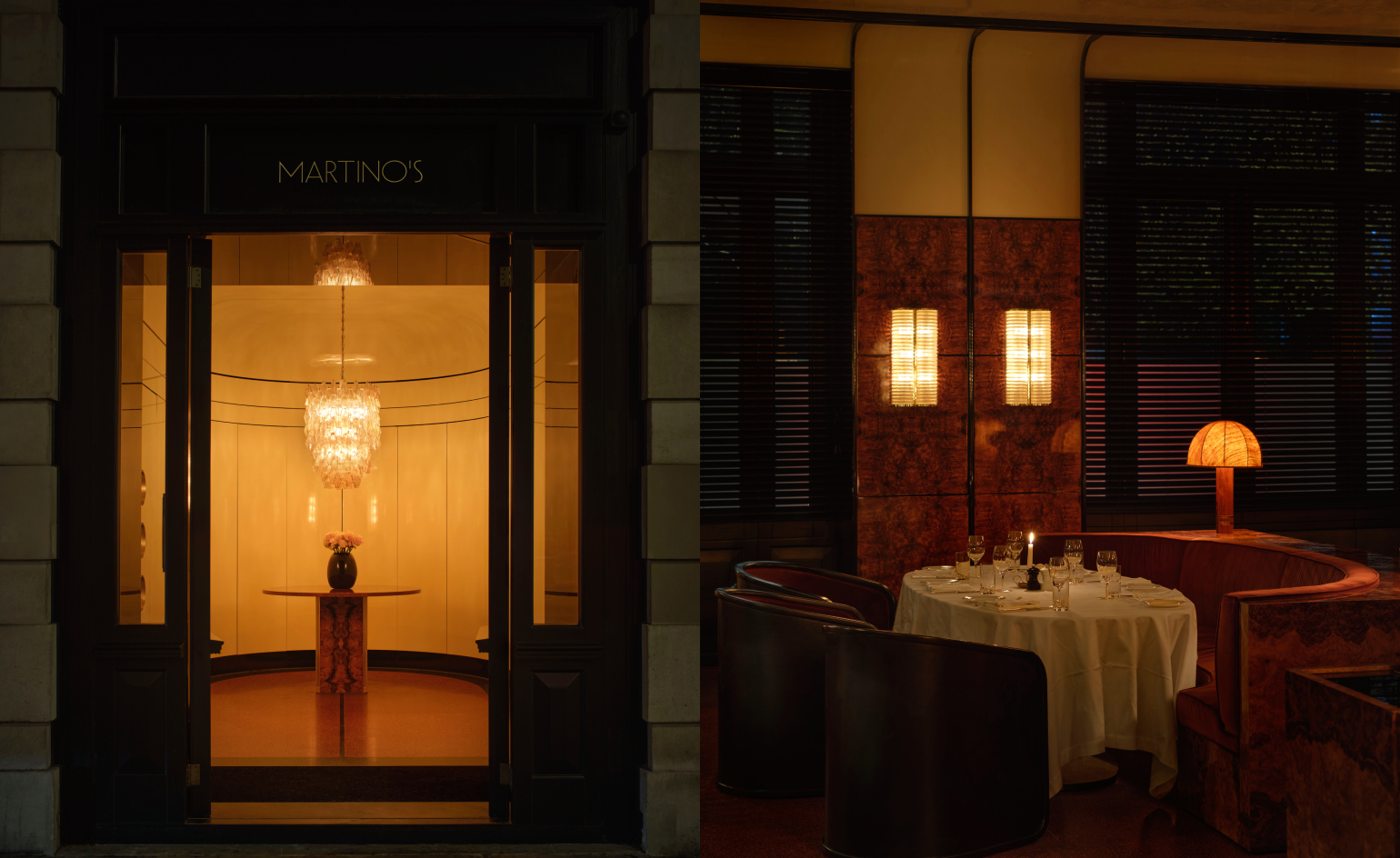 Martin Kuczmarski’s new London restaurant is made for long lunches and late nights
From the founder of The Dover comes Martino’s: a softly lit Italian trattoria in Sloane Square, where appetite, atmosphere and romance are inseparable


-
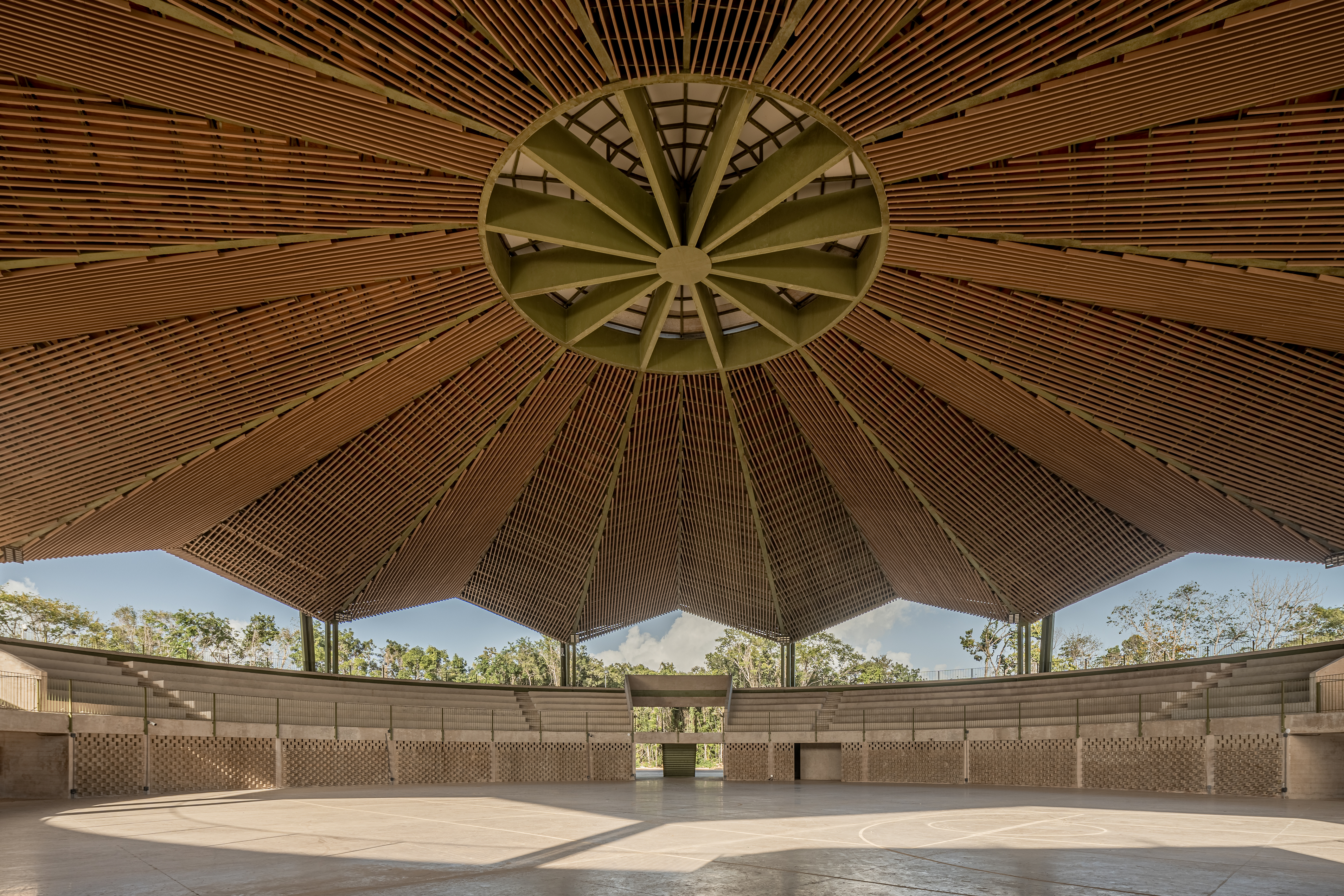 Aidia Studio's mesmerising forms blend biophilia and local craft
Mexican architecture practice Aidia Studio's co-founders, Rolando Rodríguez-Leal and Natalia Wrzask, bring together imaginative ways of building and biophilic references
-
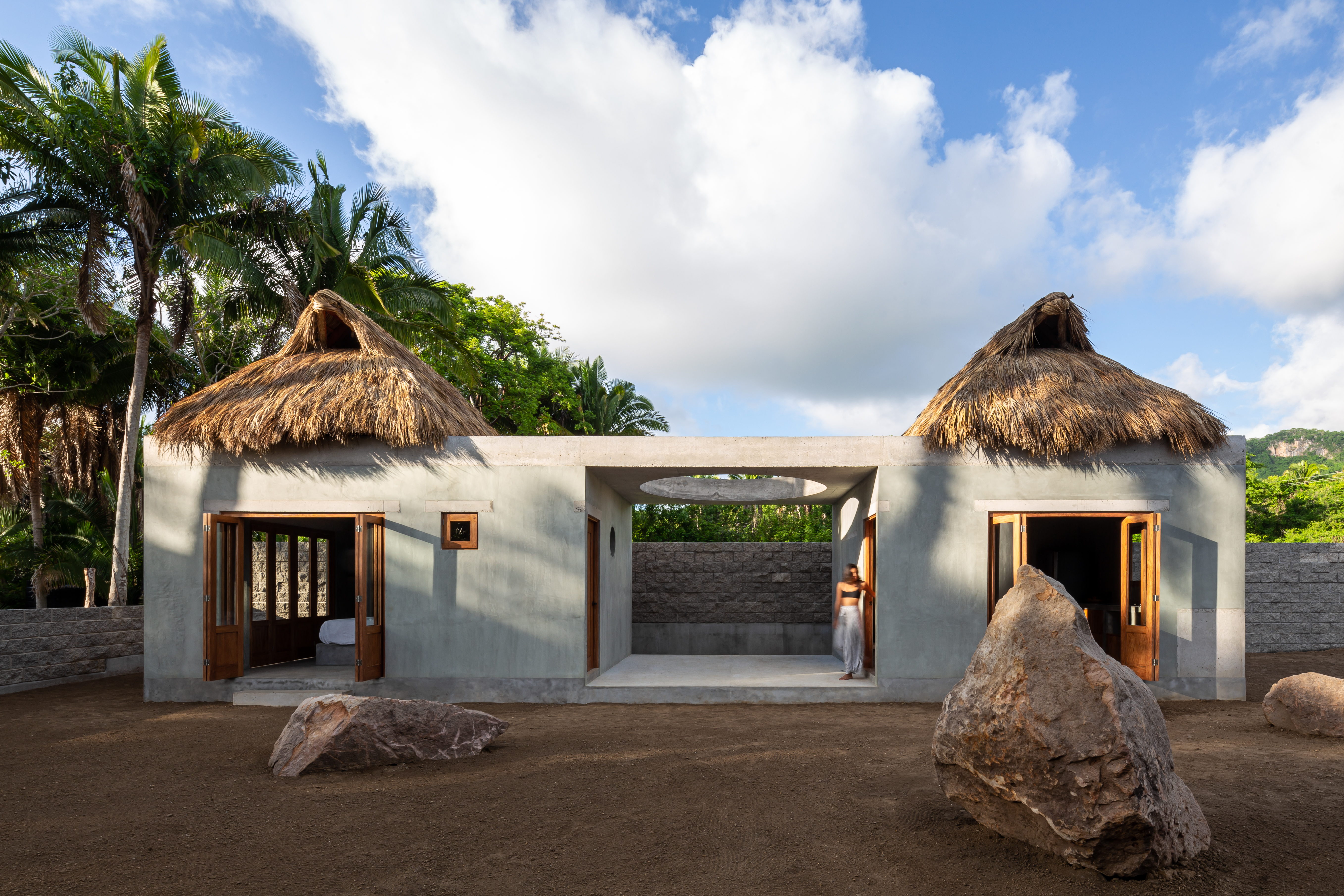 Mexico's Palma stays curious - from sleepy Sayulita to bustling Mexico City
Palma's projects grow from a dialogue sparked by the shared curiosity of its founders, Ilse Cárdenas, Regina de Hoyos and Diego Escamilla
-
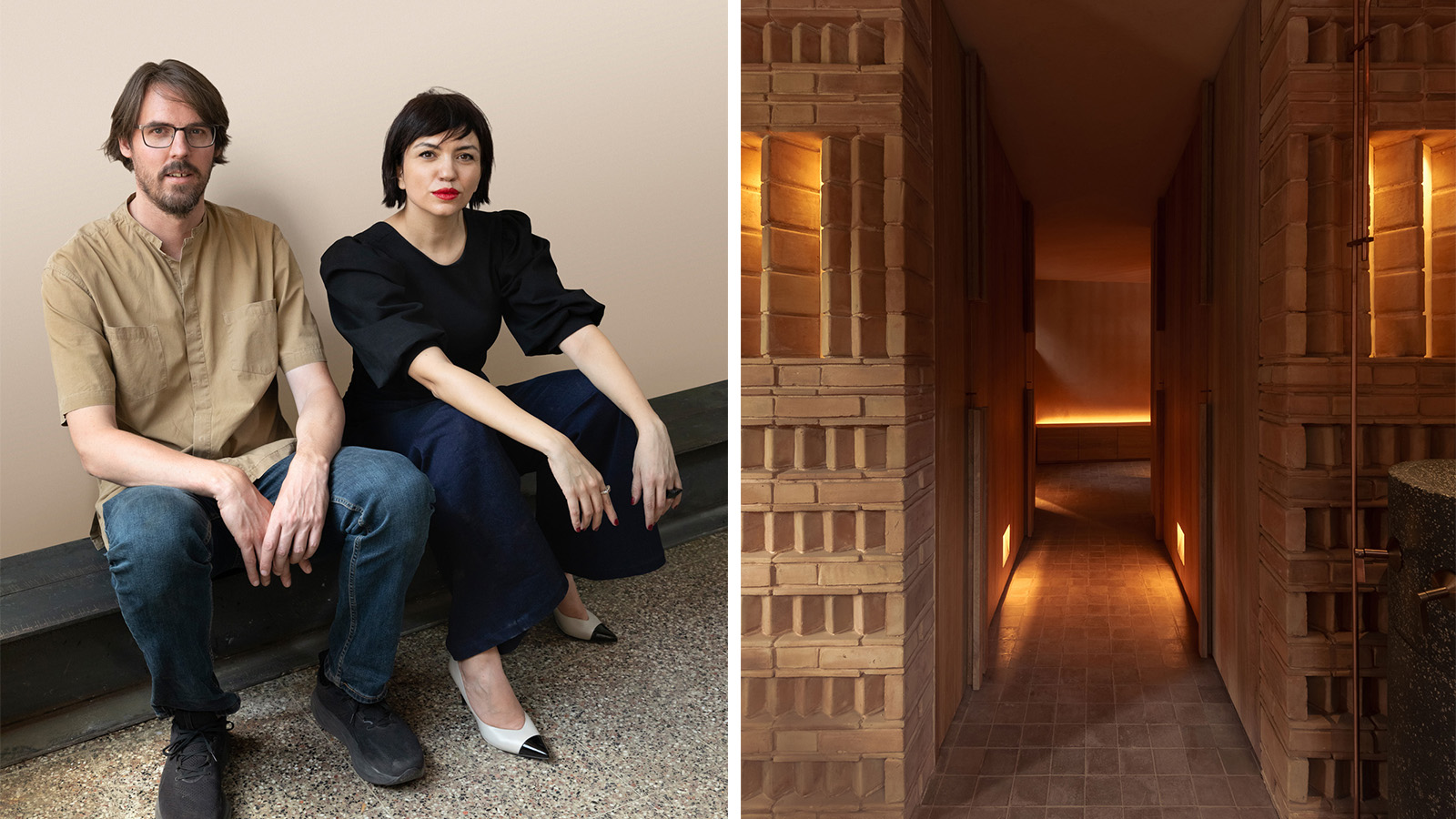 Discover Locus and its ‘eco-localism' - an alternative way of thinking about architecture
Locus, an architecture firm in Mexico City, has a portfolio of projects which share an attitude rather than an obvious visual language
-
 Deep dive into Carlos H Matos' boundary-pushing architecture practice in Mexico
Mexican architect Carlos H Matos' designs balance the organic and geometric, figurative and abstract, primitive and futuristic
-
 For Rodríguez + De Mitri, a budding Cuernavaca architecture practice, design is 'conversation’
Rodríguez + De Mitri stands for architecture that should be measured, intentional and attentive – allowing both the environment and its inhabitants to breathe
-
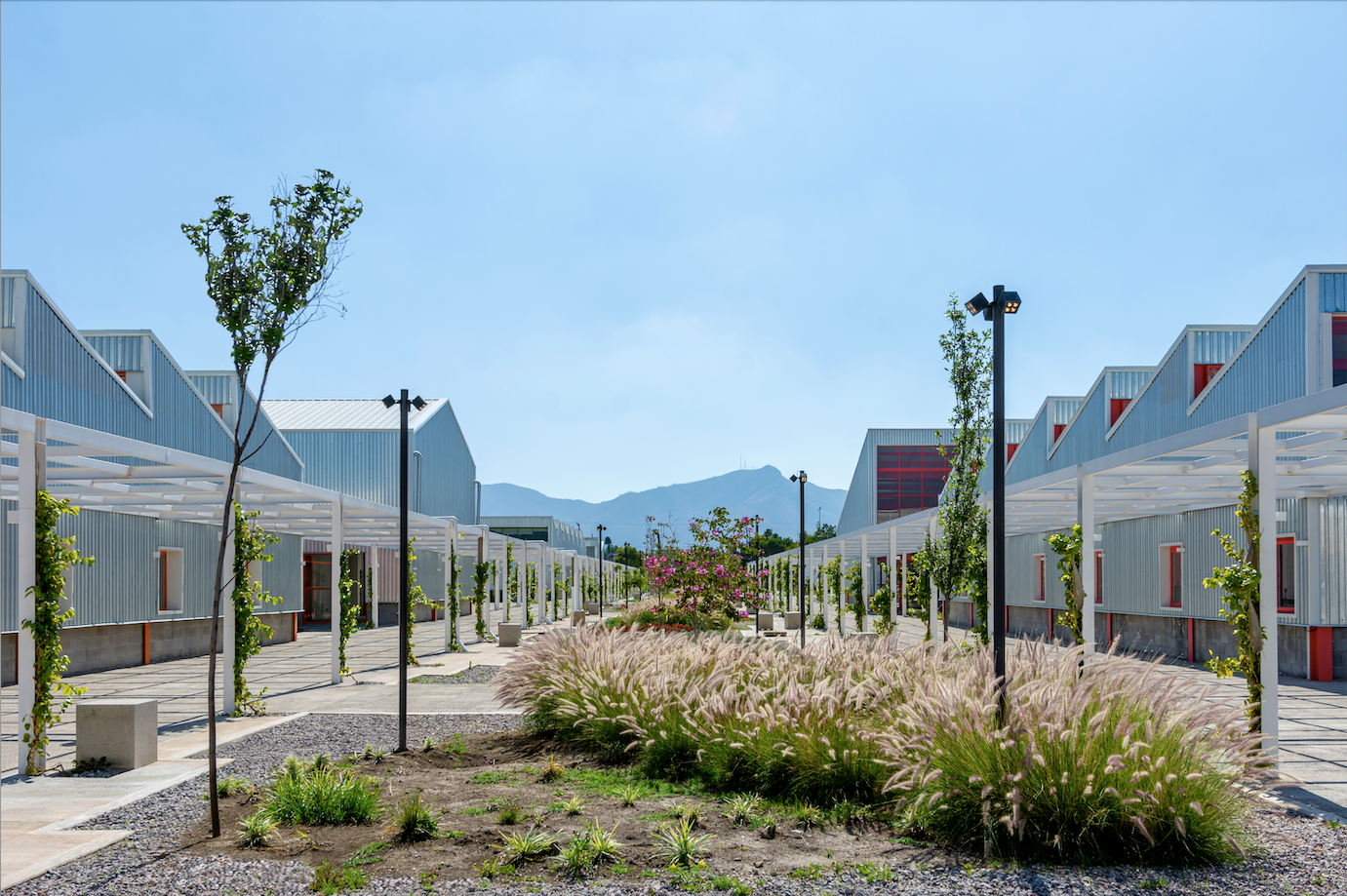 Mexico's Office of Urban Resilience creates projects that cities can learn from
At Office of Urban Resilience, the team believes that ‘architecture should be more than designing objects. It can be a tool for generating knowledge’
-
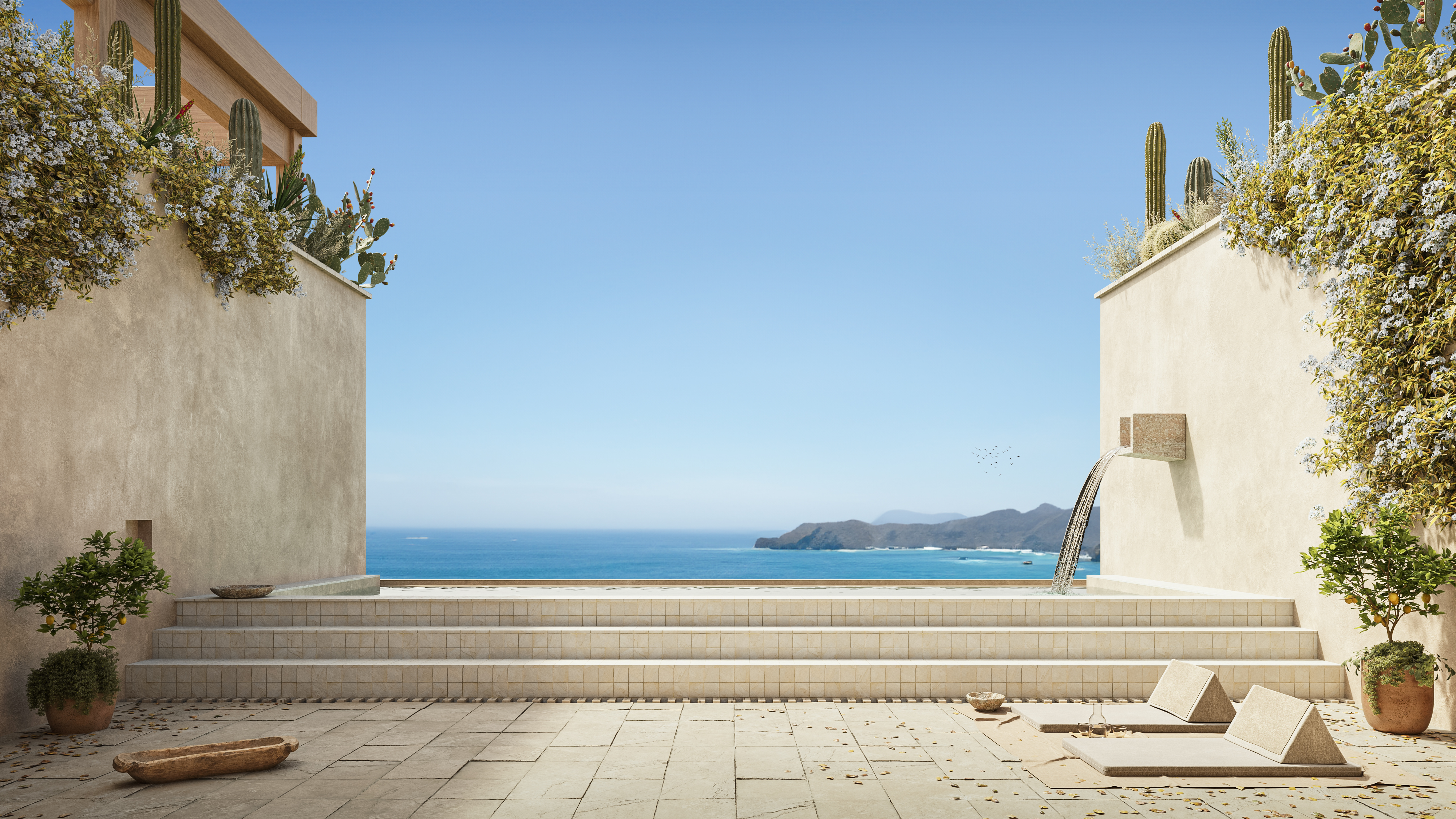 These Guadalajara architects mix modernism with traditional local materials and craft
Guadalajara architects Laura Barba and Luis Aurelio of Barbapiña Arquitectos design drawing on the past to imagine the future
-
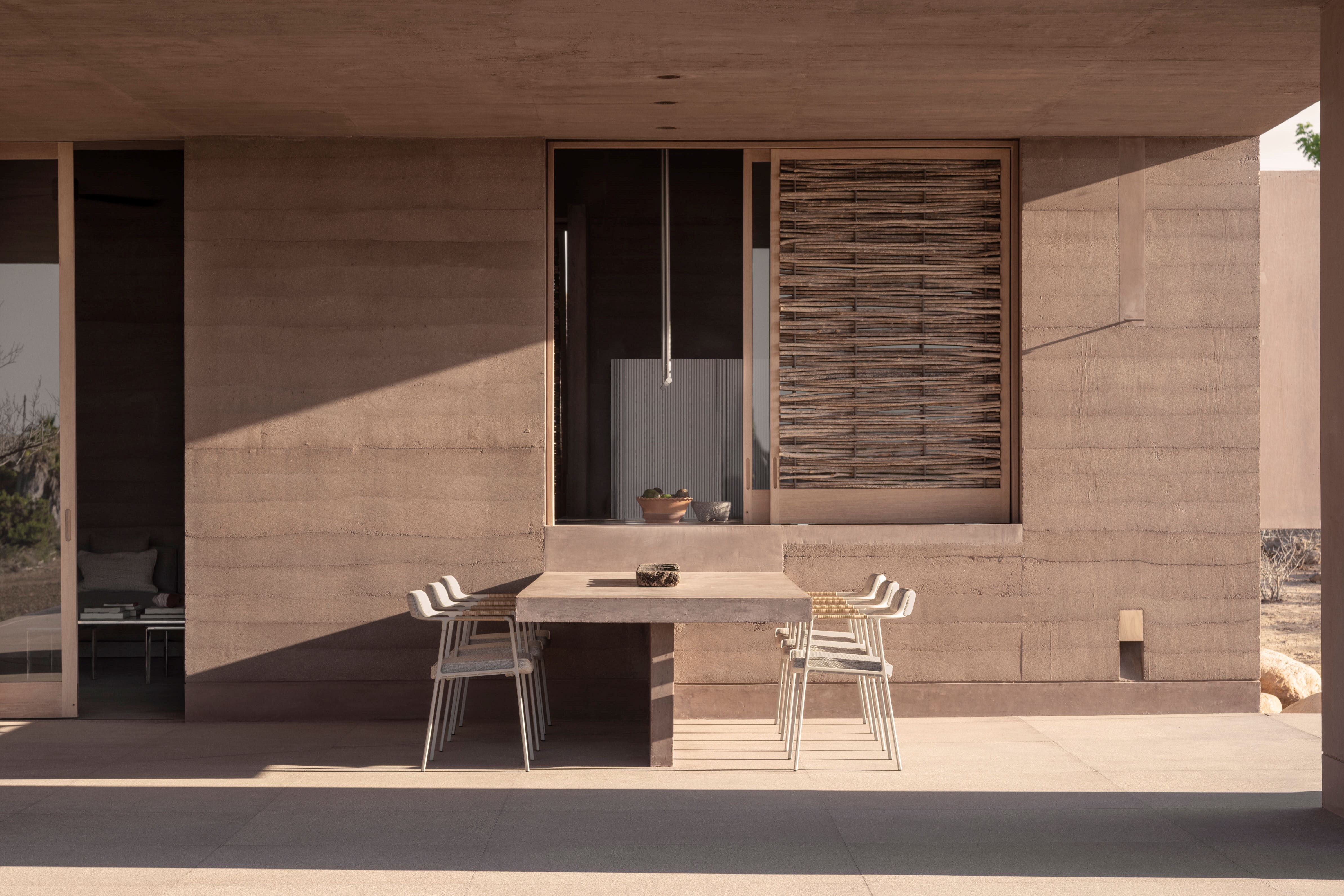 This Mexican architecture studio has a surprising creative process
The architects at young practice Pérez Palacios Arquitectos Asociados (PPAA) often begin each design by writing out their intentions, ideas and the emotions they want the architecture to evoke


