Smokey sweet: James Heeley’s 'Phoenicia' goes back to perfume’s roots
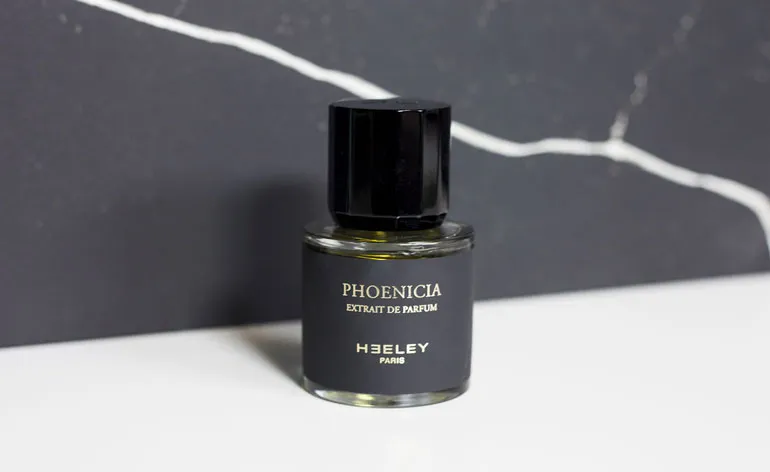
Though there's some dispute about its exact origins, the word 'perfume' most likely derives from 'fumes from a substance being burned', so you could say that Phoenicia, the latest fragrance from Yorkshire-born, Brussels-based perfumer James Heeley goes back to perfume's roots.
The name refers to the ancient civilisation that flourished in the eastern Mediterranean around 1000BC, but Phoenicia's smell is instantly evocative of childhood woodfires. 'I loved the way my hair smelled after a bonfire,' Heeley recalls; here, he's captured that memory using a mixture of cedarwood, oud, smoky birchwood and vetiver.
Luckily, there's more to Phoenicia than smoke. 'I've always loved the concrete of labdanum ciste,' Heeley says of the densest refined extract of the fragrant Mediterranean shrub Cistus ladanifer, 'which has a slight smell of dates or prunes.' Adding this to the formula gives Phoenicia an alluring hint of dried-fruit sweetness, which balances the smokiness in a very attractive way. It certainly lights our fire, in any case.
Receive our daily digest of inspiration, escapism and design stories from around the world direct to your inbox.