
In Partnership With Agnona
When fashion brand Agnona was founded in the Piedmontese village of Valsesia in 1953, it began as a textile house, supplying soft Italian wools and precious cashmere to the finest French couture houses. It makes sense, then, that when the brand unveiled its first Milanese flagship – following a comprehensive reinvention by CEO and creative director Stefano Aimone – the design would pay homage to those textile roots.
Located on via Santo Spirito, in the heart of Milan’s Montenapoleone fashion district, the store ‘evokes the rural world of Piedmont’, explains Aimone, referring to the brand’s birthplace, ‘yet still [retains] the clean lines of Milanese architecture’.
Upon entering, visitors are greeted by an undulating screen of bricks that ‘echoes the weave of fabric’, Aimone says, while also nodding to company founder Francesco Ilorini Mo’s humble beginnings in a red-brick farmhouse. Rendered in a neutral palette of creams, browns and ivory, the space feels serene, tactile and refined.

Details from inside Agnona's store
‘I wanted the concept of both fabric and thread to be very much present,’ says Aimone, pointing to a brass chandelier that resembles a hovering, illuminated knot; low armchairs draped with generous folds of wool; and even a pair of canvases by the 93-year-old Sardinian artist Maria Lai, which depict handwritten notes stitched in white and black wool.
Though founded in the 1950s, Agnona was reborn around five years ago, when Aimone took the helm of the heritage brand with the intention of carrying it into the 21st century. In many ways, the relaunch remains true to Ilorini Mo’s original vision. Above all, he was a textile designer driven by an unrelenting desire to seek out beauty. He scoured the world in search of the finest fibres, bringing them back to the Piedmontese foothills where he was born, to transform them into exceptional fabrics for maisons such as Givenchy, Balmain, Dior, Hermès and Pierre Cardin.

Canvas by Maria Lai for the Agnona store
In the 1980s, Agnona launched its own clothing line, opening monobrand shops in cities including Tokyo, Osaka, New York, Milan and Venice. For its reinvention, Aimone looked closely at that legacy. ‘Our research always starts with our archive,’ he says. ‘We have 70 years of fabrics we have developed for ourselves.’
In the latest collection, thick double-faced wool-cashmere blends are developed for softness, strength and warmth; ultra-fine linen and silk blends drape effortlessly; and crisp cotton poplin dresses are finished with peekaboo embroidered details. Everything is rendered in a restrained palette, punctuated only occasionally by saturated pastel tones – and, most importantly, entirely made in Italy.

Detail of the burl-wood table in the centre of the store
Yet not all references to the brand’s history are so immediate. Placed upon a burl-wood table in the centre of the flagship – a dark canaletto walnut monolith with veins of brass inspired by the Japanese kintsugi technique – is a sculptural intervention by the artist Lorenzo Vitturi. Built around the motif of the nest, the piece combines a rounded stone base, a blown-glass egg, and organic forms in wicker, wool and natural fibres, finished with a soft plume of Peruvian wool yarns – all references to the various passions and stages of Ilorini Mo’s long and industrious life.
‘We tried to encapsulate the story of this brand in one place,’ Aimone reflects. ‘Every corner tells a story.’
The Agnona flagship is at via Santo Spirito 12, Milan 20121, agnona.com
-
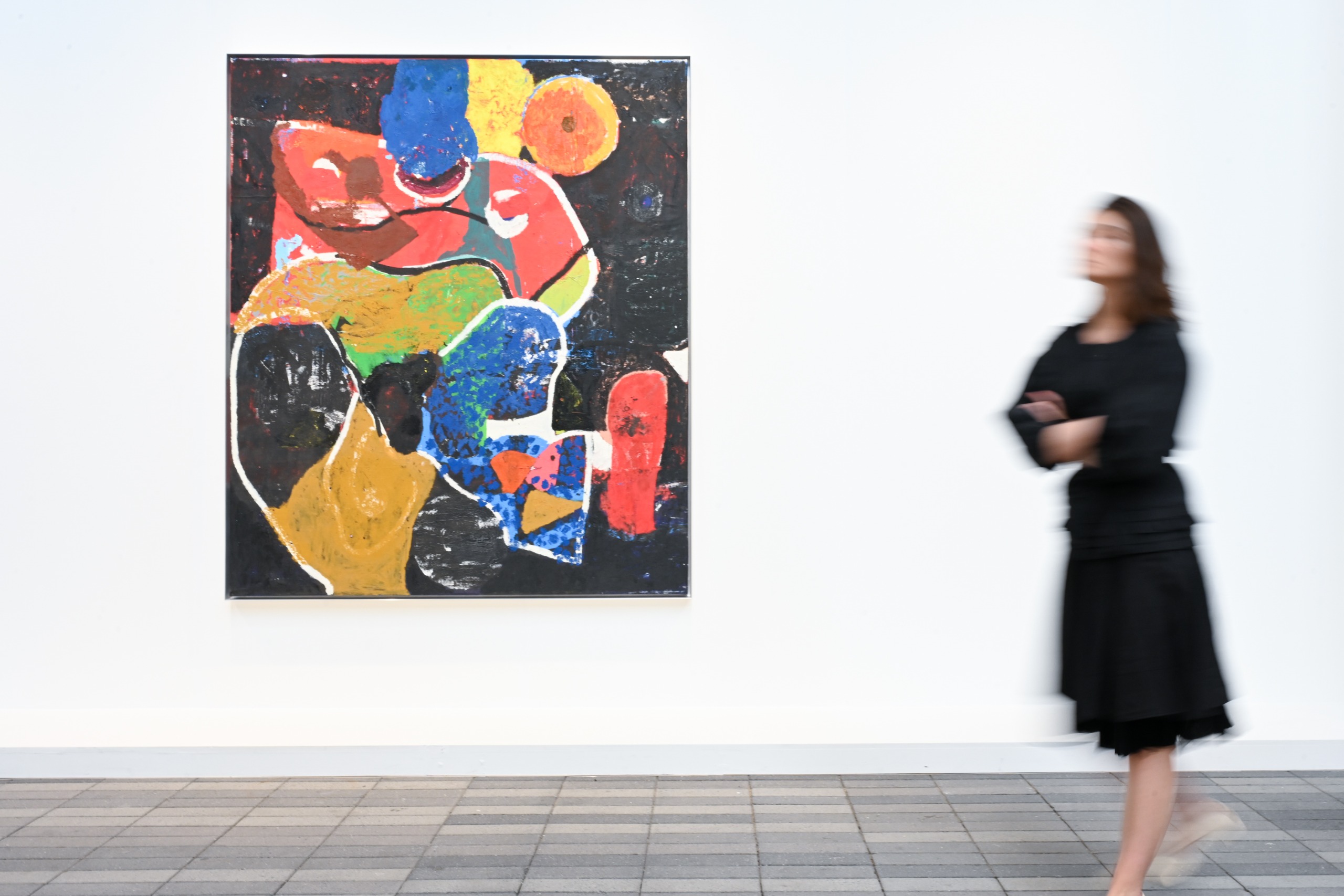 Frieze London 2026: Live updates from the Wallpaper* team
As Frieze London (14 - 18 October) opens its doors, discover what is going on around the city, as seen by the Wallpaper* team
-
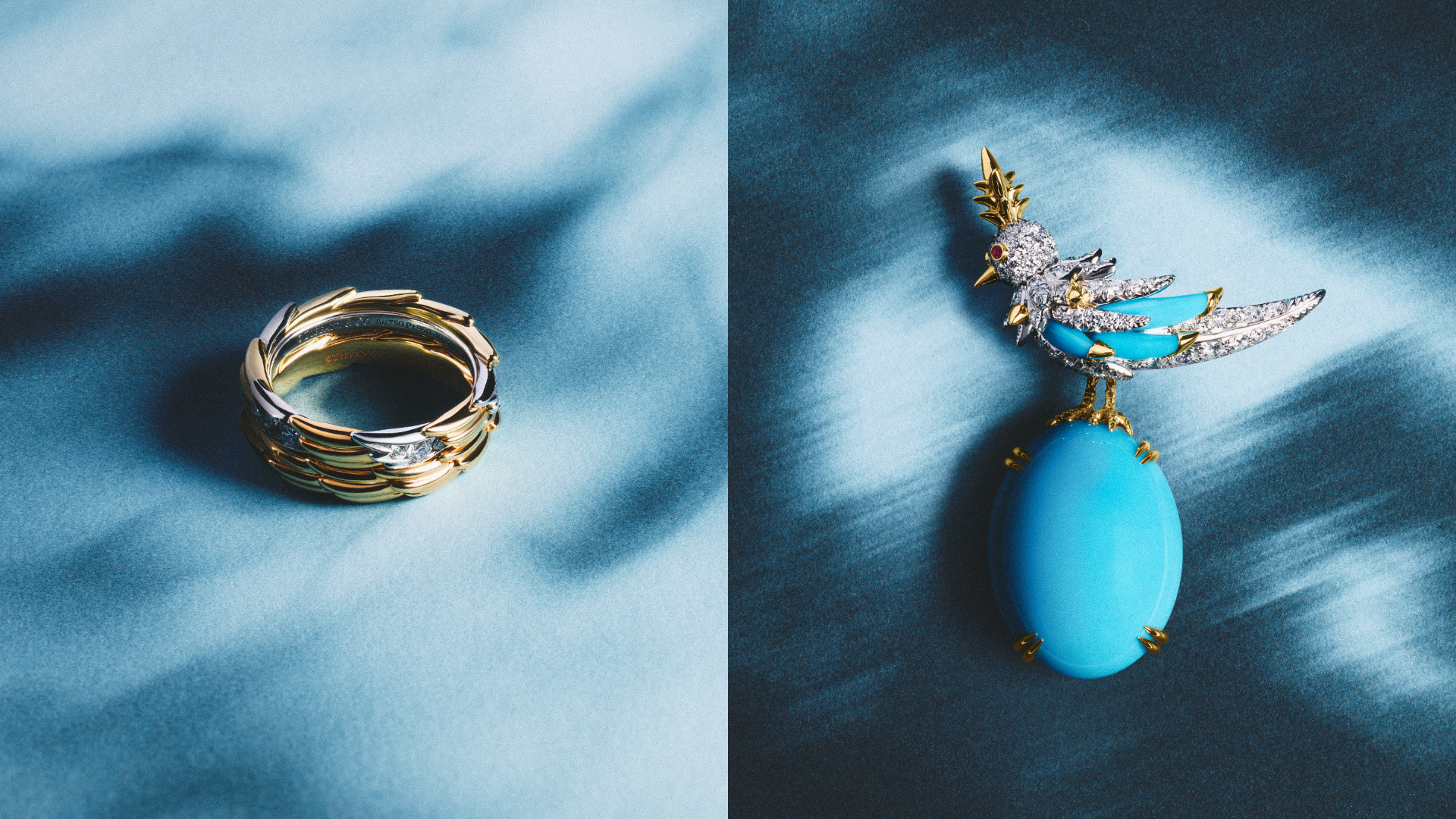 Tiffany & Co.’s latest collection celebrates the radical imagination and legacy of Jean Schlumberger
Inspired by Schlumberger’s original 1965 ‘Bird on a Rock’ brooch, the collection reimagines the iconic motif across new fine and high jewellery designs
-
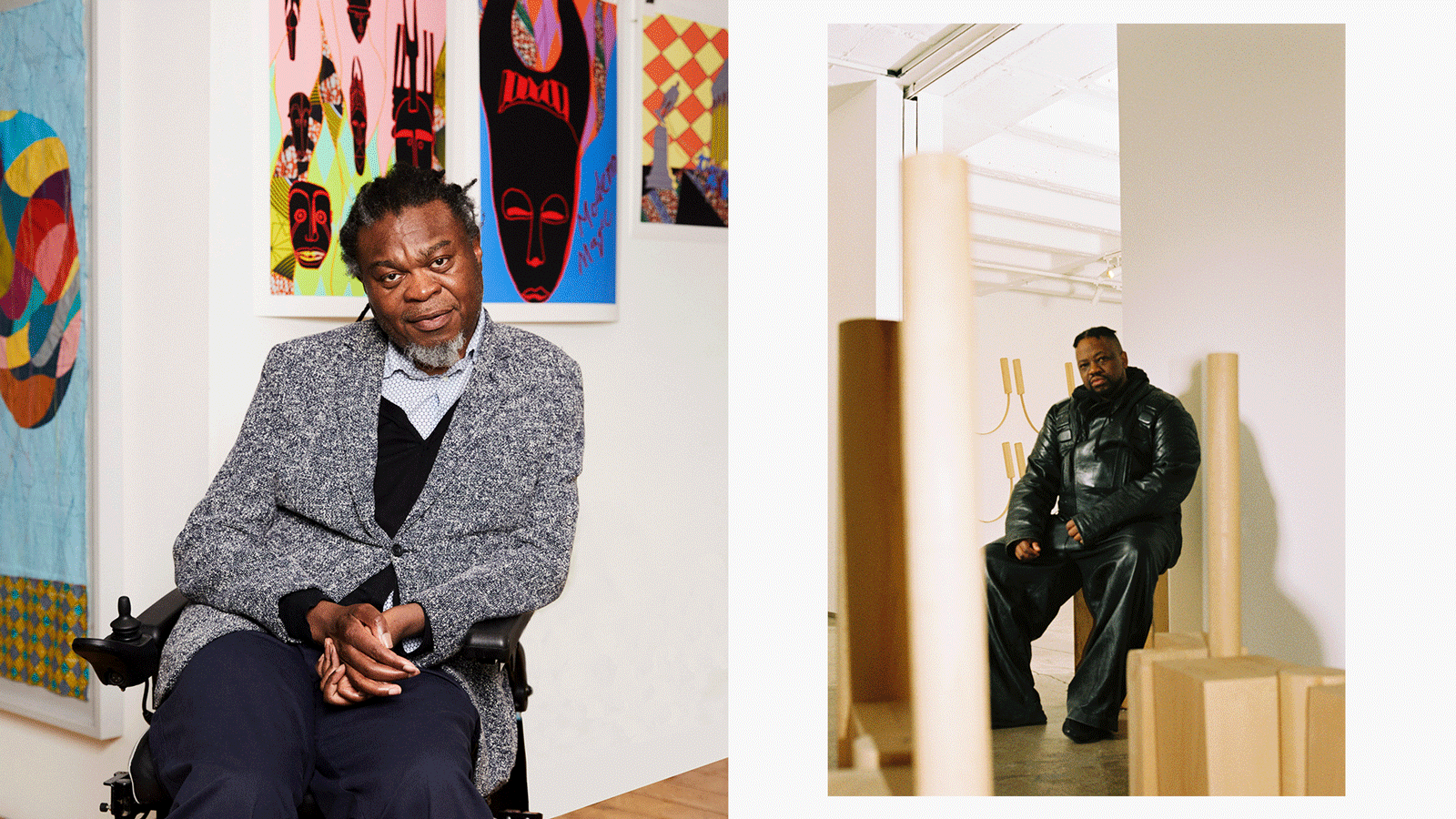 At Frieze, the Tiffany & Co-supported Artist-to-Artist programme spotlights emerging talent
Yinka Shonibare invites South African artist Unathi Mkonto to Frieze London 2026 for Artist-to-Artist, sponsored by Tiffany & Co

