
In Partnership With Febal Casa
At Milan Design Week 2026, Febal Casa presented a vision of the home as an integrated, adaptable system, reflecting broader shifts in how domestic spaces are designed and experienced. The design brand chose not to isolate individual pieces for showcasing, but instead to frame the home as a continuous, interconnected environment.
Operating as part of the Colombini Group, Febal Casa created a 900 sq m stand that drew on the principles of Italian Rationalism – a movement that balanced European functionalism with classical proportion – using a fluid layout to guide visitors through a sequence of spaces. Designed with A++ studio, the installation was unified through a consistent material language, from travertine-effect surfaces to herringbone flooring, with light used to define rhythm and volume rather than simply illuminate.
‘In recent years, we have invested in research and development to create projects that bring strong added value to the Febal Casa brand. Today – and looking ahead – our focus is on standing out within the furniture market and strengthening the brand’s impact across all our stakeholders through technology, concept development, and product design,’ says Emanuel Colombini, chairman and chief design officer of Colombini Group.

'Giorno' collection
‘The vision of an integrated system underpins the concept presented at Salone del Mobile: home, wherever you are. This principle defines a continuous and coherent design approach applied across all “living environments”: from showrooms and trade fairs to contract projects and private homes. Through this approach, Febal Casa designs domestic systems that shape connections between places, cultures, and lifestyles, using coordinated finishes and materials to create a recognisable style worldwide,’ he adds.
In Milan, the concept unfolded through four distinct lifestyle moods. ‘Natural Rationalism’ combined architectural clarity with a softer, more tactile palette, anchored by a kitchen developed with Zaha Hadid Architects and centred around the sculptural ‘Onda’ island. In ‘Tech City’, the tone shifted towards a more urban condition, where advanced materials and sharper geometries defined a space built for pace and efficiency. The ‘Origina’ kitchen, with its dual islands and bi-material doors, captured this sense of movement and adaptability

'Origina' kitchen
A quieter rhythm emerged in ‘Nordic Ease’, where pale woods and softened textiles created a sense of calm, allowing the architecture of the space to recede. It functioned less as a statement and more as a pause – a moment of stillness within the wider sequence.
The final environment moved toward a more intimate register. Conceived around a ‘Comfort Way’ approach, it focused on relaxation and a slower mode of living, where forms became more enveloping and materials more tactile. Within this setting, the ‘Italiana’ kitchen, developed with Massimo Iosa Ghini, introduced a more expressive note, drawing on the warmth and familiarity of Italian domestic tradition. At the same time, it hinted at a broader shift: the increasing globalisation of domestic aesthetics, where European design languages are reinterpreted for international, and particularly American, ways of living.
What emerges from this progression is less a series of rooms than a continuous system. Boundaries soften, materials carry across spaces, and functions overlap. Kitchens extend into living areas, living areas into more private zones, all connected through a shared visual and spatial logic. Modularity underpins this approach, not as a purely technical feature, but as a way of accommodating different rhythms of life without disrupting coherence.

'Italiana' kitchen
This position also reflects a clear strategic direction. The same system that defines the installation is designed to translate across contexts, from retail environments to large-scale contract projects. It suggests a model that is as much about scalability and consistency as it is about design language, aligning the brand’s aesthetic with its broader commercial structure.
Rather than focusing on individual products, Febal Casa’s presentation pointed toward a more expansive idea of the home – one that is no longer conceived as a collection of separate rooms, but as a connected environment shaped by movement, behaviour, and emotion.
-
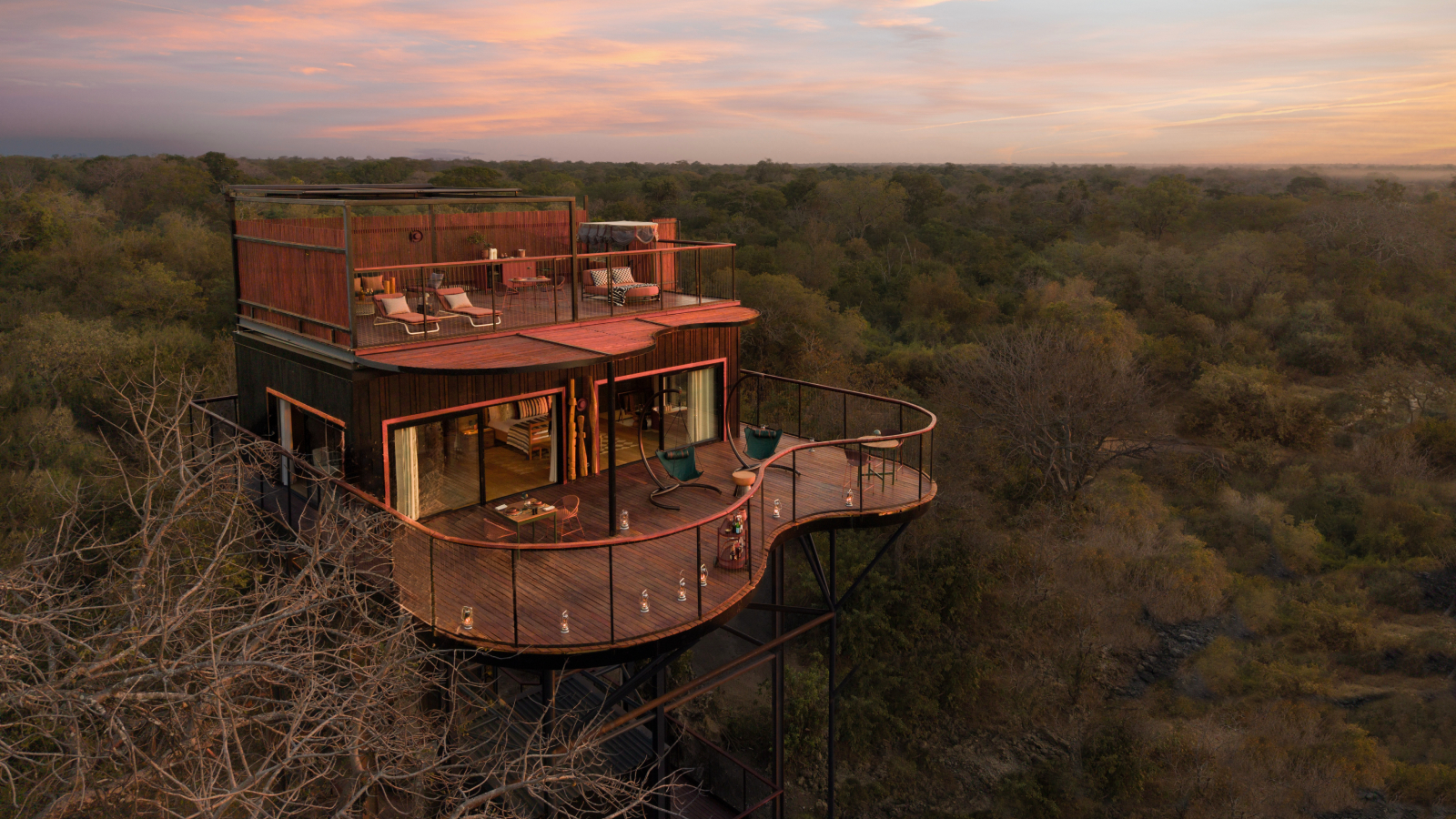 Wild hippos and elephants are your neighbours at this luxury tented camp in Zambia
From floating fitness suites to river safaris, Anantara’s new Kafue River property is designed around its extraordinary natural setting
-
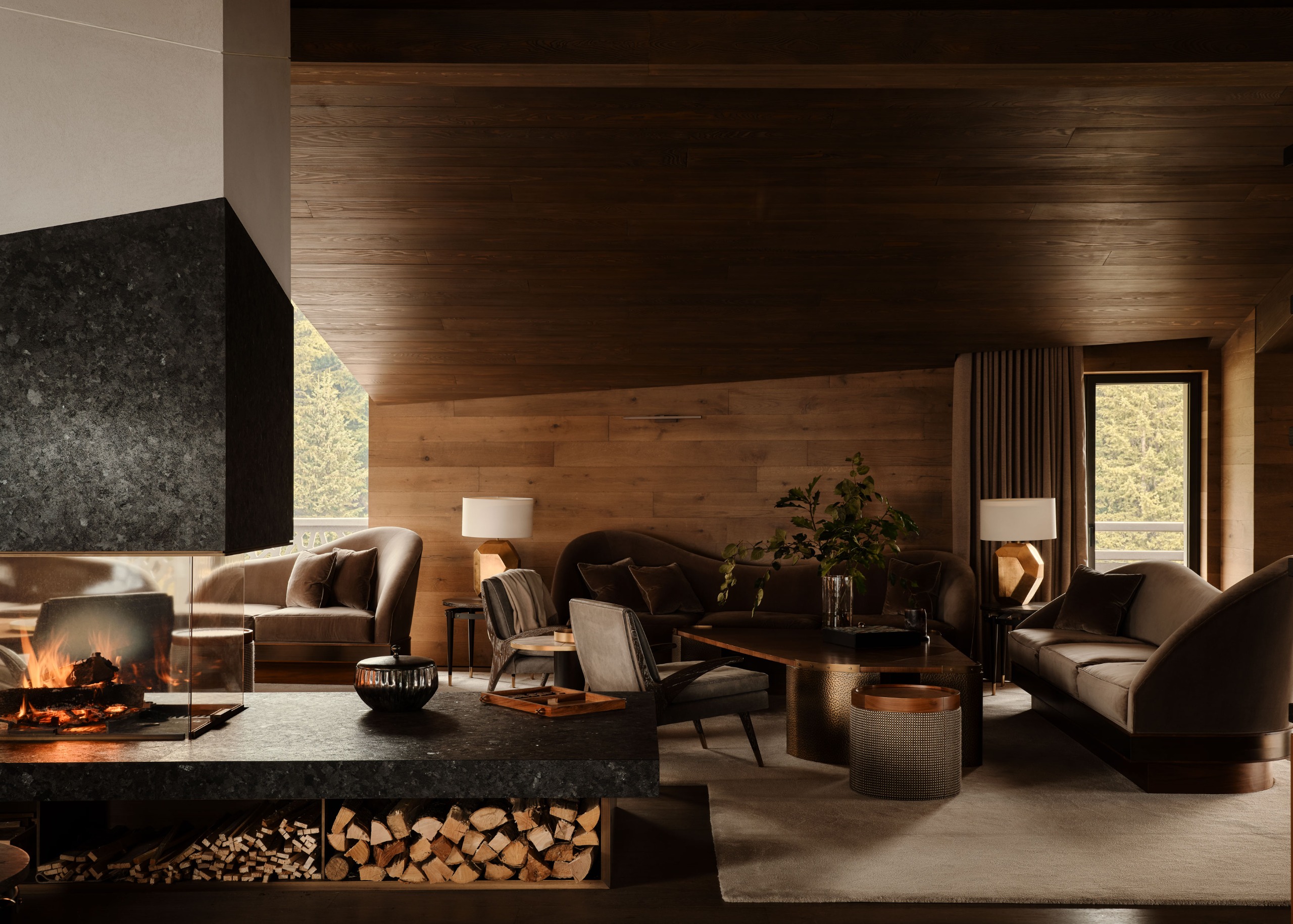 This grand alpine residence designed by Spinocchia Freund has us excited for winter
This sprawling private home is a 30,000 sq ft winter wonderland with ski-in, ski-out access, plus a spa, cinema and bowling alley to boot. Take the tour
-
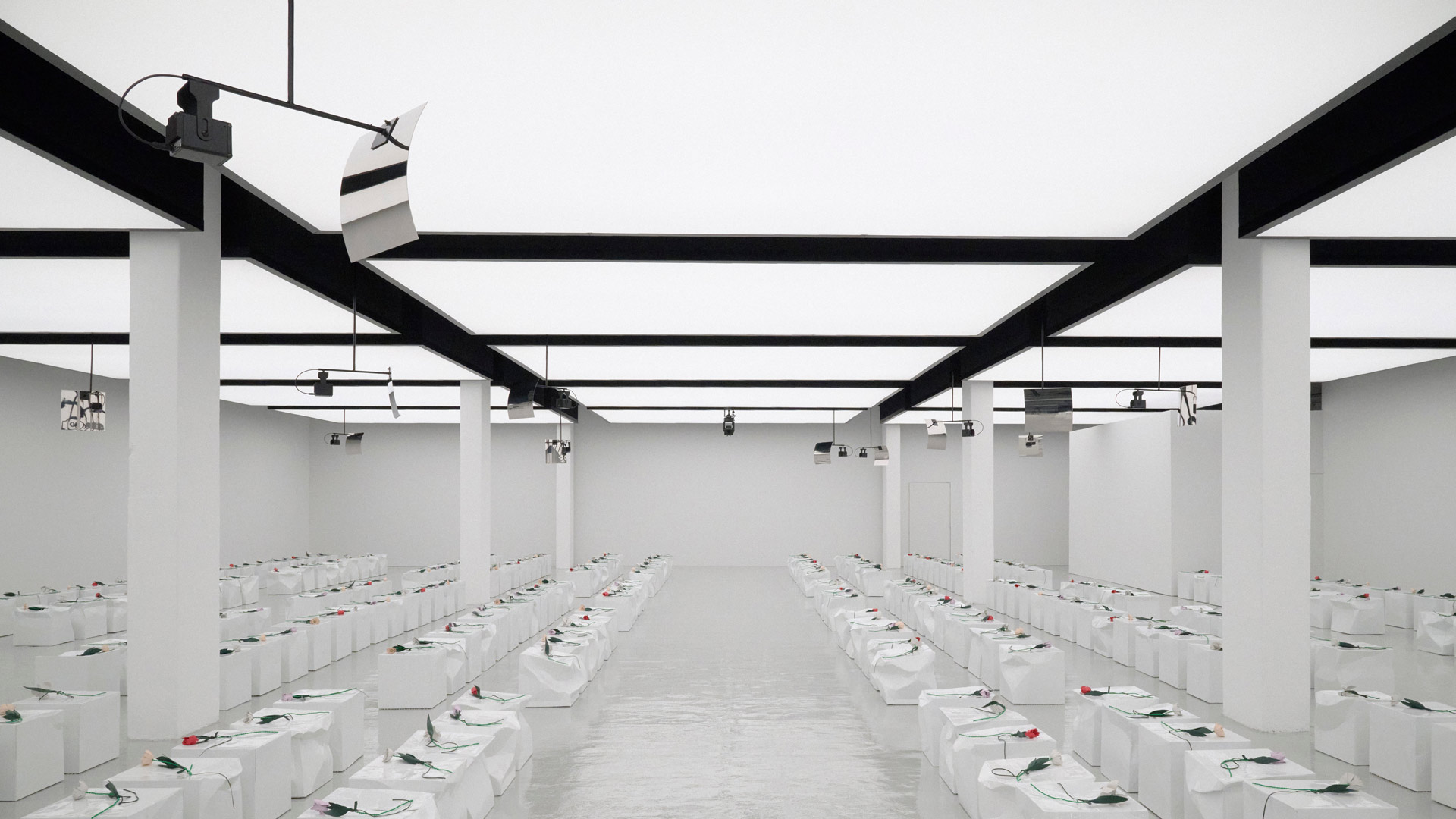 Bottega Veneta taps sound artist Florian Hecker for its S/S 2027 showspace
The German artist’s one-off sonic installation, played across 20 loudspeakers in Milan’s Fabbrica Orobia yesterday evening (26 September 2026), set the scene for Louise Trotter’s latest runway show


